Aid Master
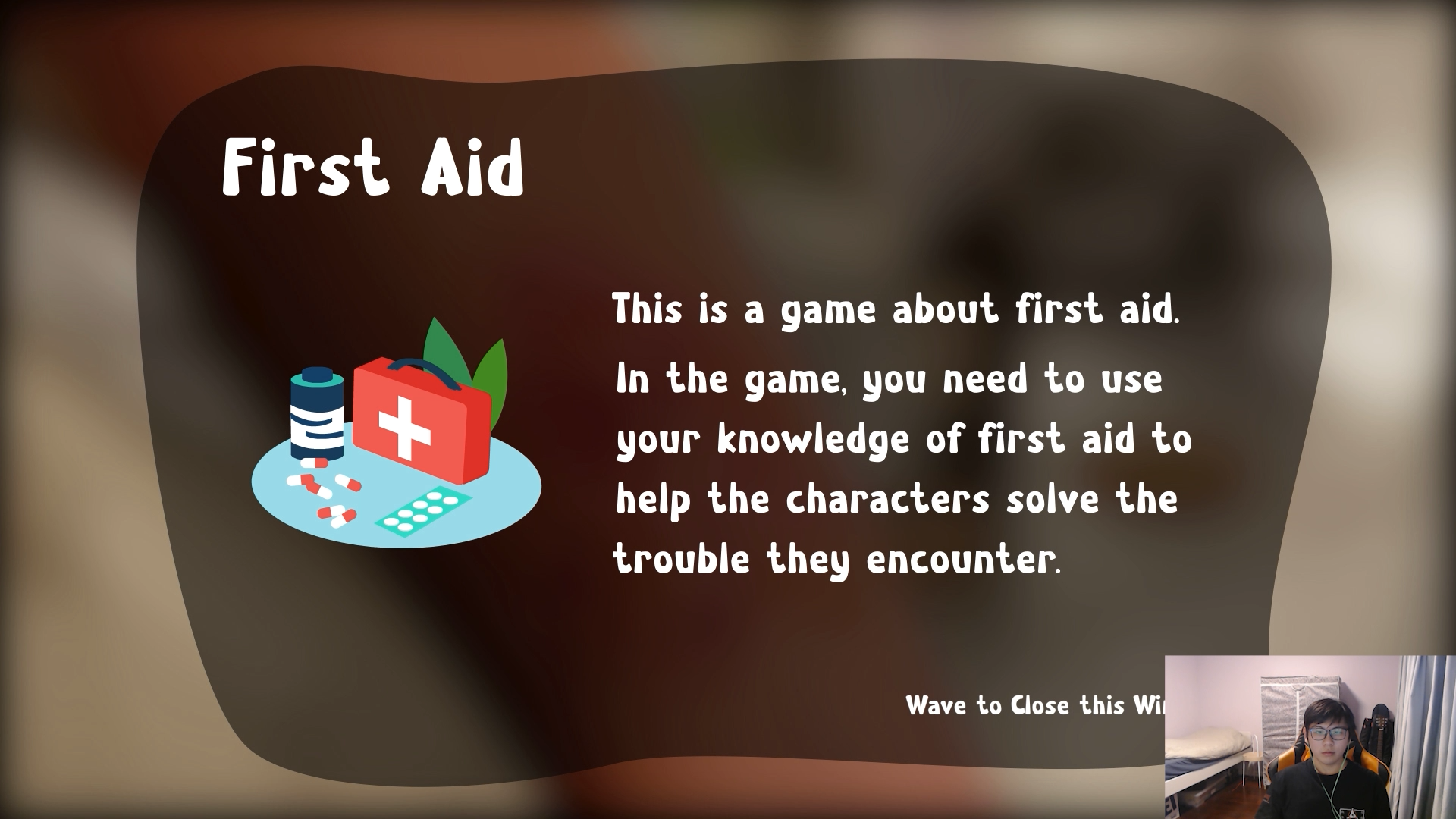
An educational serious game that promotes first-aid knowledge through live-action storytelling and Kinect motion sensing, letting players practice real first-aid procedures.
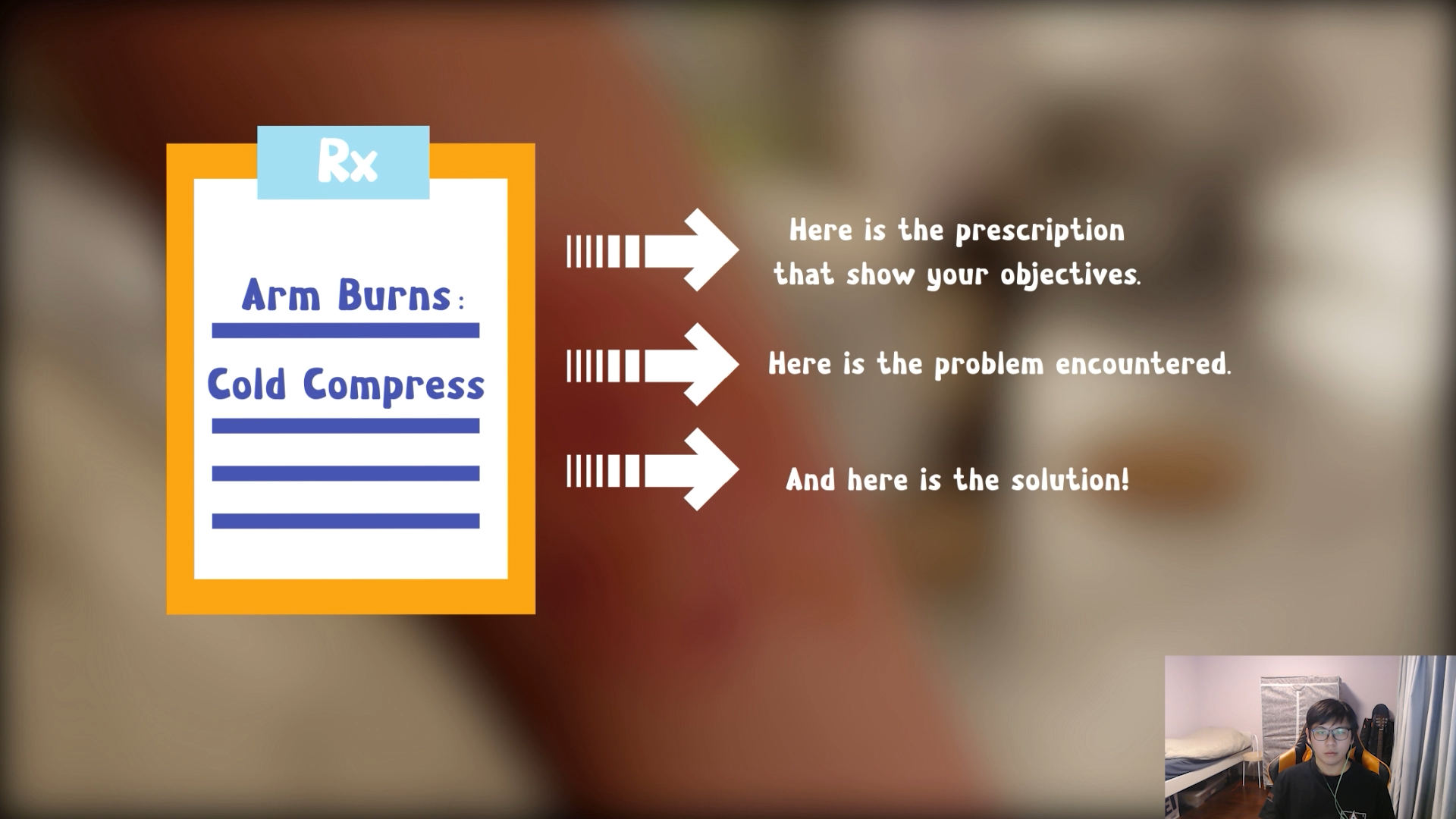
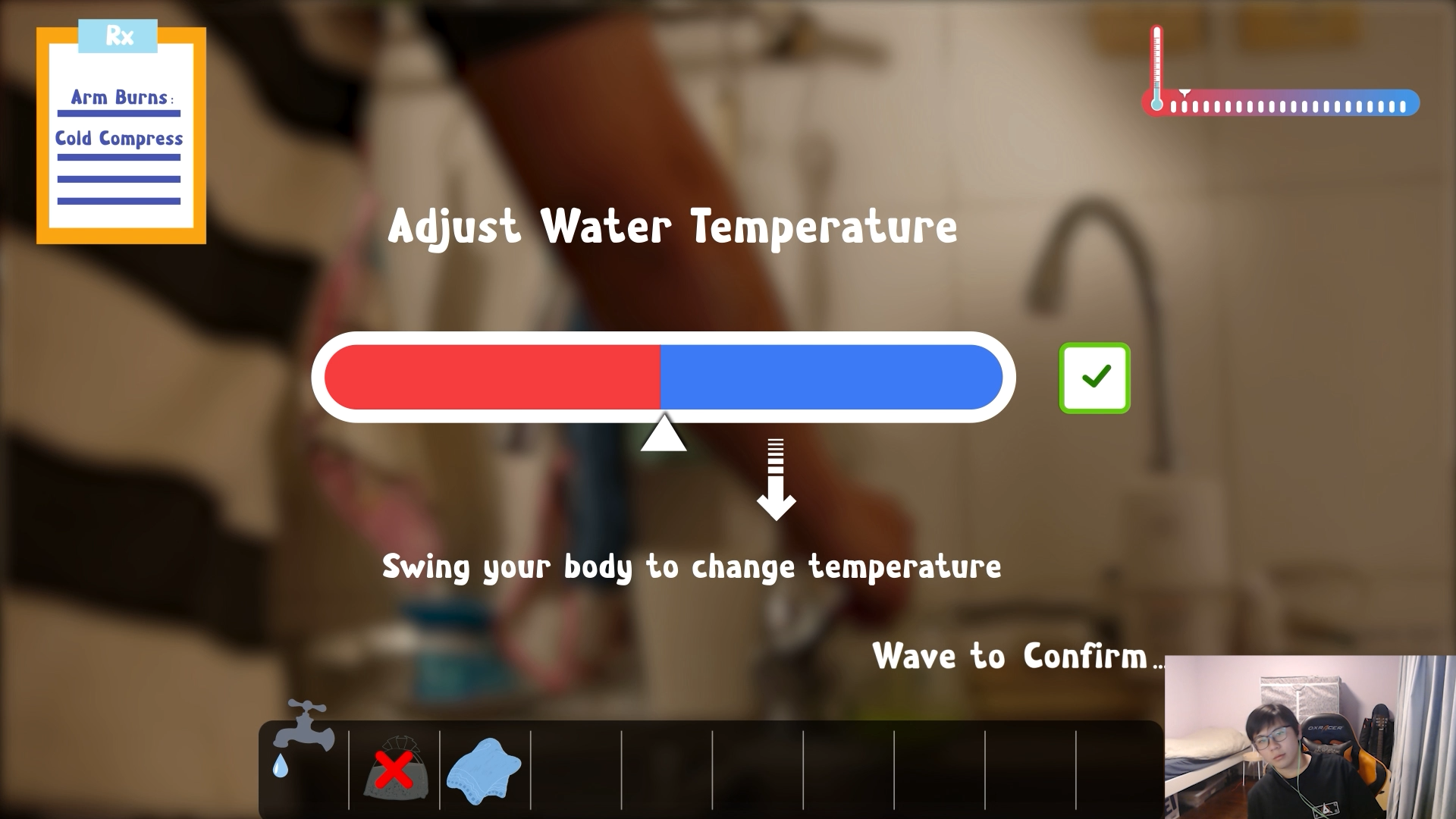
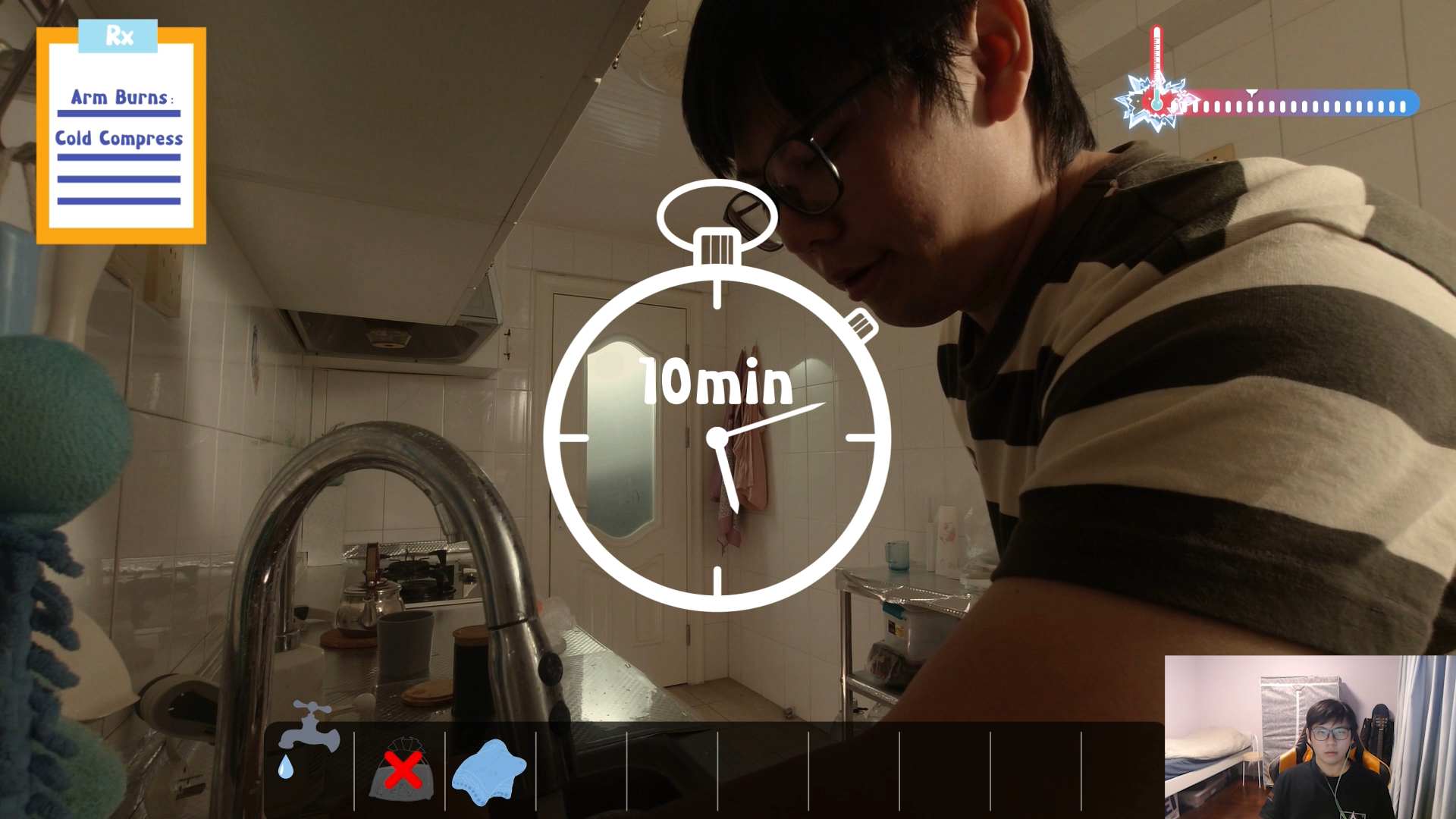
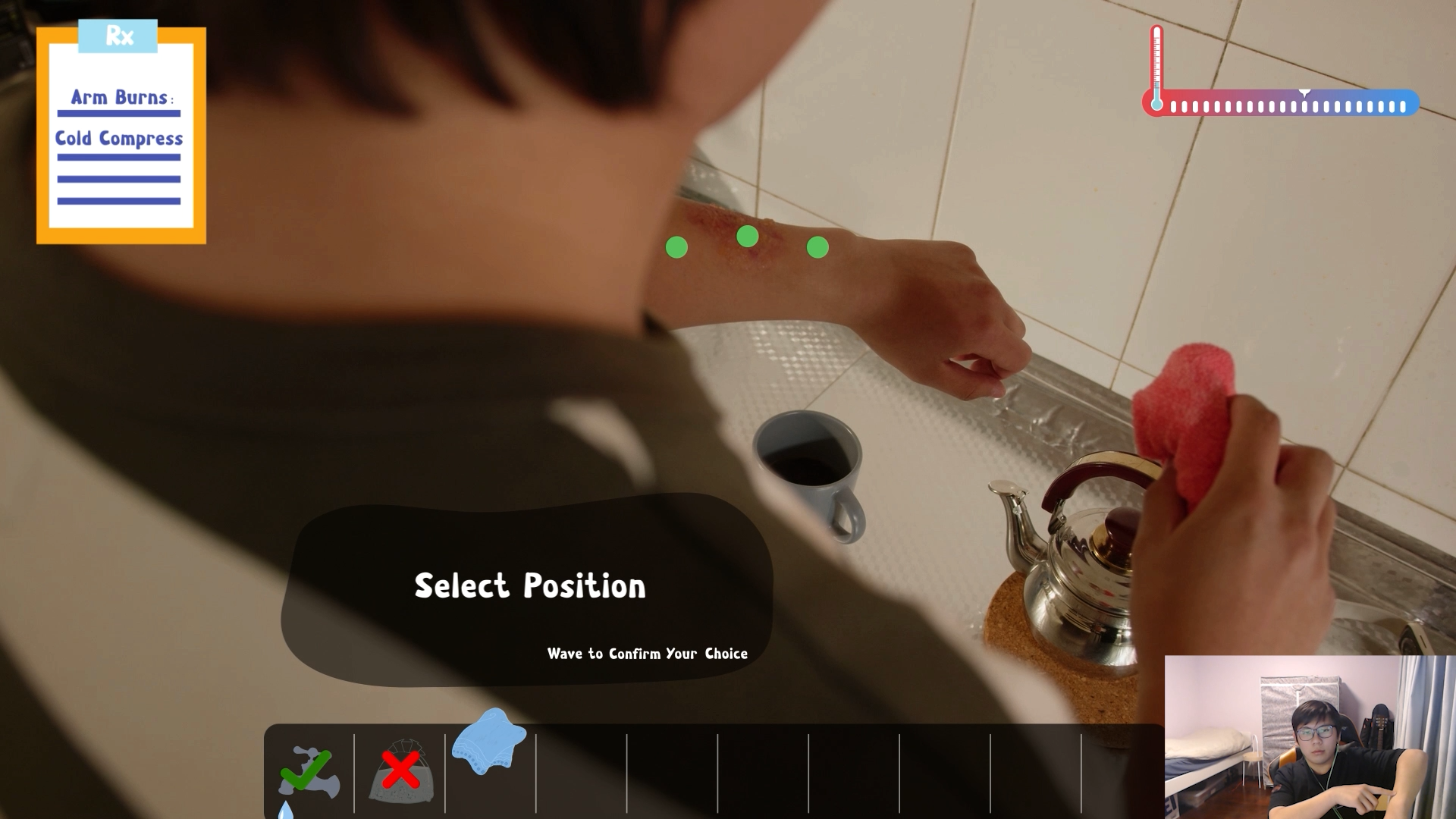
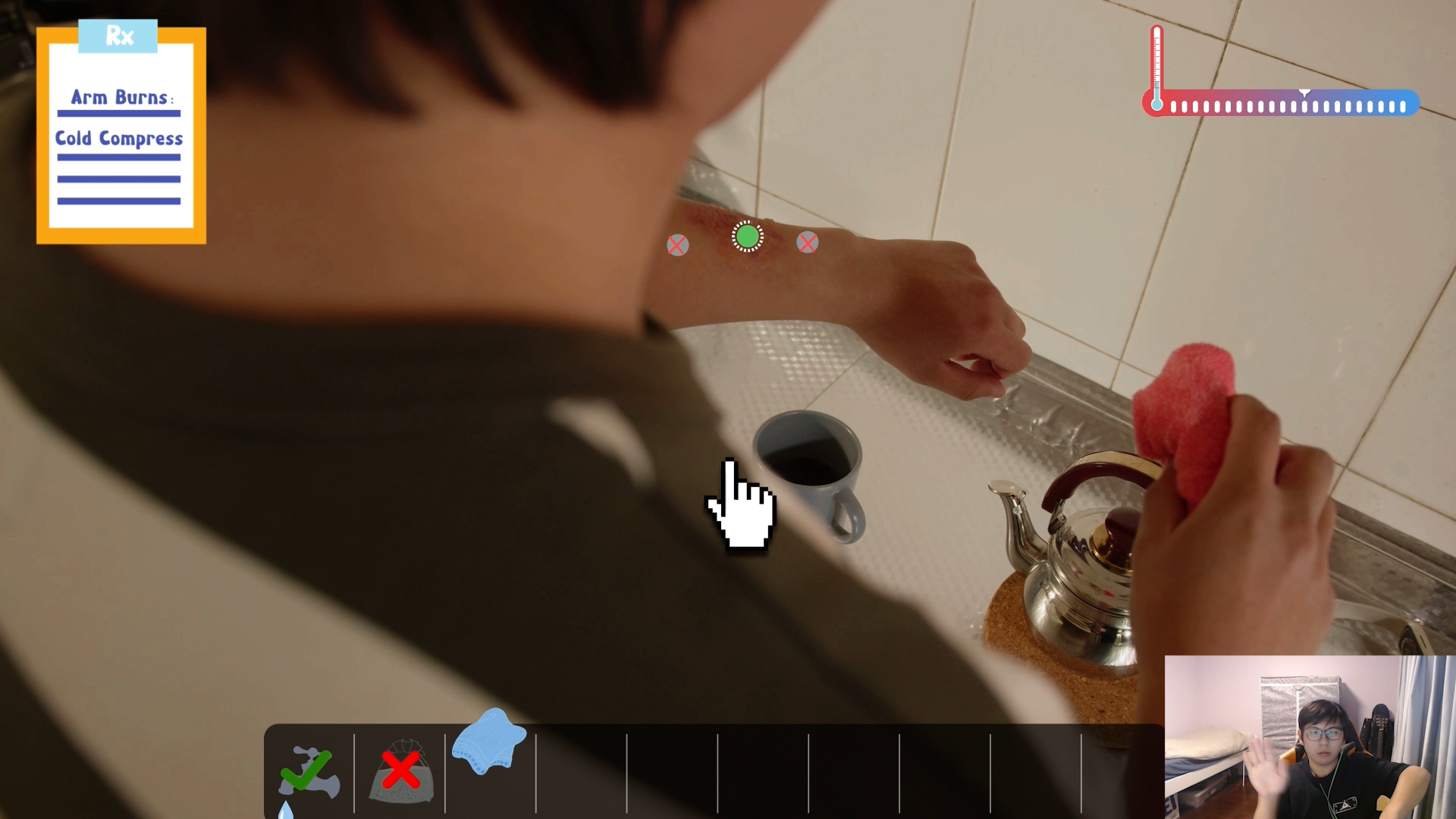
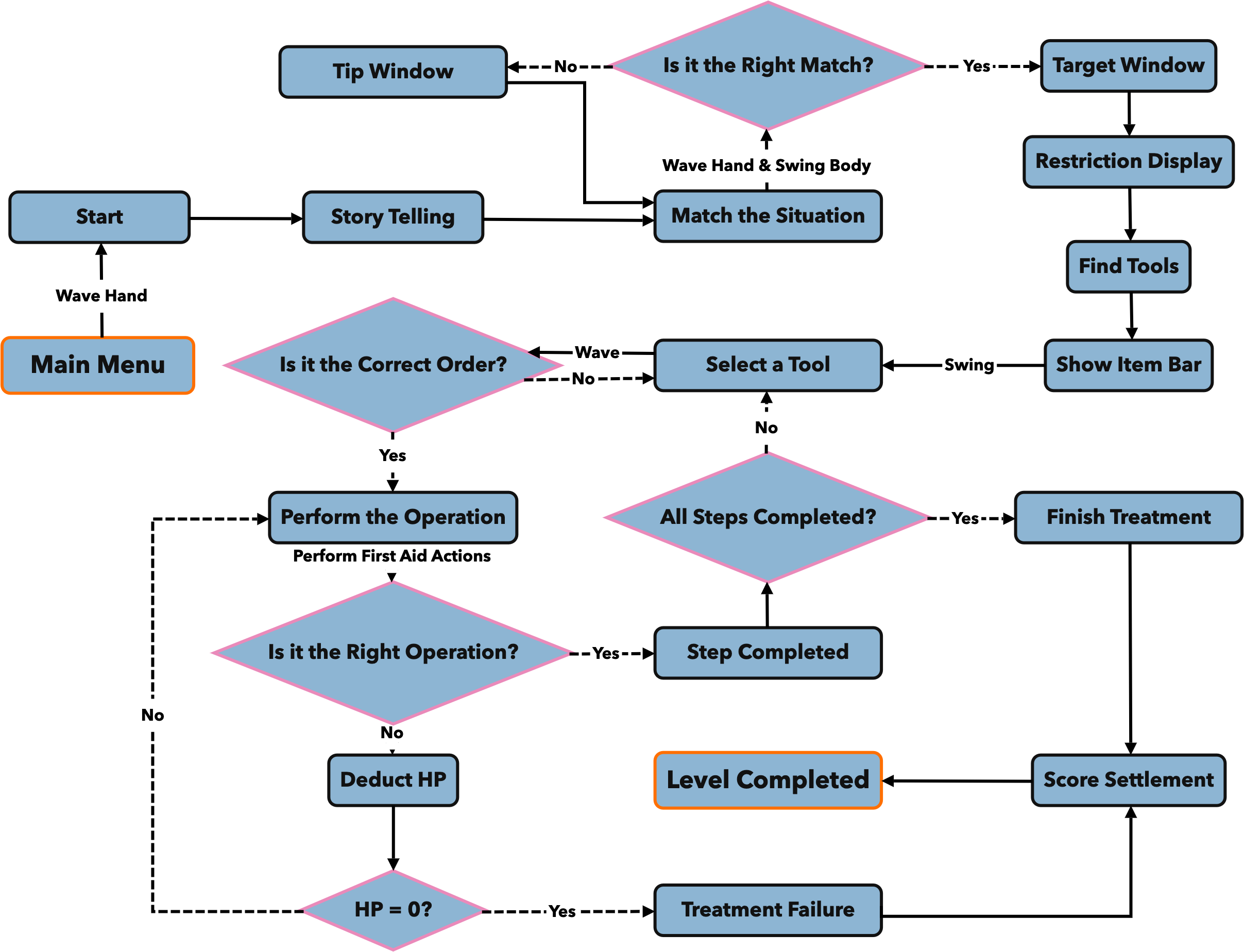
To restore the process of first aid in real life as much as possible, each level's design adheres to the process of Story Telling, Matches the Situation, Show Tools, Restriction Display, Conducting Treatment, and Finish Treatment & Score Settlement.
- ROLE
- Personal Project
- TEAM SIZE
- 1 (Solo)
- ENGINE
- Unity · PC
- DURATION
- 3 months
What I Learned From This Project?
Main Contributions
-
Serious Educational Game Design: Explored the utility of the game by publicizing first aid knowledge and techniques.
-
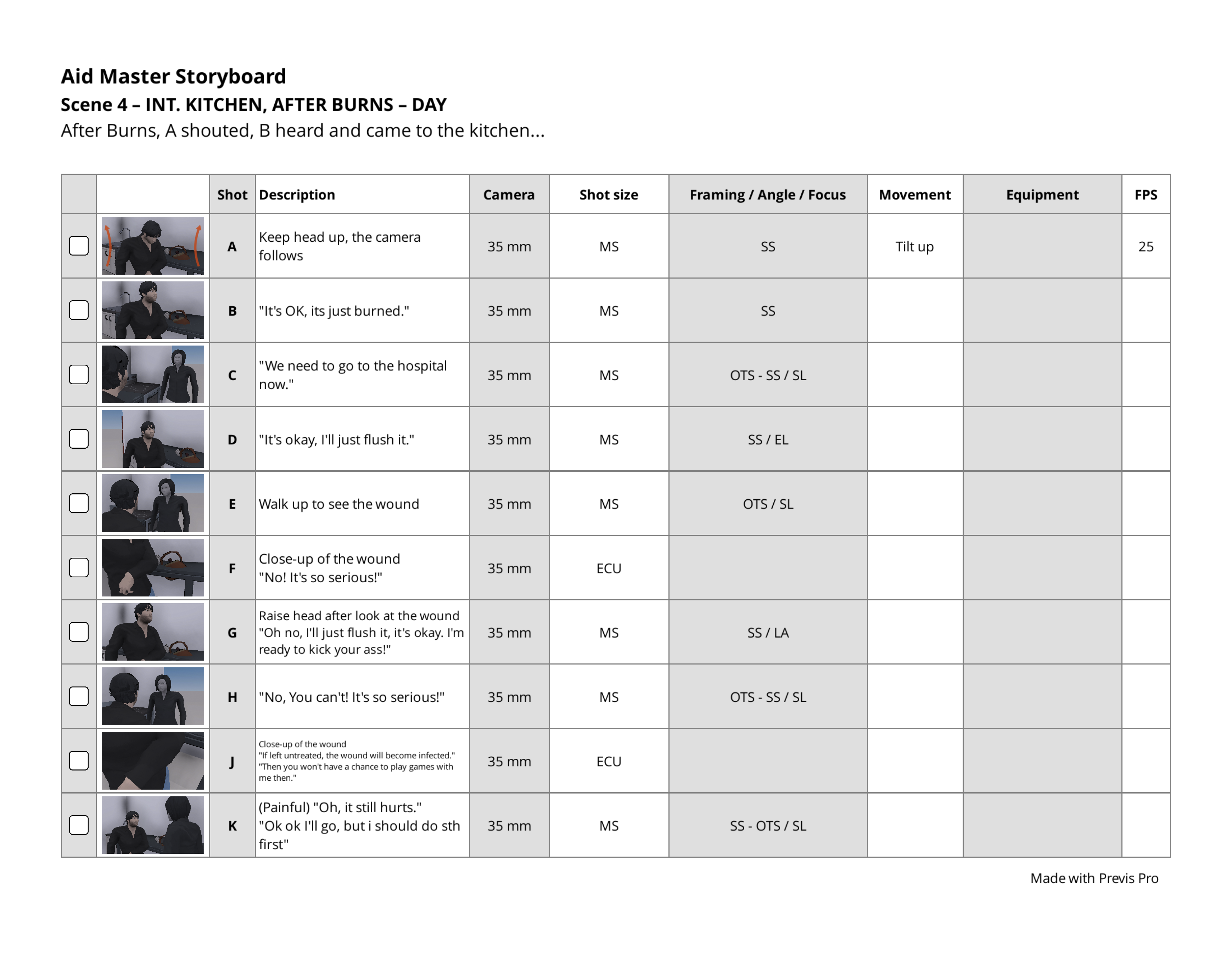
Film Production: Led the creation of live-action shooting scripts and storyboards, and directed the entire process of editing and animation production.
-
New Input Method Research: Implemented motion sensing capabilities for players utilizing Kinect technology.
Key Features
Inspiration & Research
Inspiration
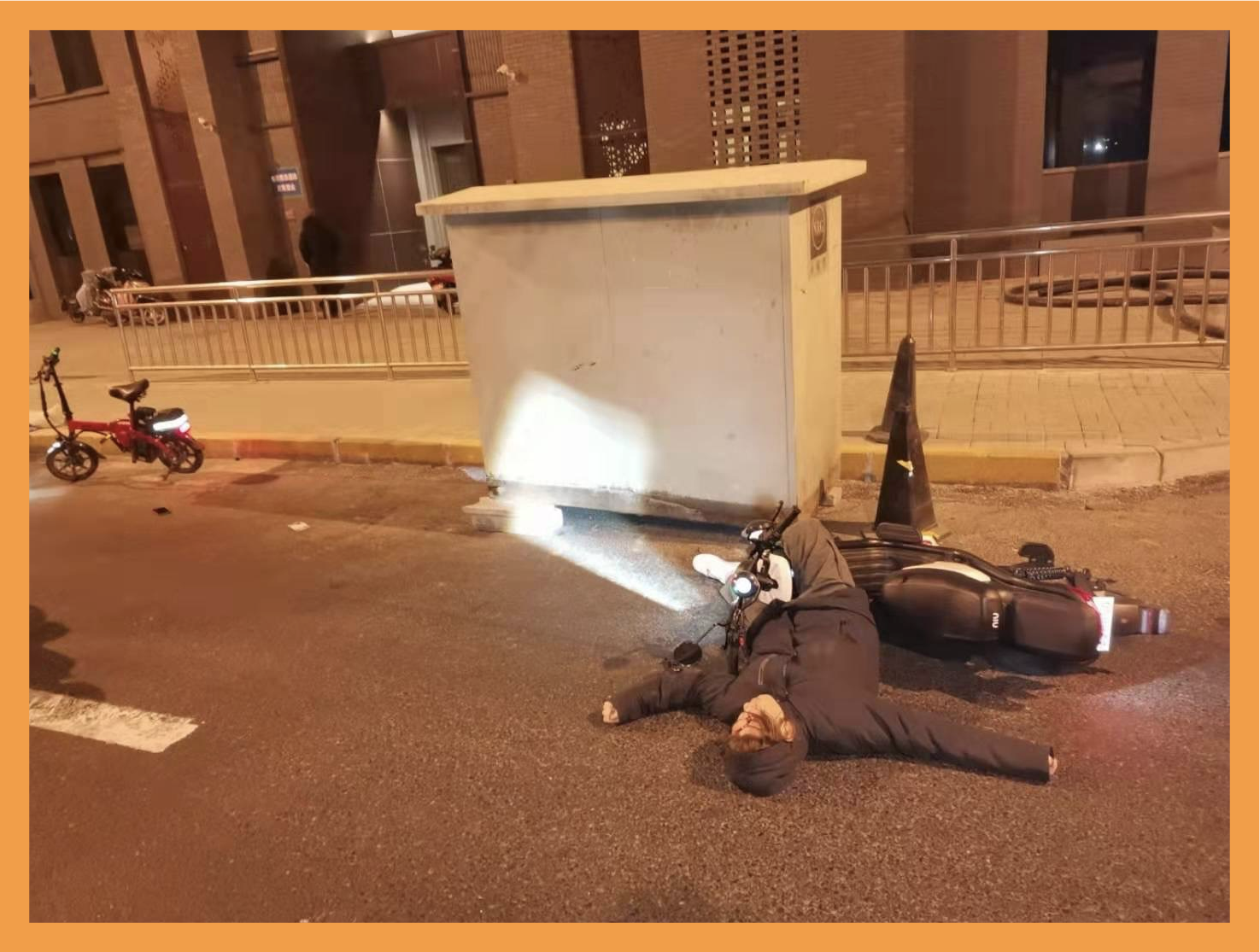
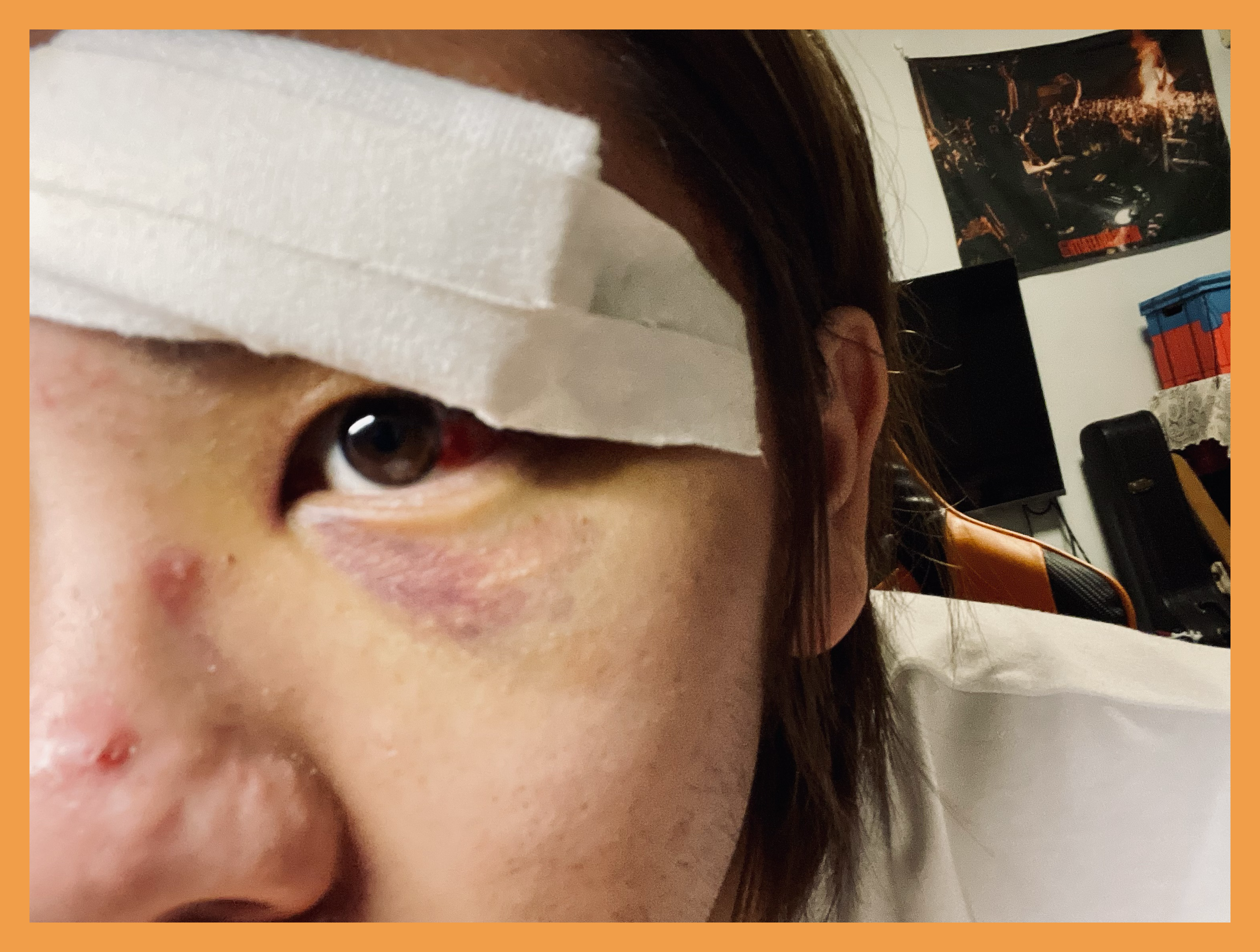
The game was inspired by an incident in which I received first aid. I was riding my bike one night when I accidentally hit an obstacle, fracturing my orbital bone and causing me to lose consciousness. That experience made me deeply aware of the importance of first aid knowledge.
Research
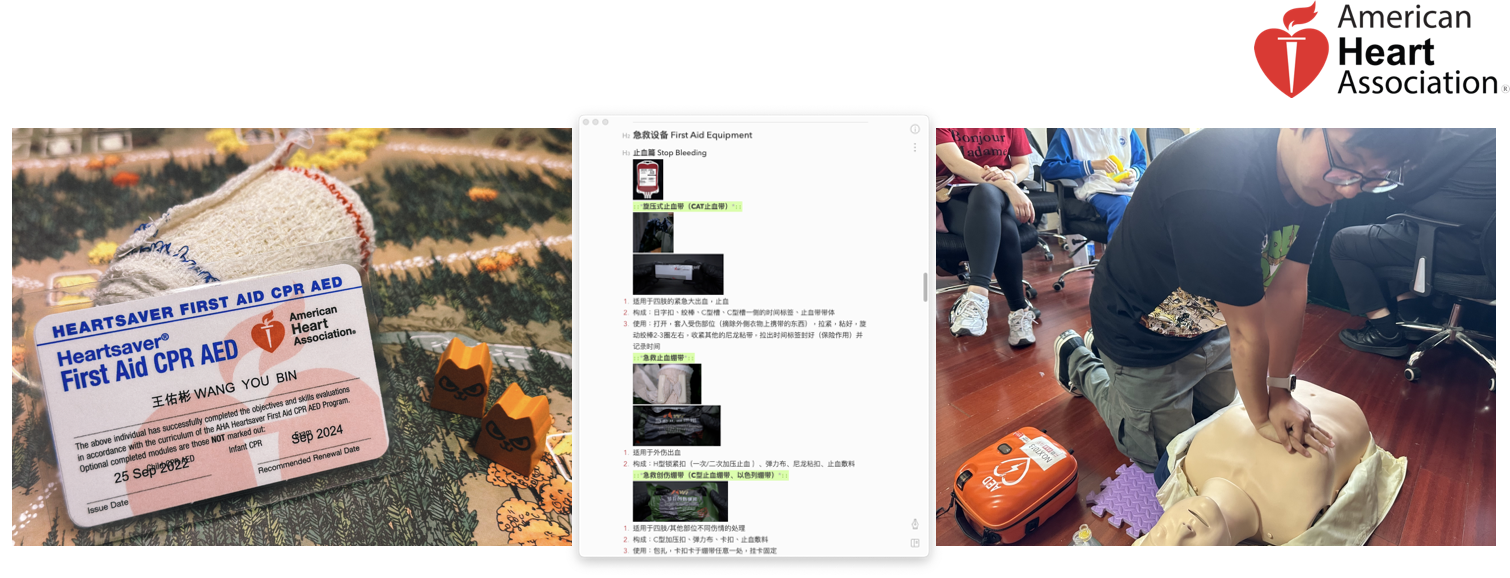
After deciding on the topic, I attended the American Heart Association’s (AHA) first aid training and systematically learned about first aid and how to perform it.
1. Problem of Current First Aid Games
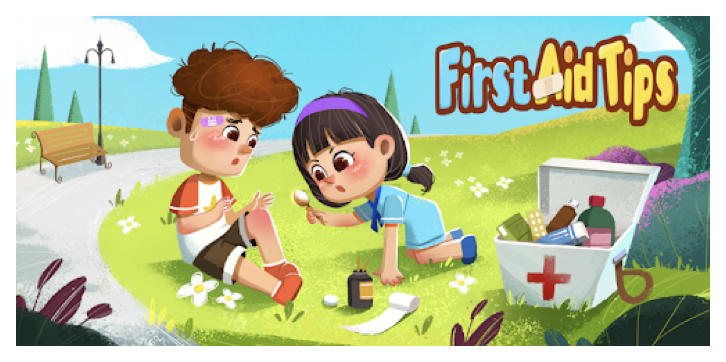
The biggest issue with existing first-aid games is the lack of interaction. Many games use the mouse and keyboard for control, which is contrary to reality.
2. Advantages of Game Media
The game takes advantage of the ease of operation, interactivity, low cost, and ability to highly recreate situations to allow players to make their own judgments and treatments, addressing the problems of traditional first aid education.
3. The Importance of First Aid
During the survey, I discovered that the general public is unaware of first aid, and courses are not widely available in schools. When an accident occurs and professional medical personnel do not arrive in time, the injured person’s life may be at risk.
Gameplay
Motion Sensing
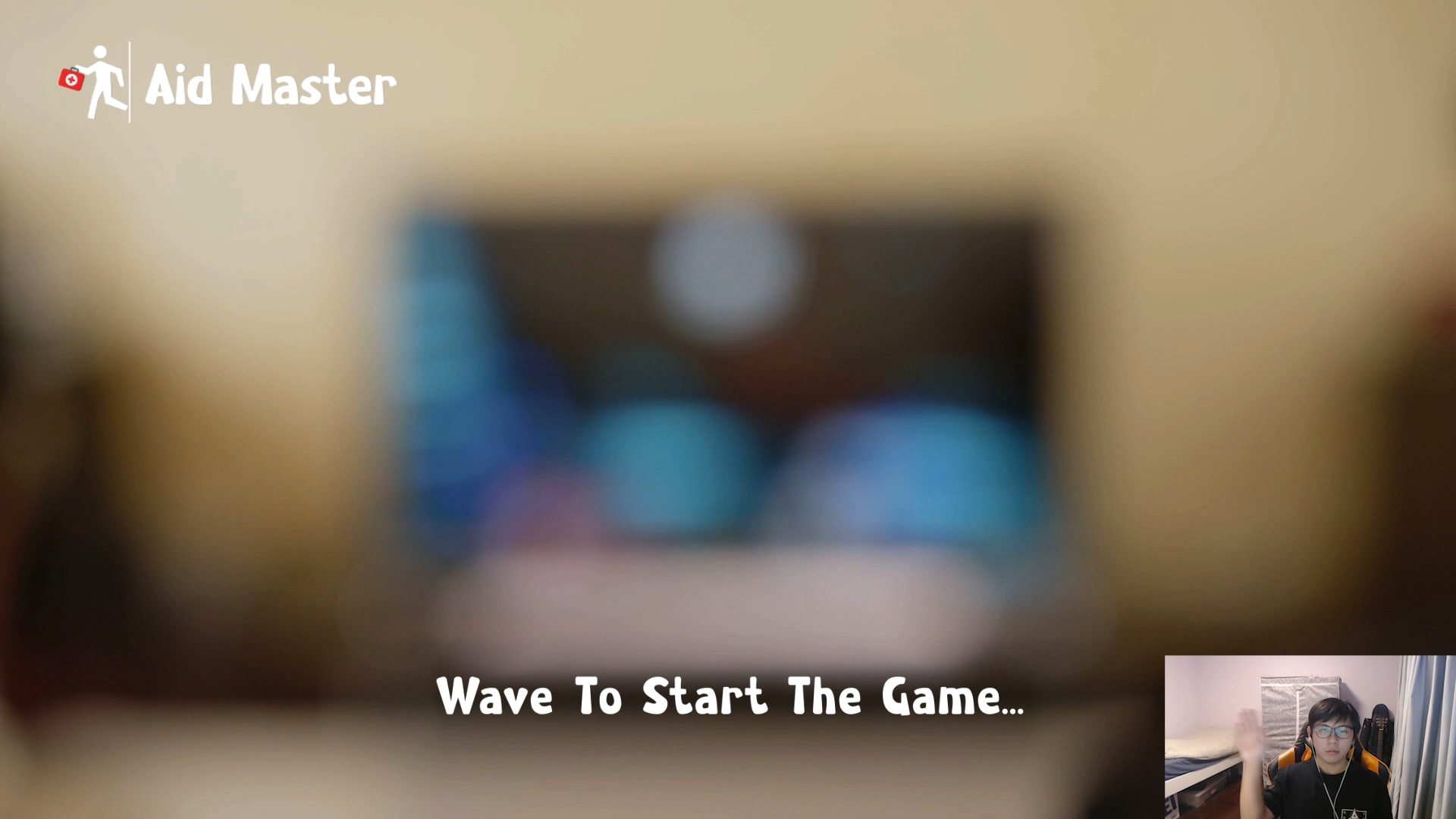
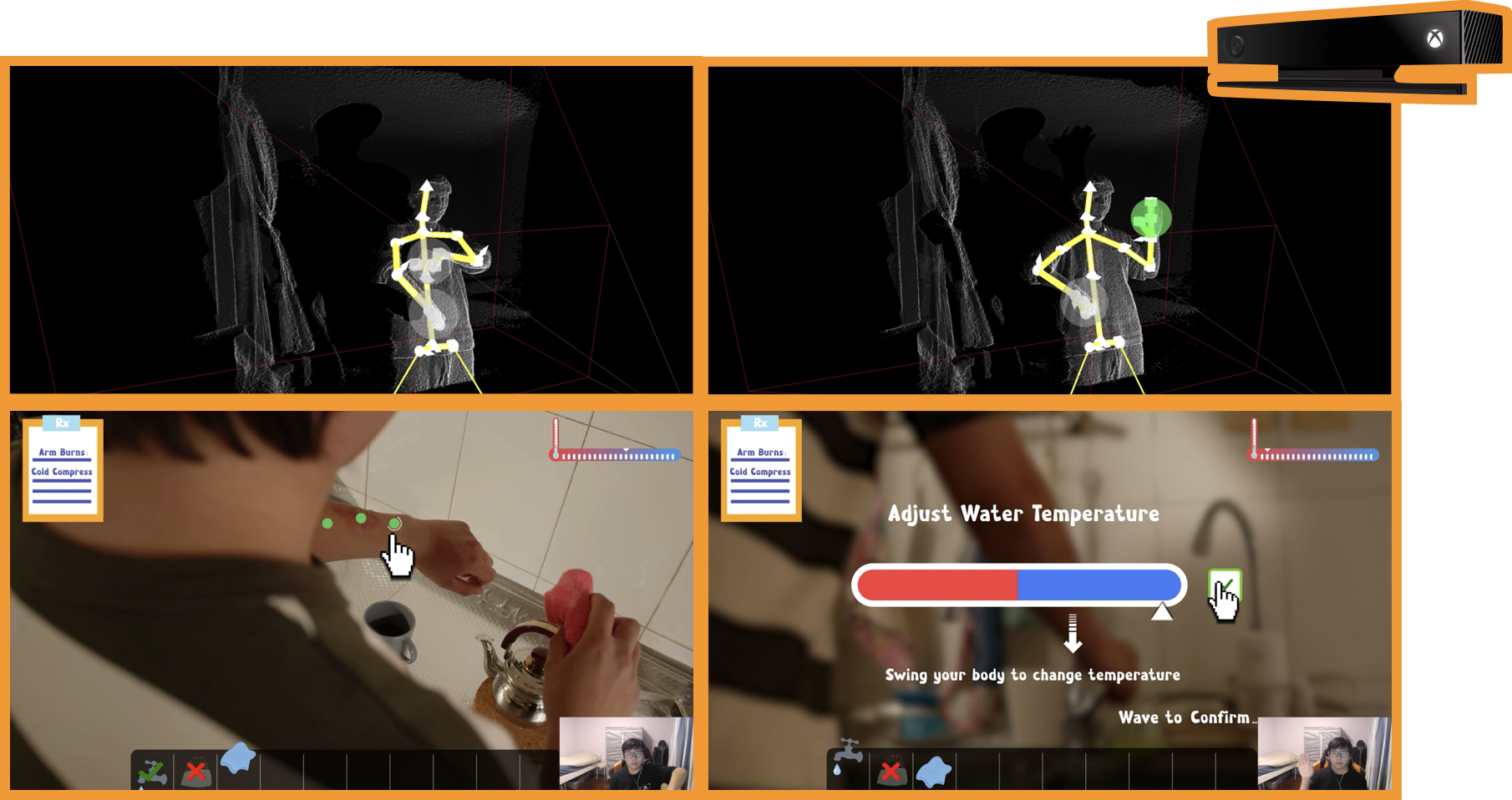
Game’s interactions are based on Kinect’s motion sensing. The game compares the player’s actions with a library of pre-made actions to determine the standard level of the actions.


Level & Storytelling
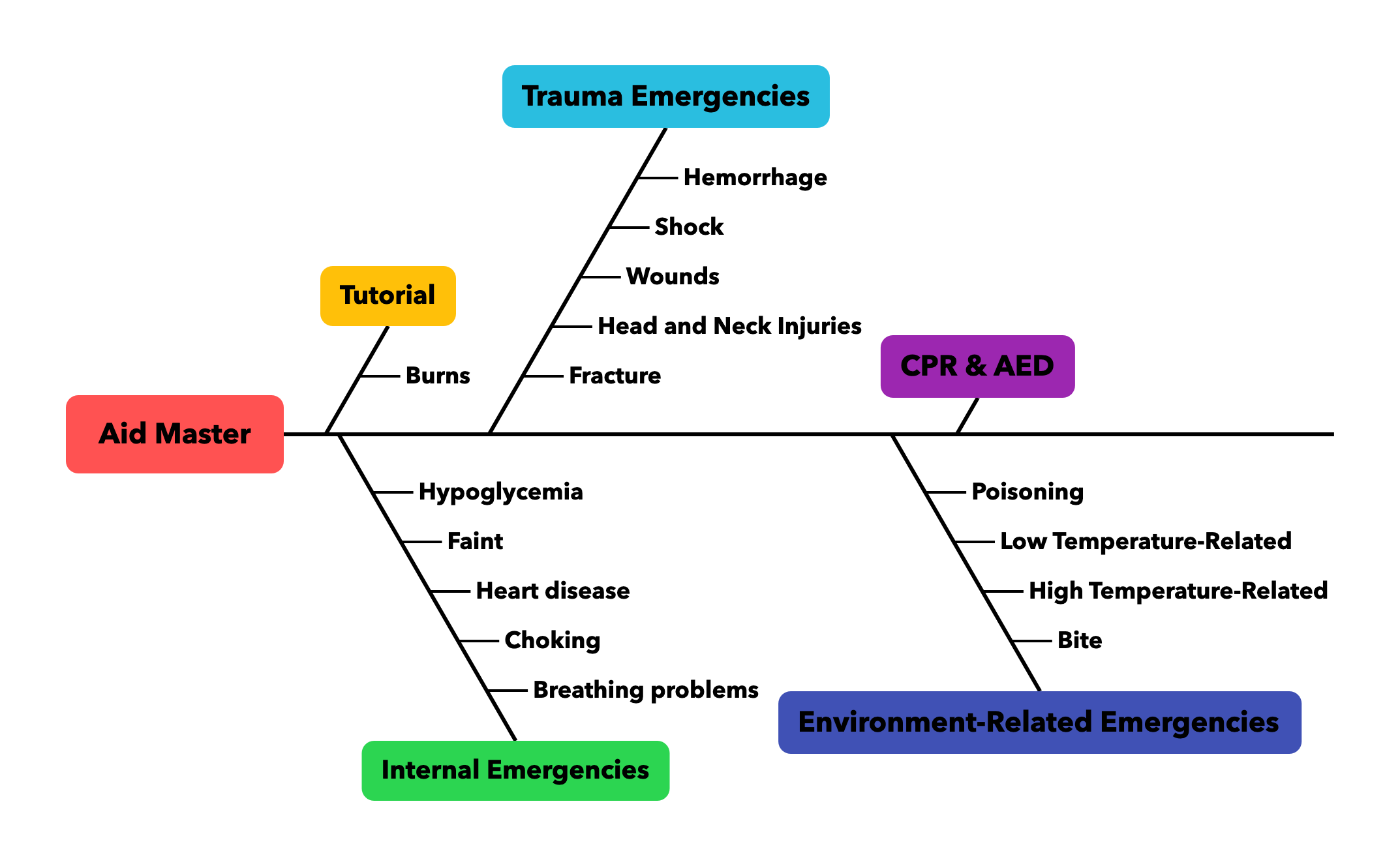
The levels of the game are classified according to the situations encountered and are divided into four categories.
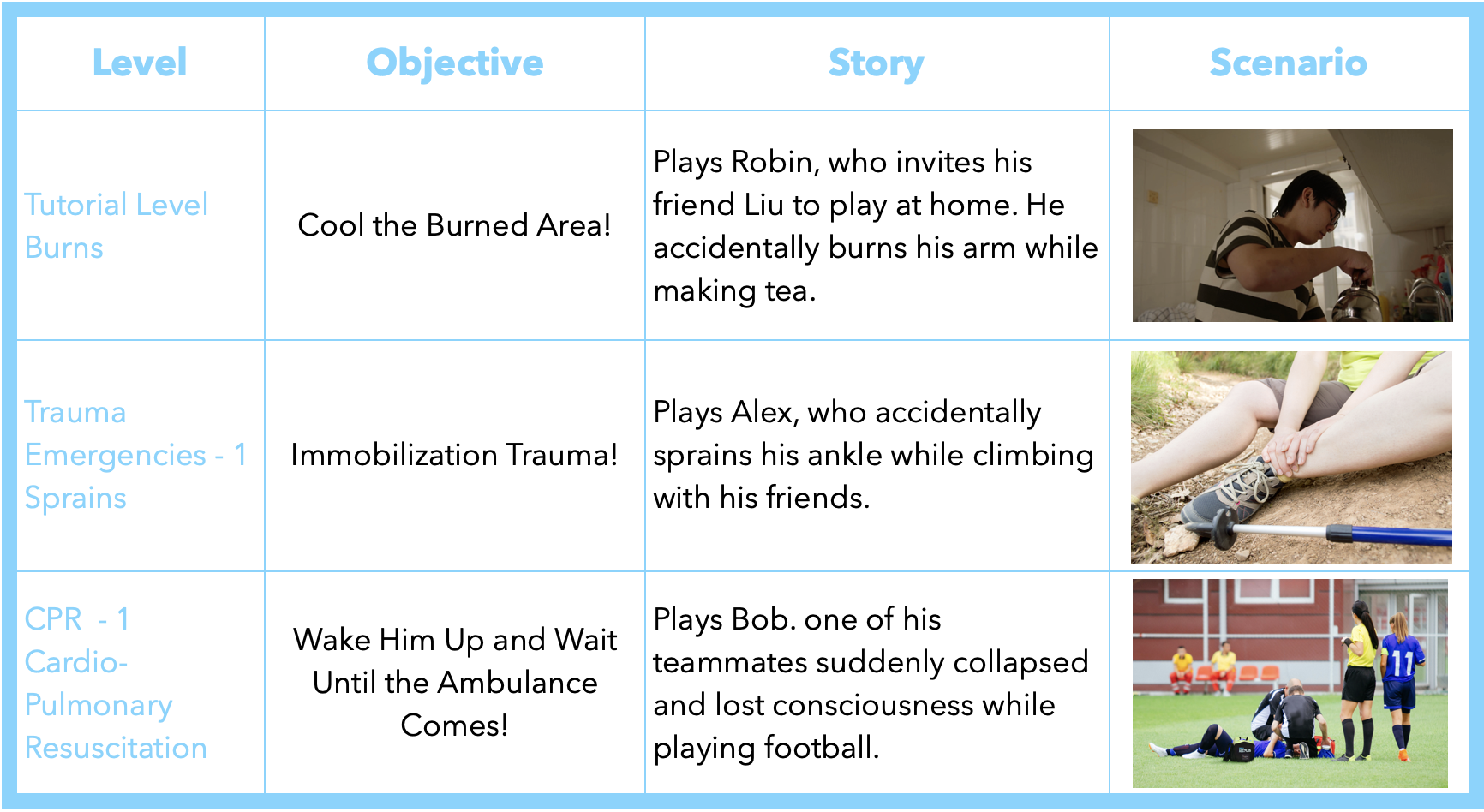
Game Process
The game aims to let players experience the process of Encountering a Problem → Determining the Problem → Identifying the Tool → Thinking about the Solution → Trying to Solve it → Complete.
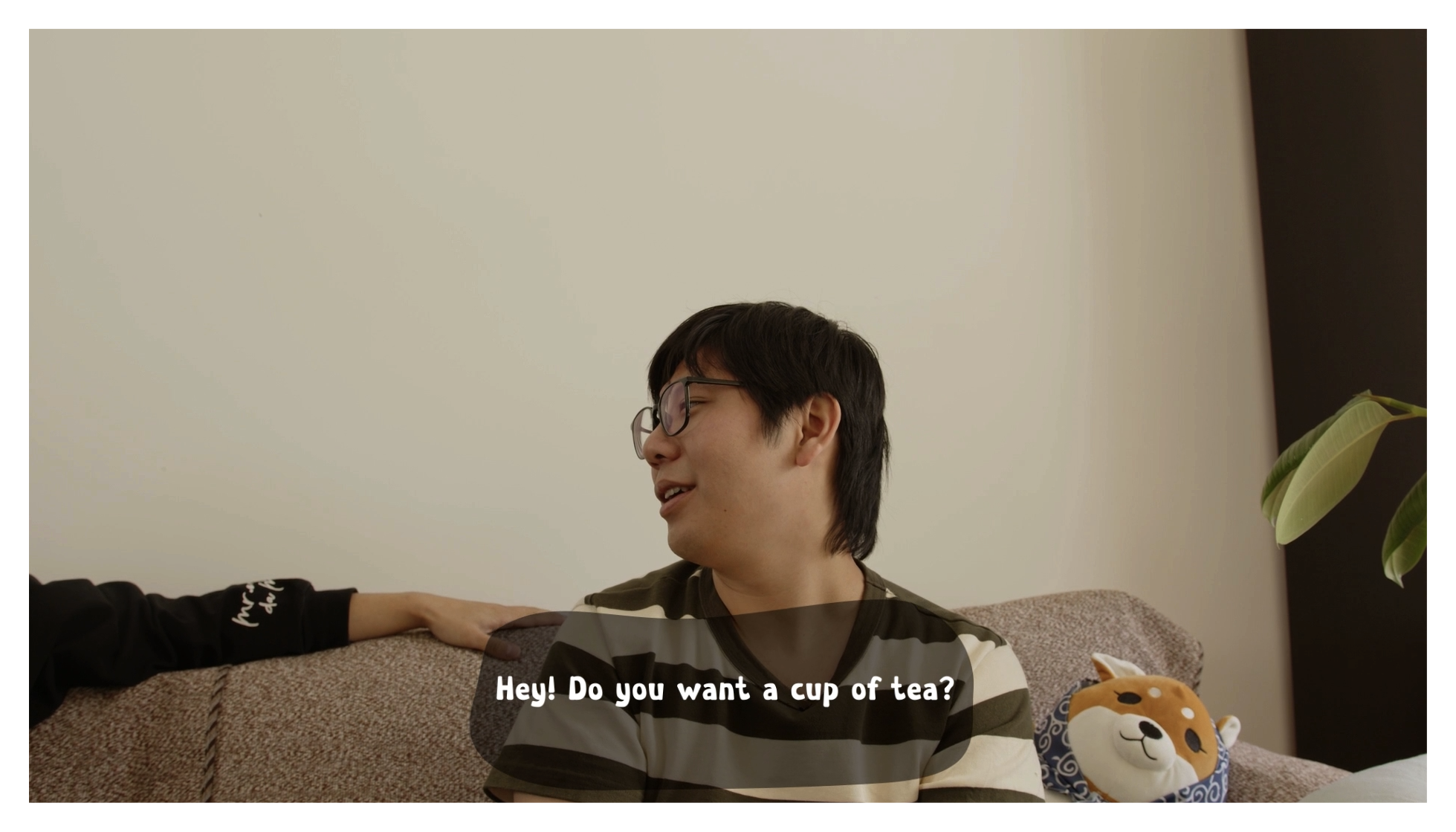
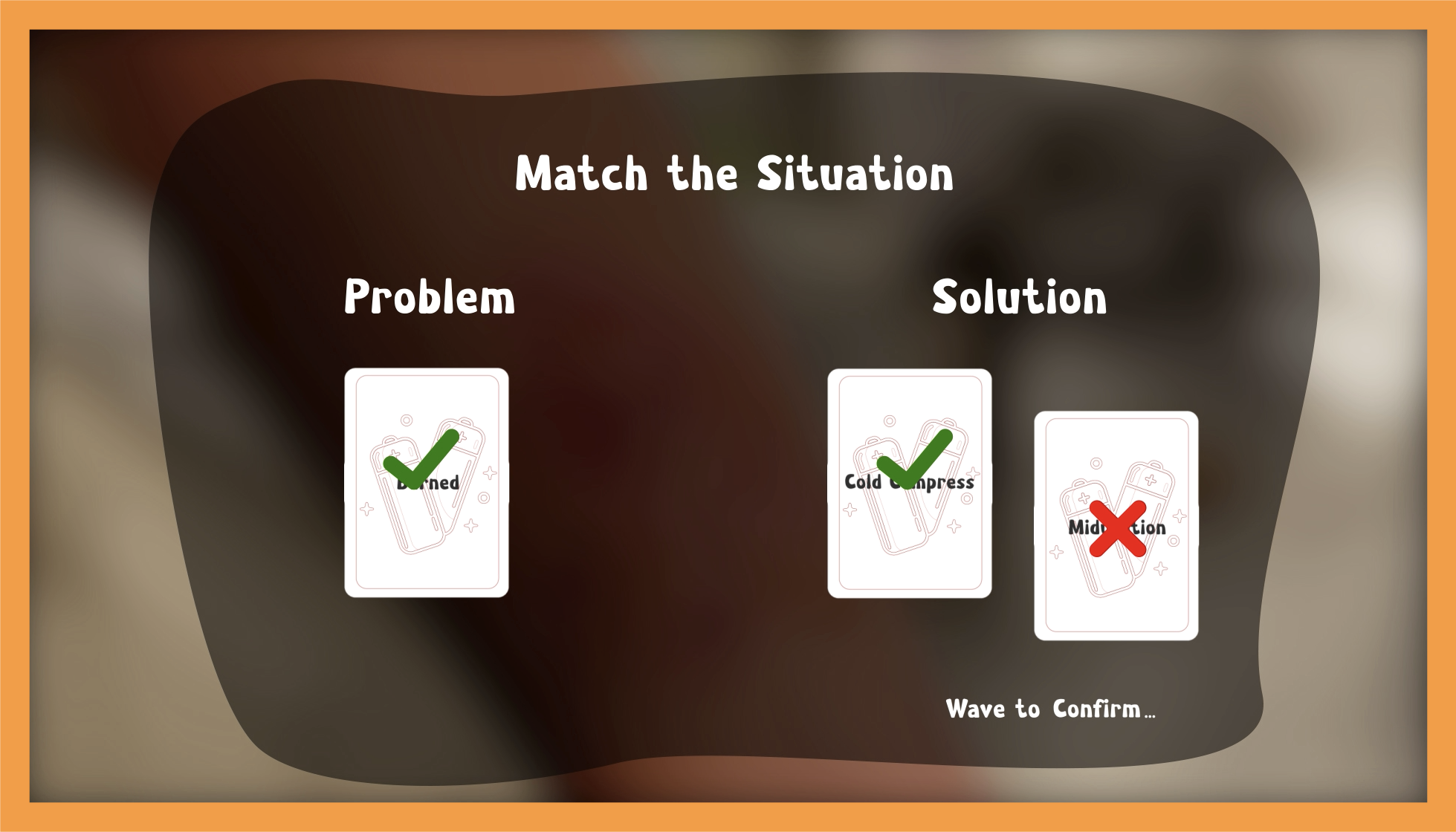
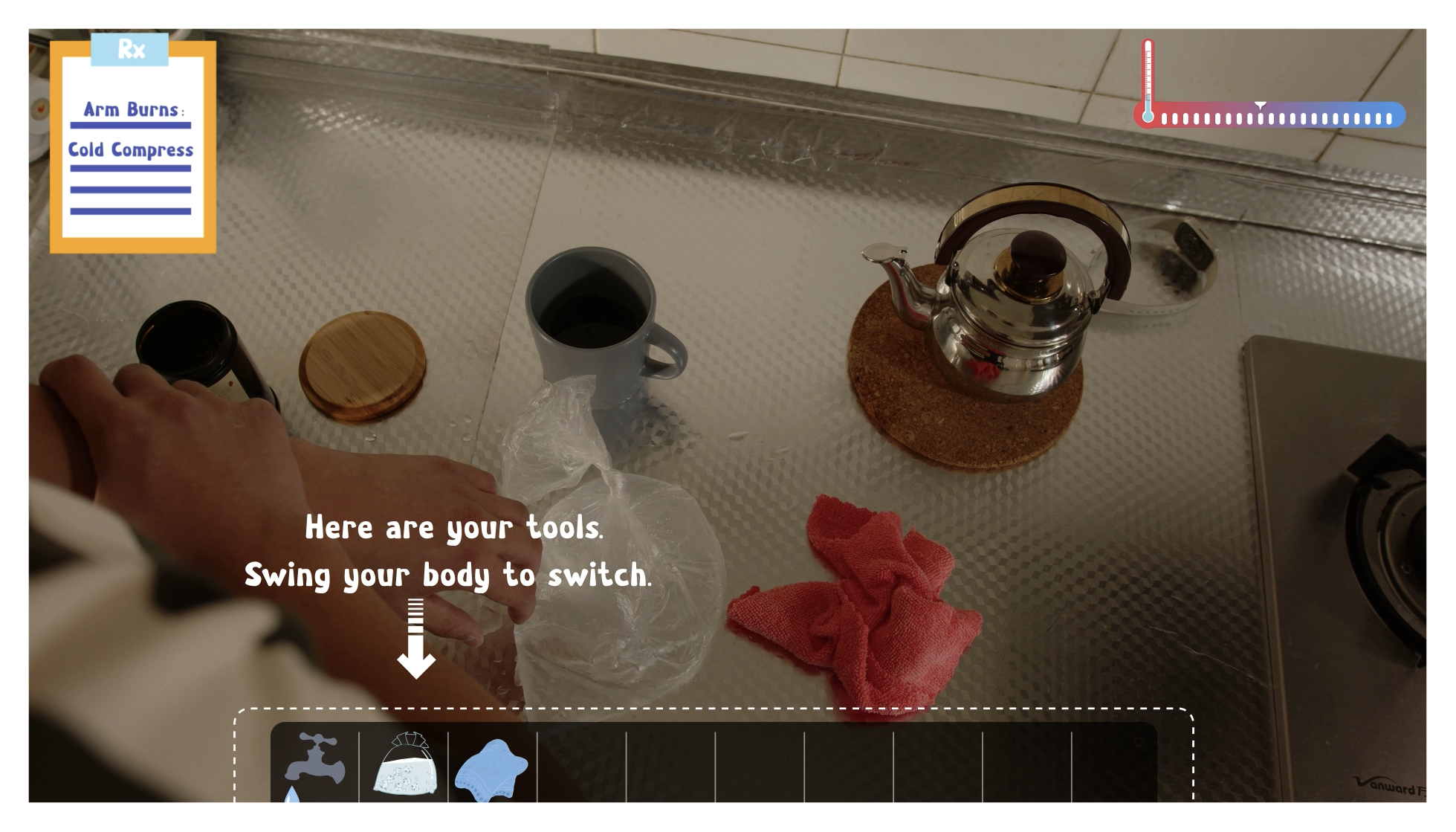
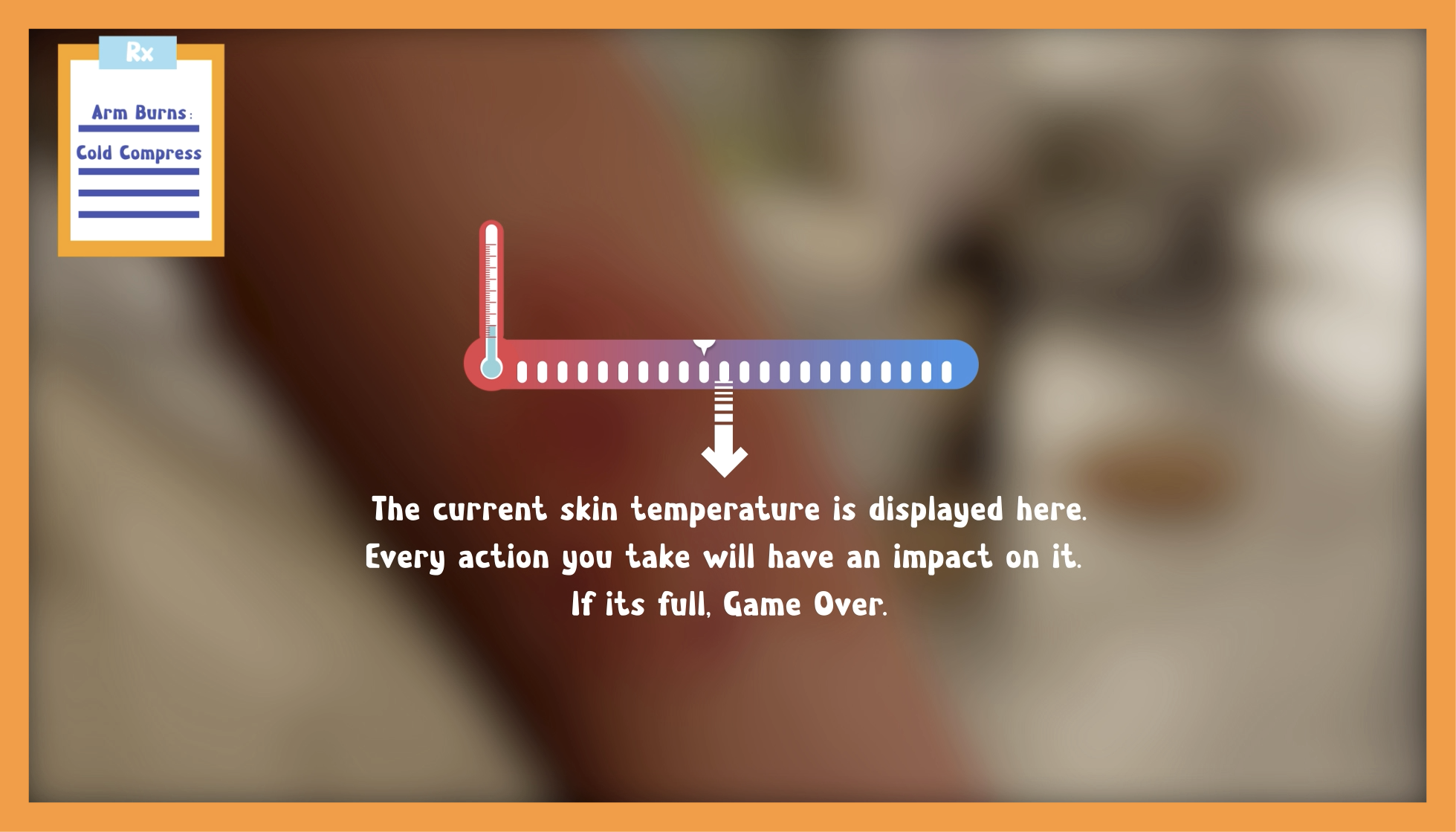
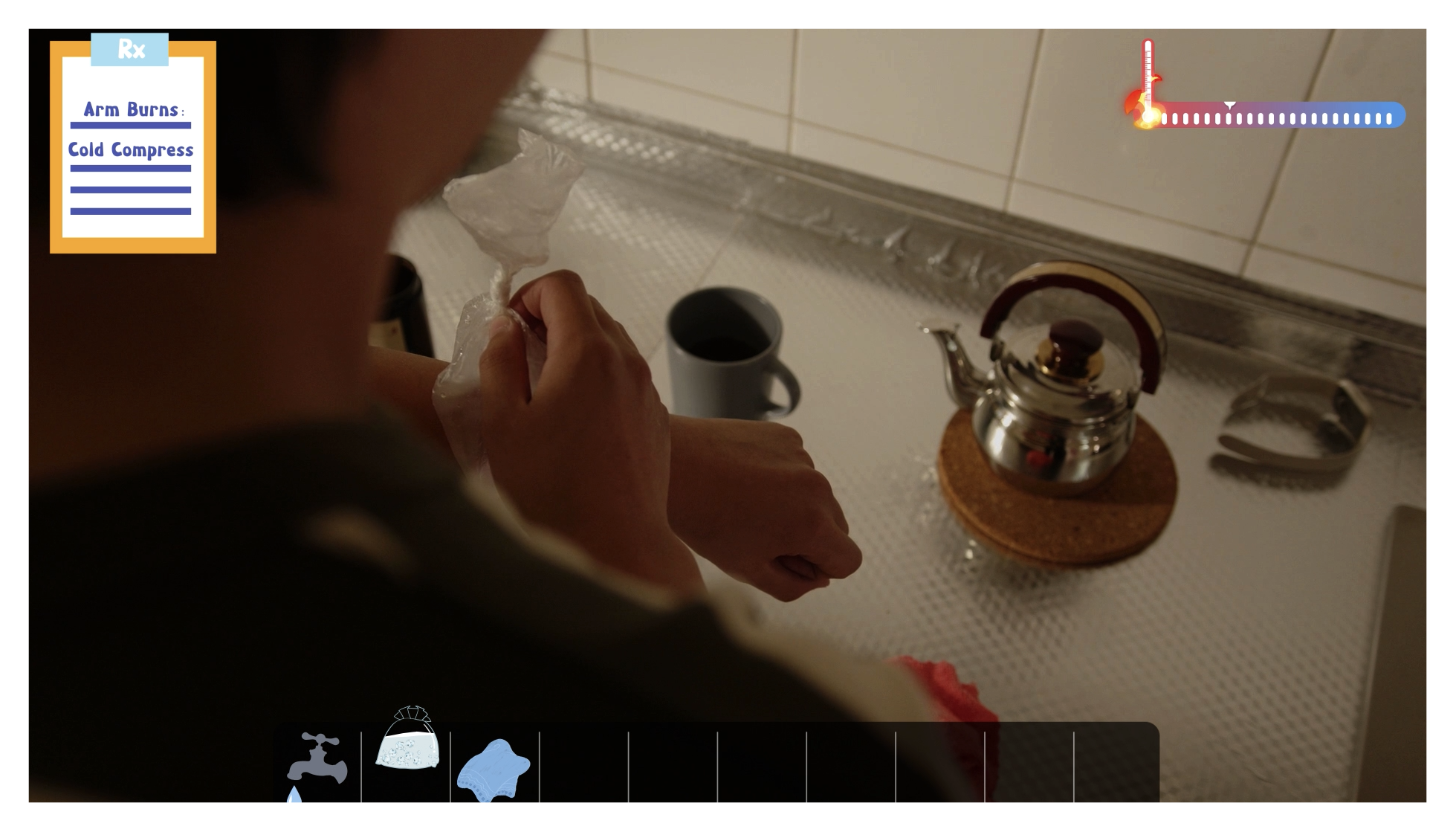
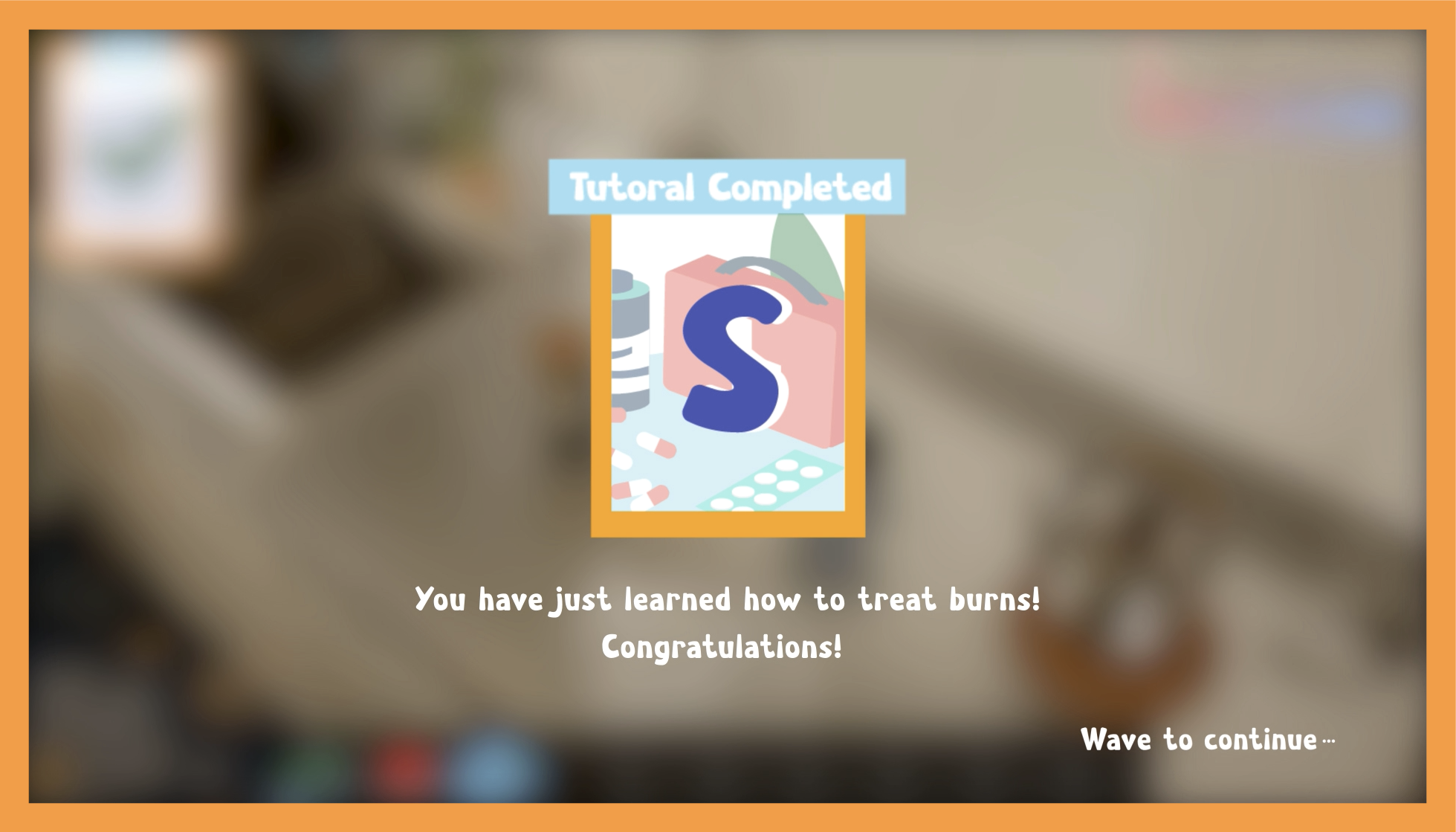
Each step explained:
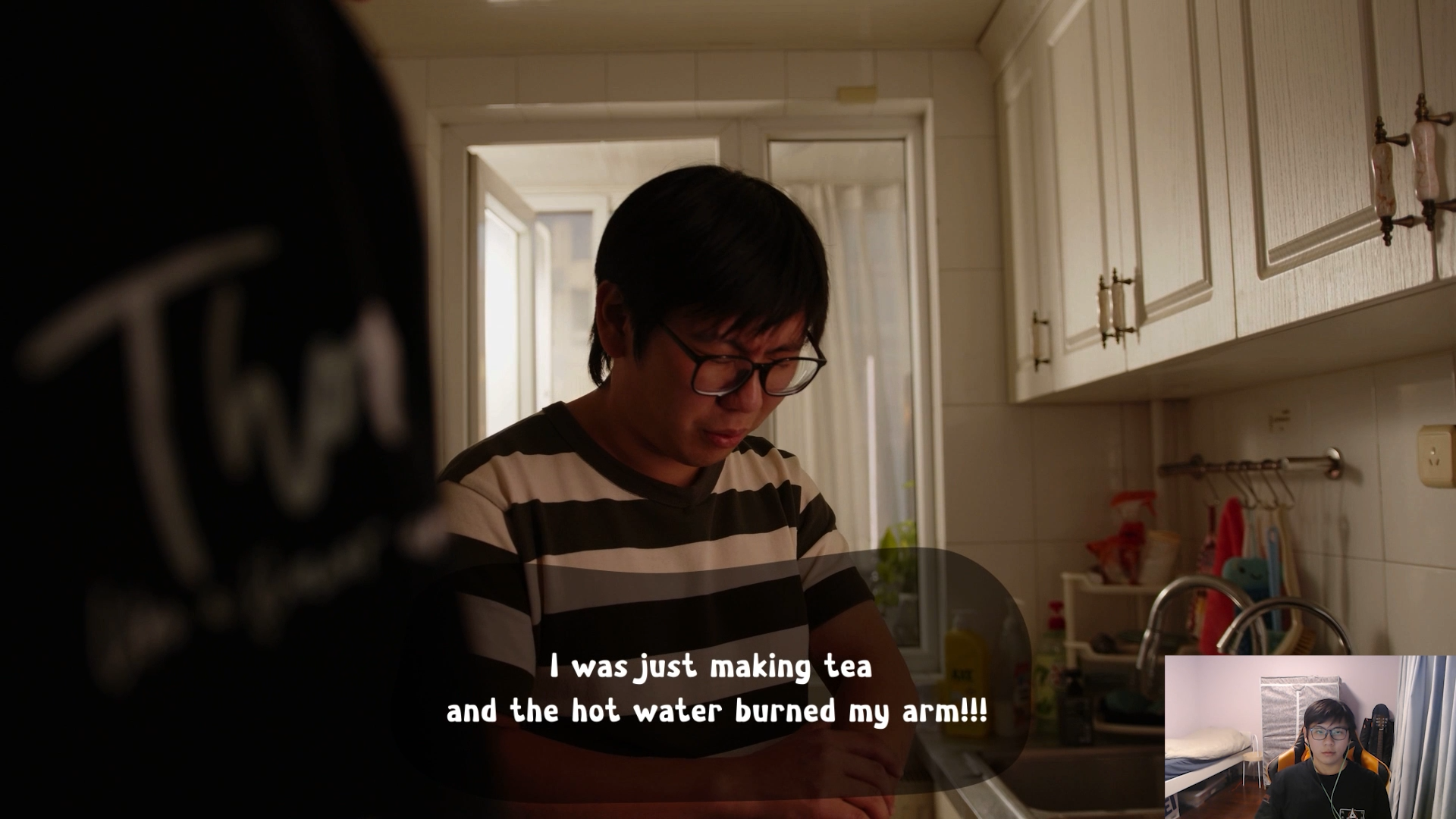
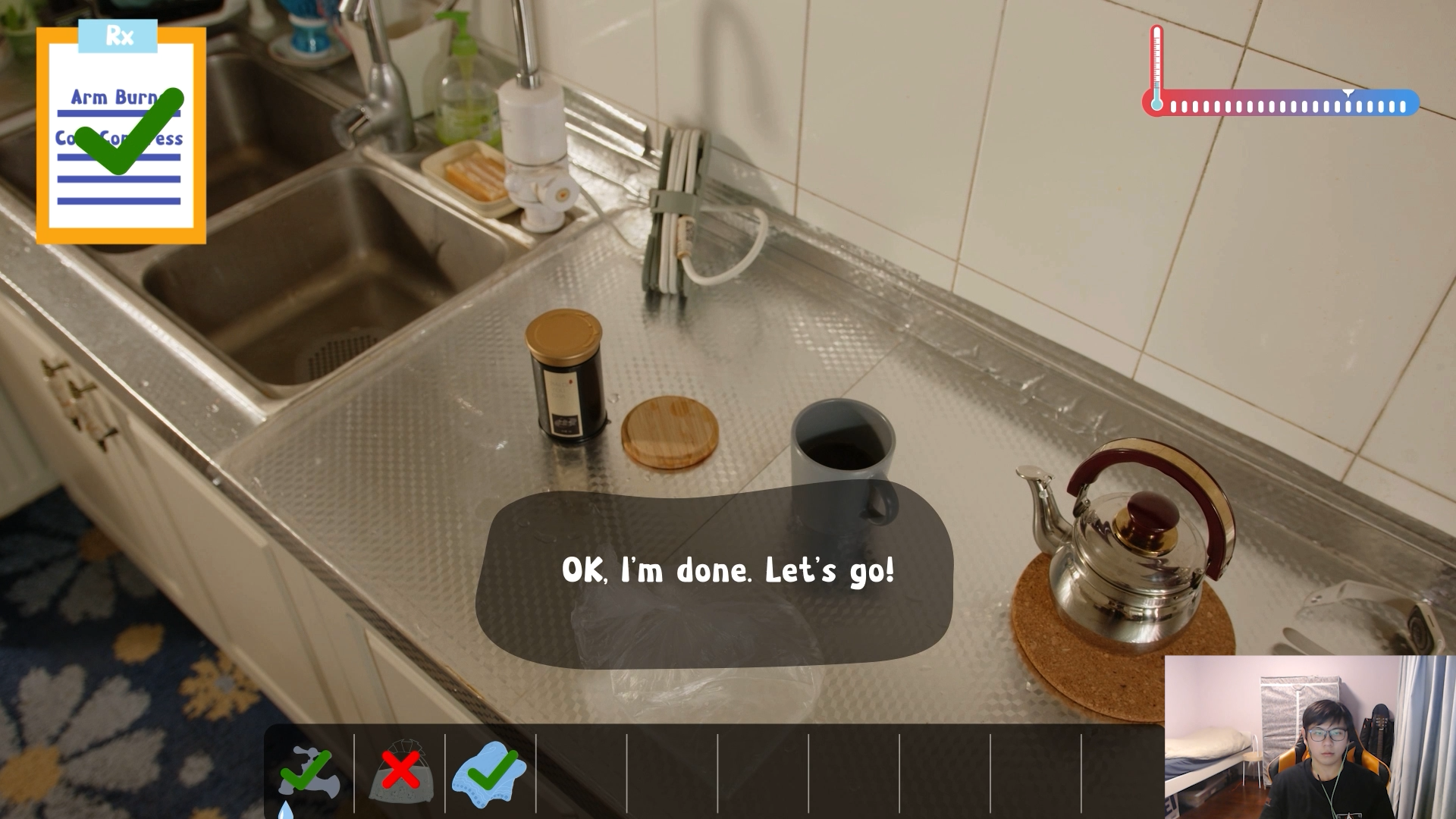
- a. Story Telling — Each game level is a separate story told through videos, including scenarios, characters, and situations, to add to the player’s sense of immersion
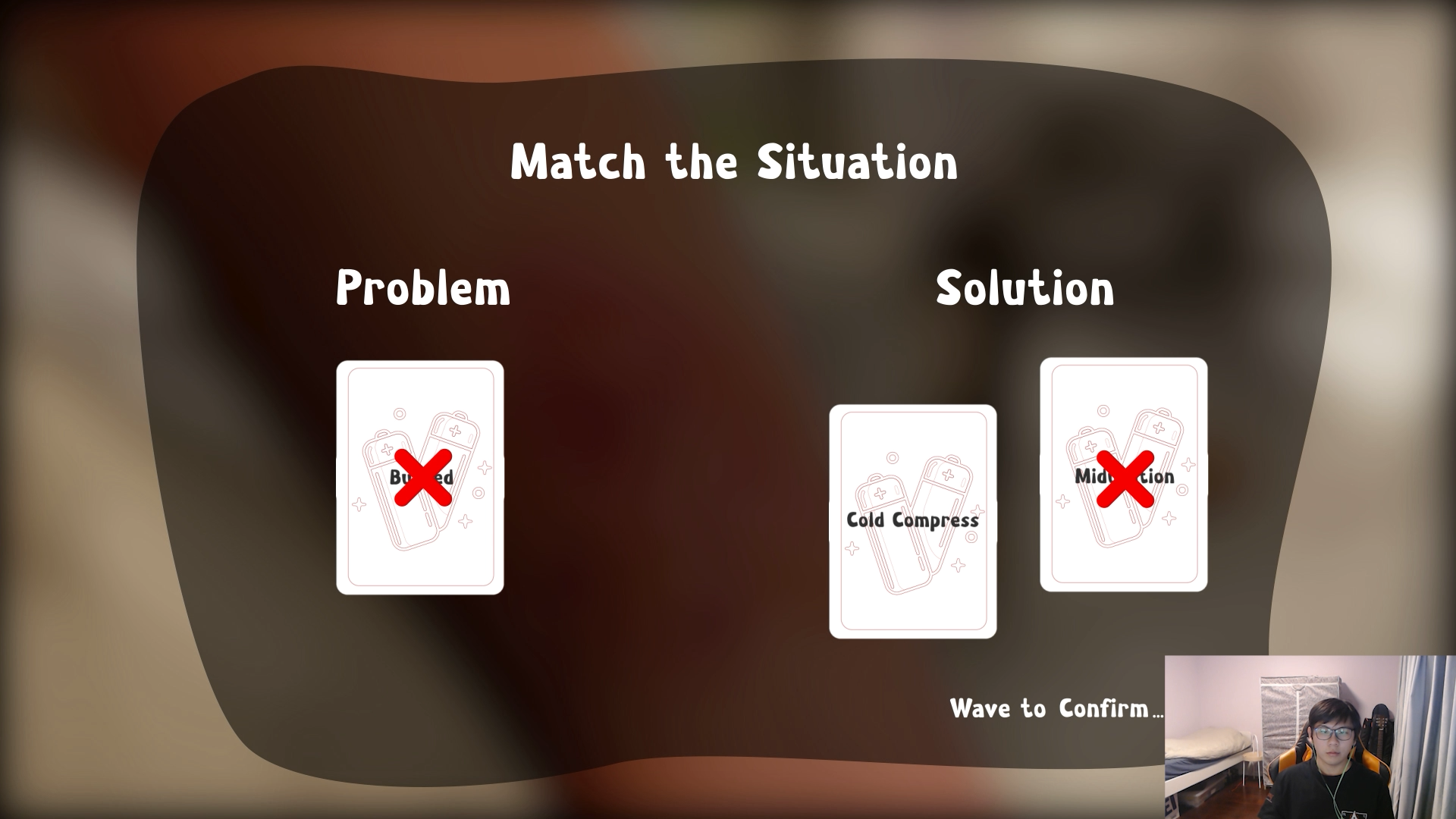
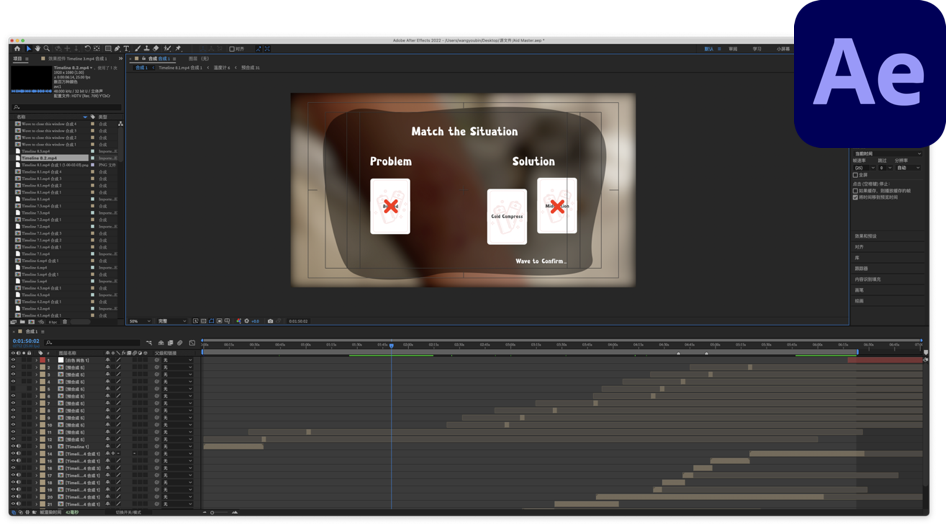
- b. Match the Situation — Players need to judge the situation of the injured person. The game uses a card game approach to increase the player’s memory
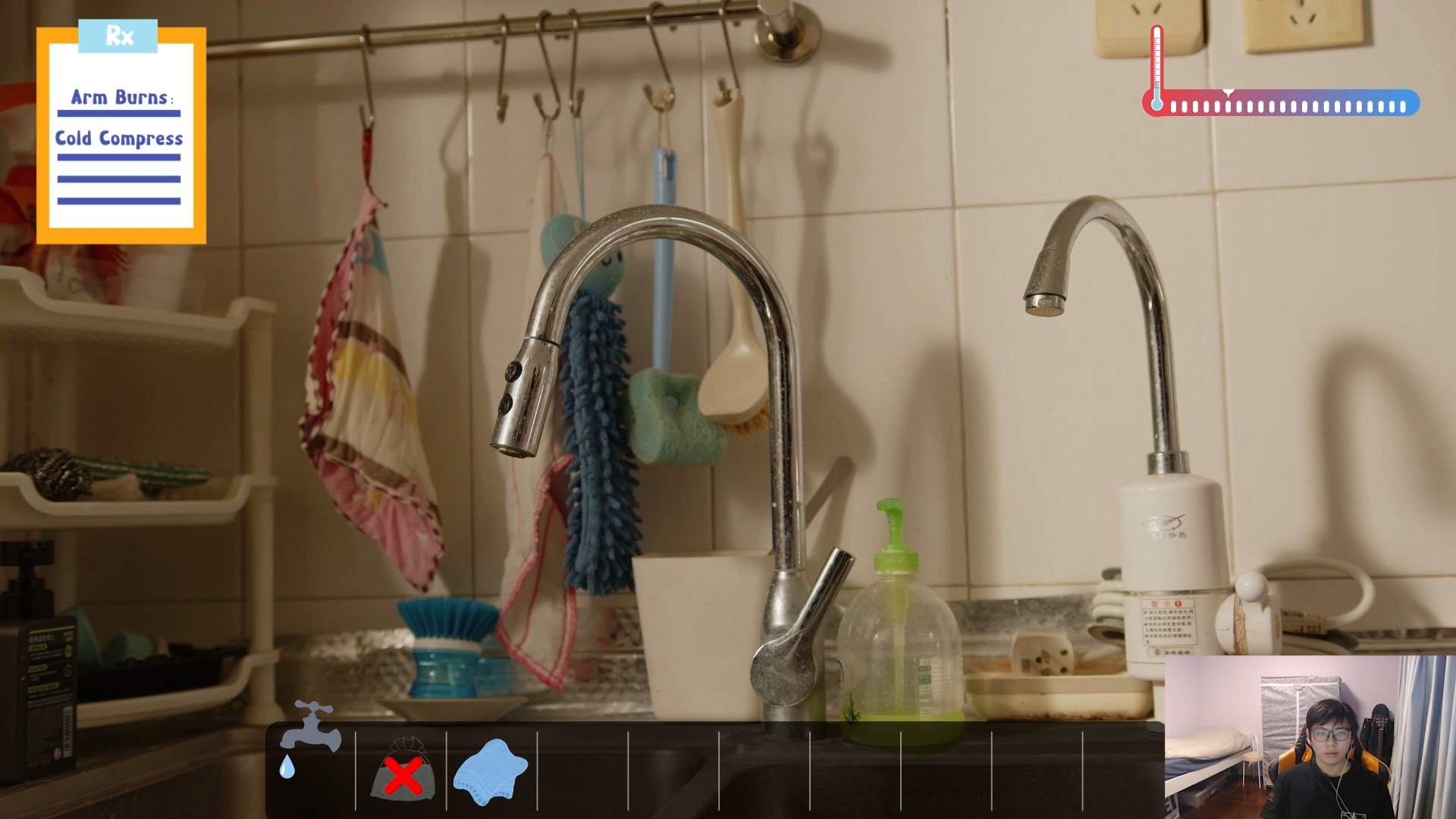
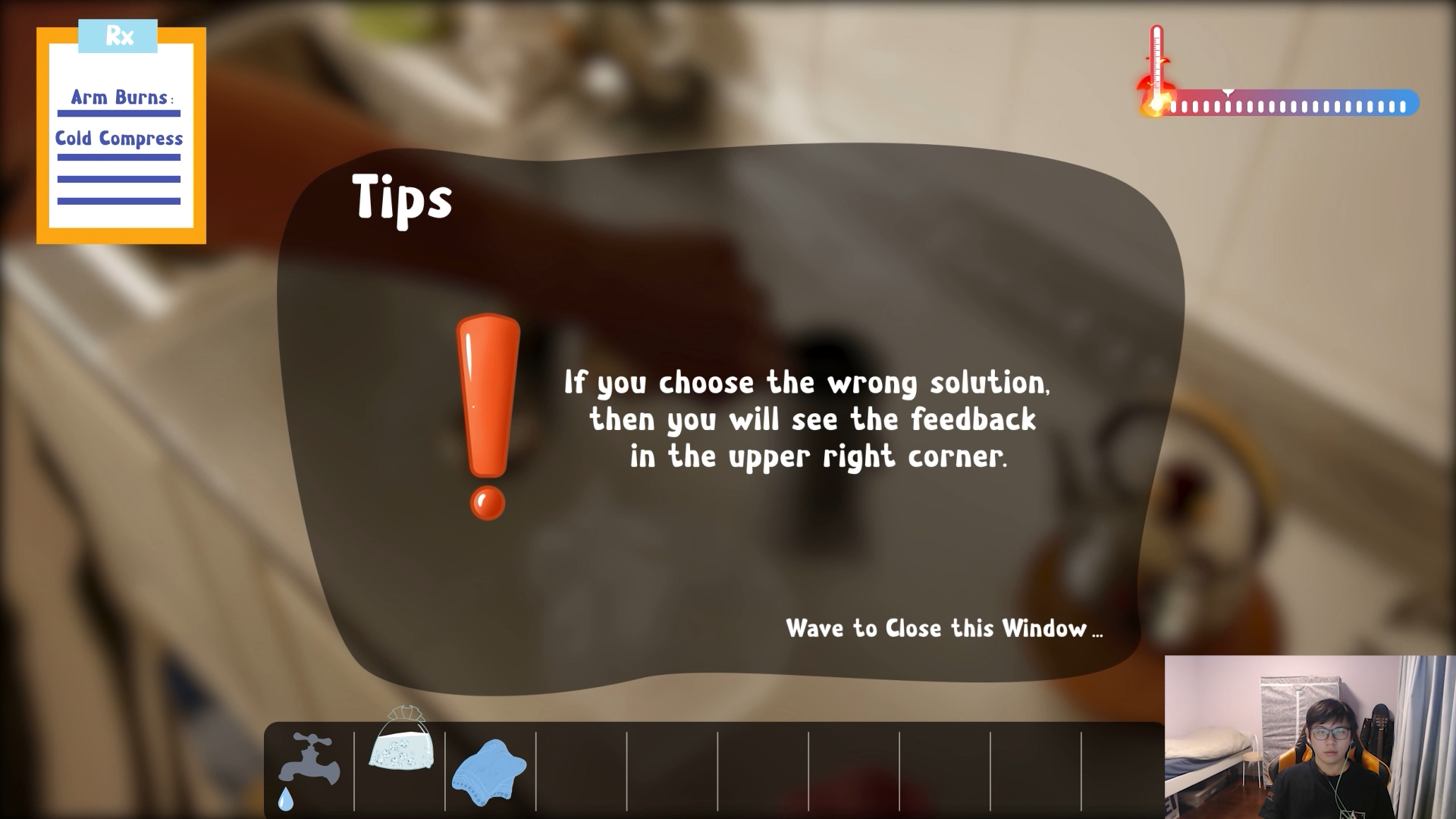
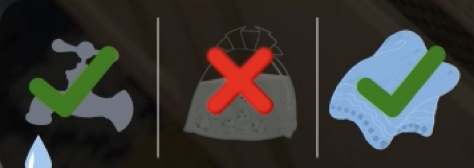
- c. Show Tools — Each level provides the player with the tools that may be used for first aid. There are correct and wrong choices
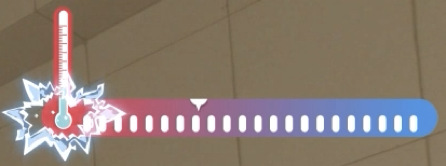
- d. Restriction Display — The player’s HP, time, and other restrictions match a realistic first-aid situation. Exceeding these restrictions results in failure
- e. Trying Treatment — Players choose the correct tools in the correct order. A mistake deducts HP and the game explains why it was wrong
- f. Score Settlement — After level settlement, the score is displayed and medals are awarded
Feedback & Achievement
a. Rating System
The game is scored according to the player’s time spent, settlement, and degree of regulation of the operation after passing the level.

b. Medal Display
Passing each first-aid level will generate medals. Players can collect medals in exchange for titles, UI skins, and others.

Level Flow
c. UI Feedback
Production
Storyboard

Live Action
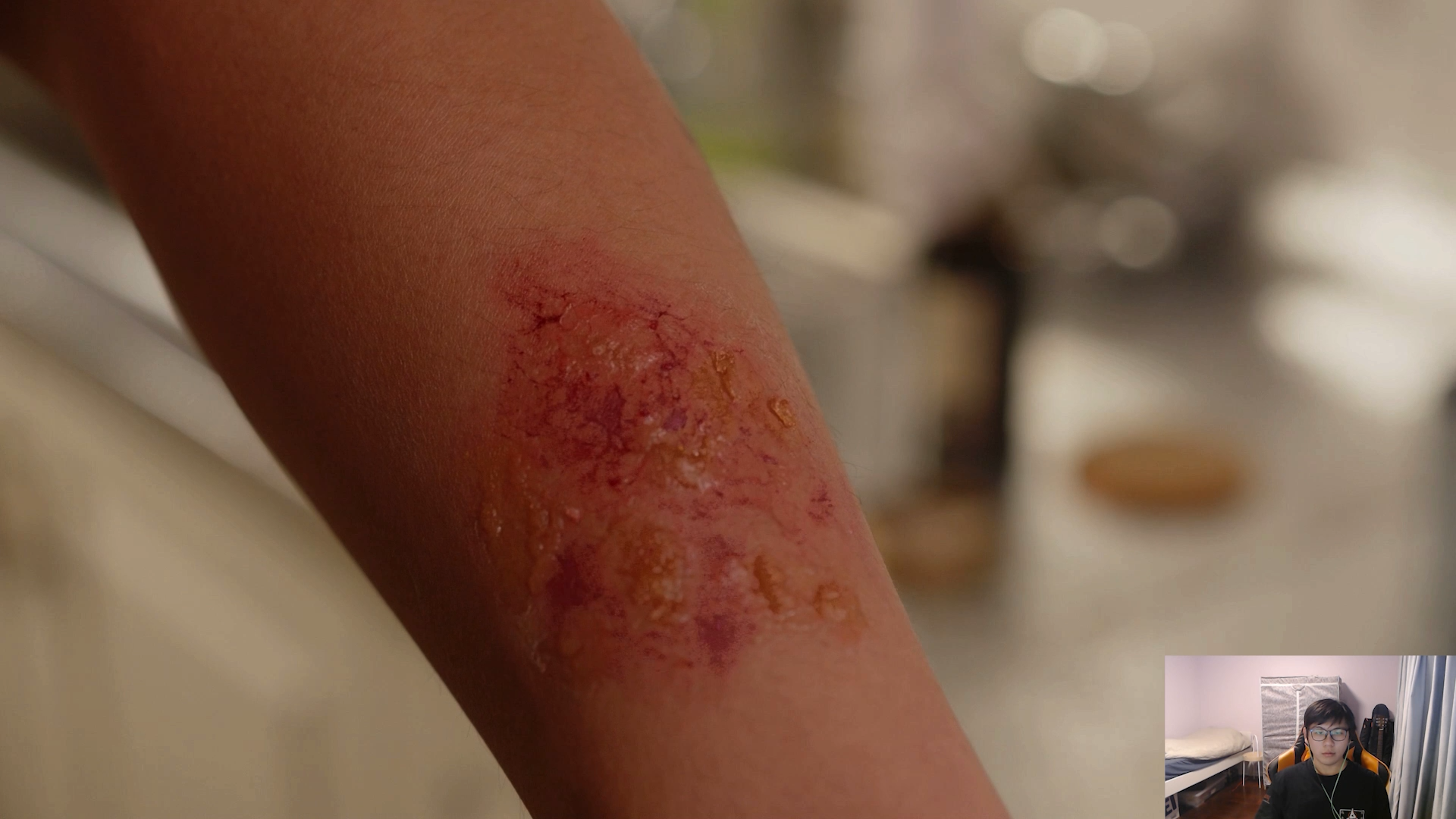
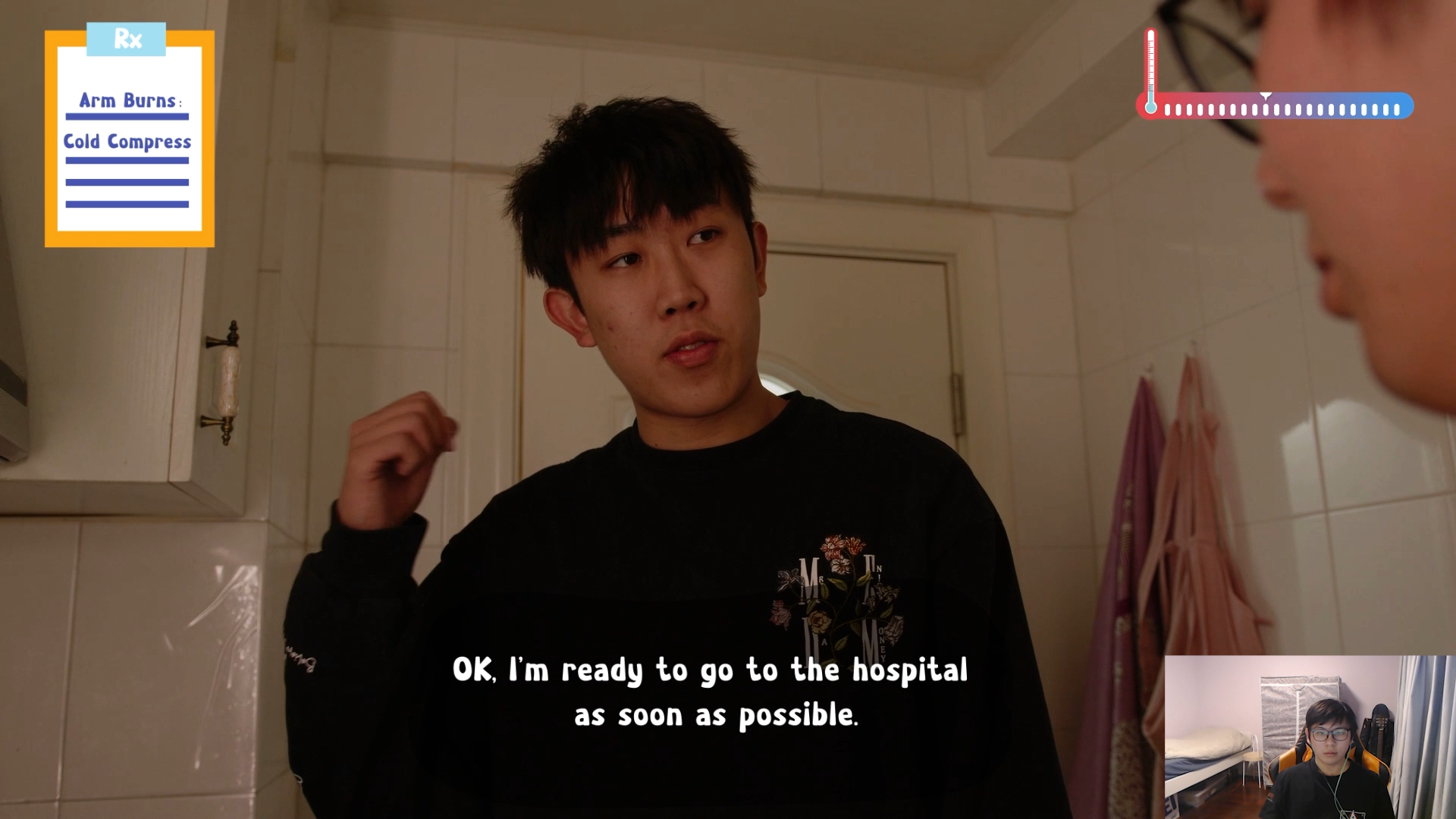
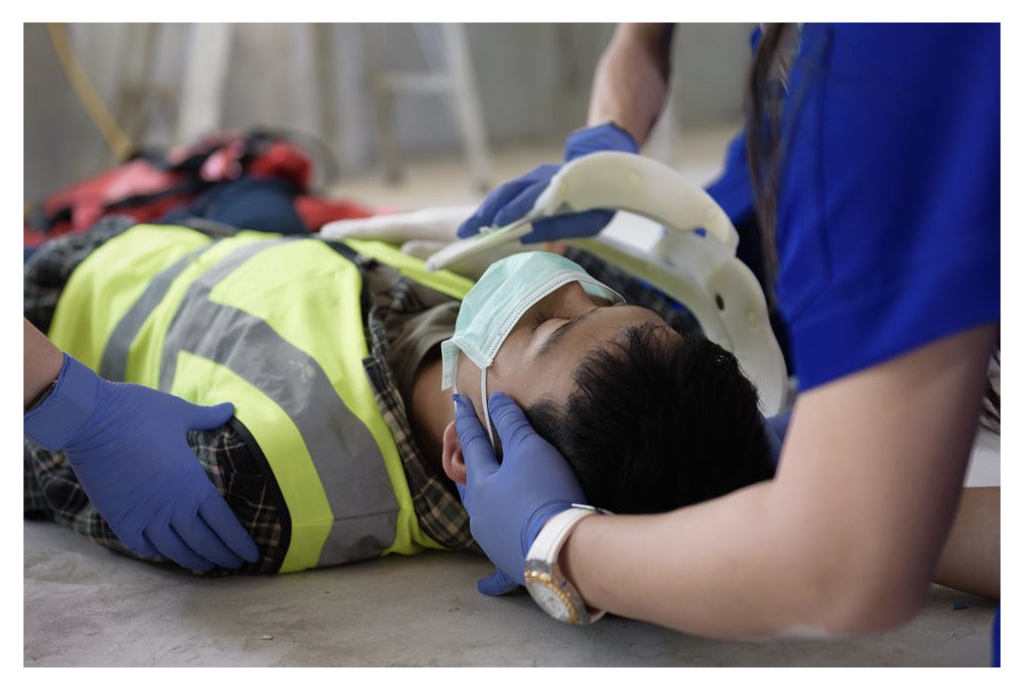
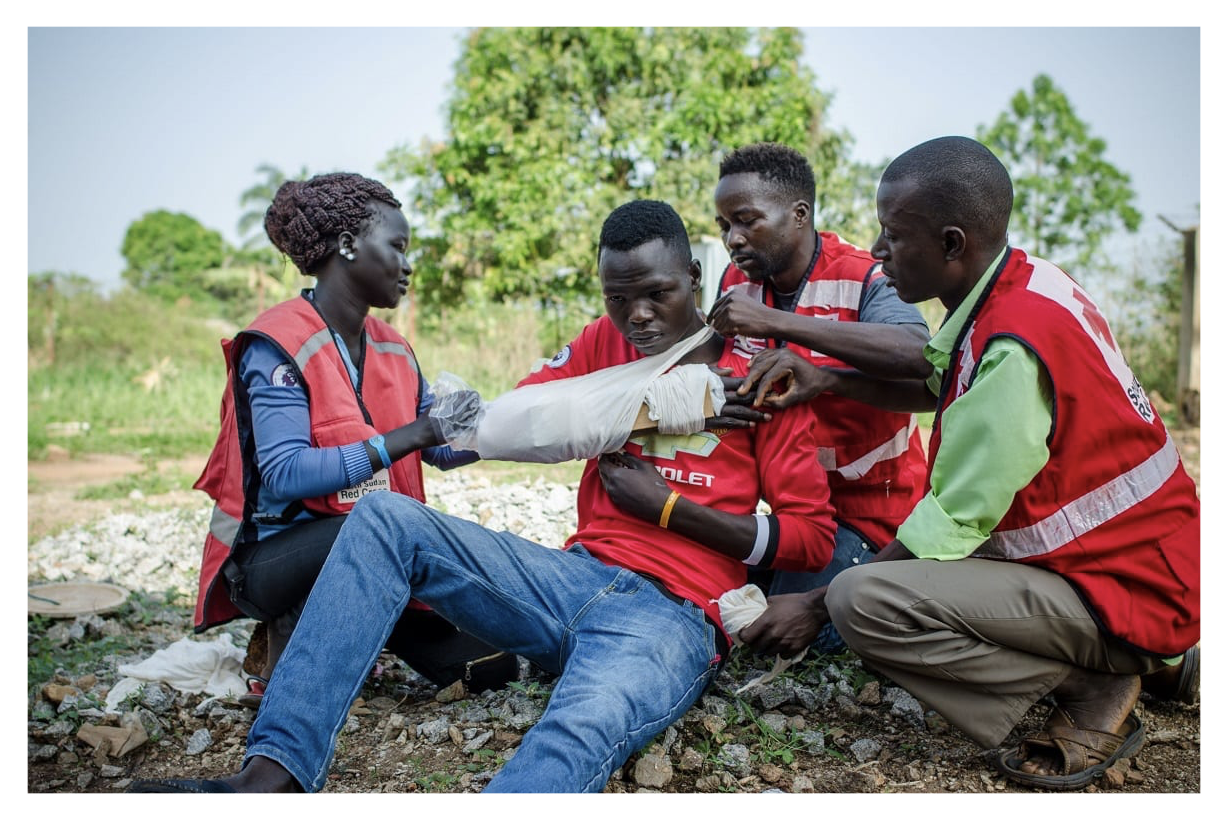
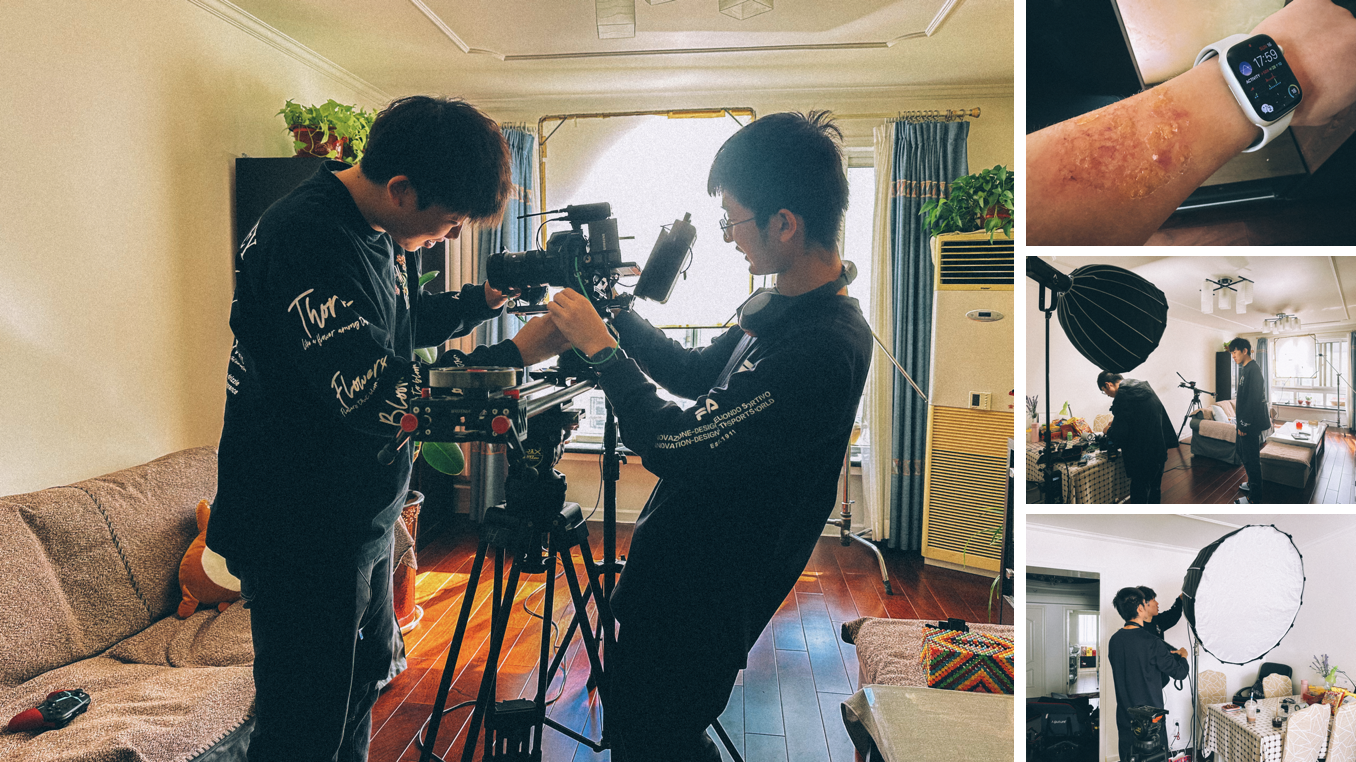
The game opts for the traditional photography method. When compared to the use of 3D models, this can restore the situation of wounds and trauma location as realistically as possible, allowing players to make better decisions and bringing players empathy.
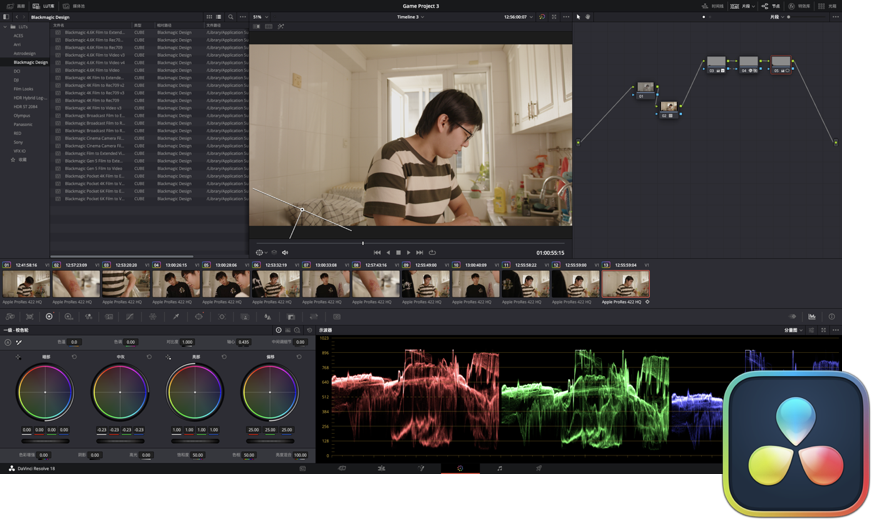
Editing & Color Grading
Special Effects Production
Gallery