Shepherds
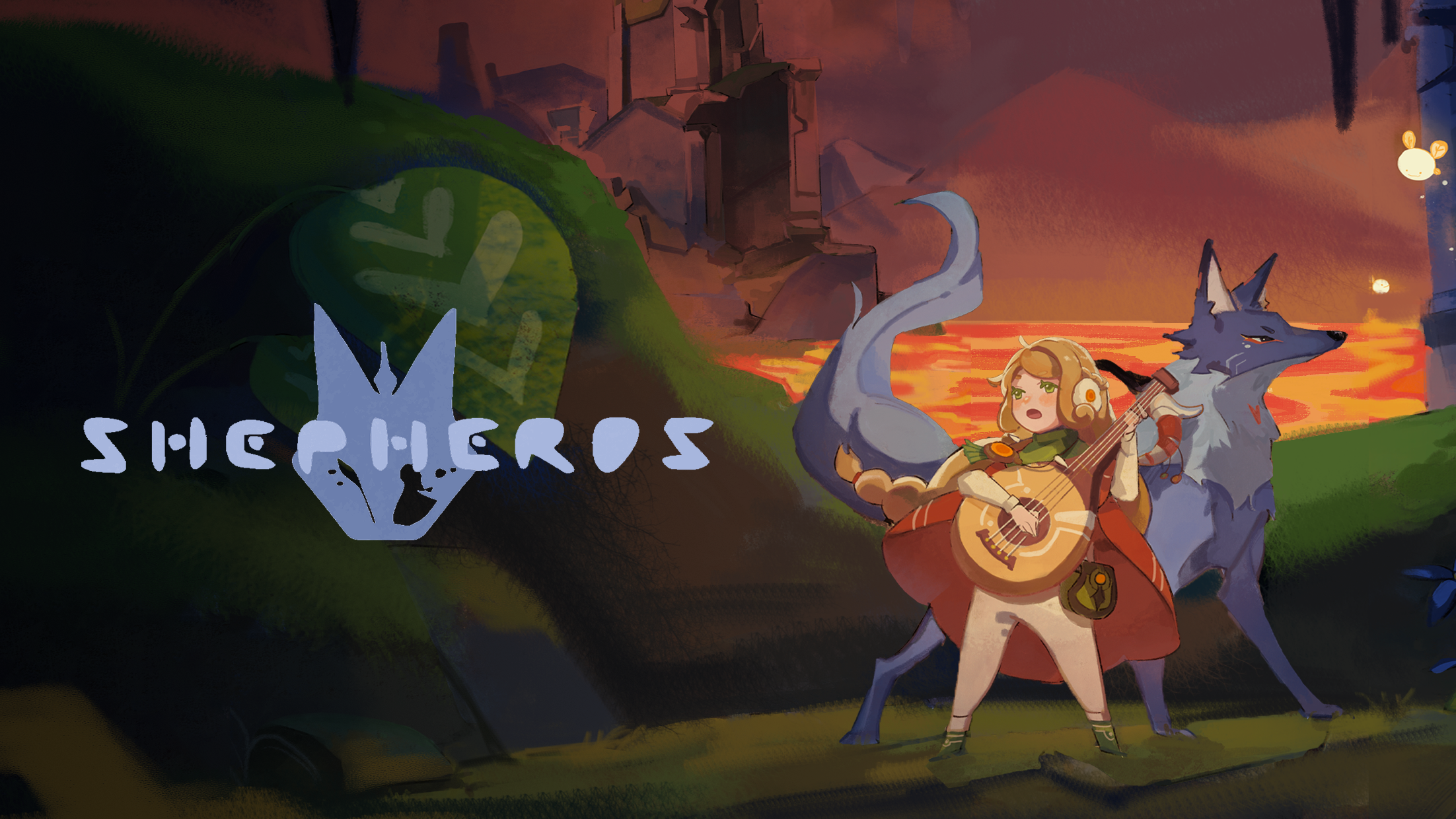
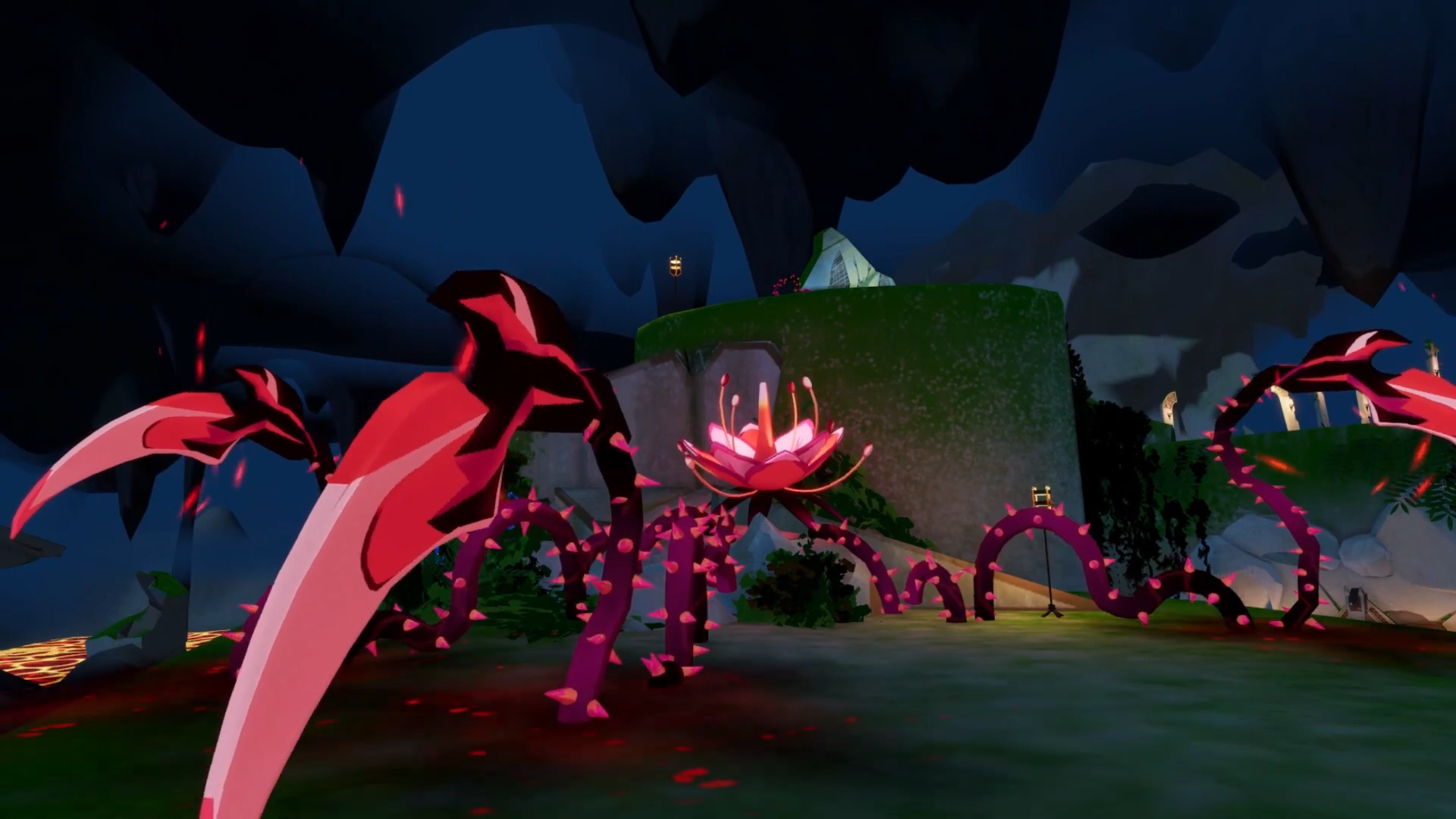
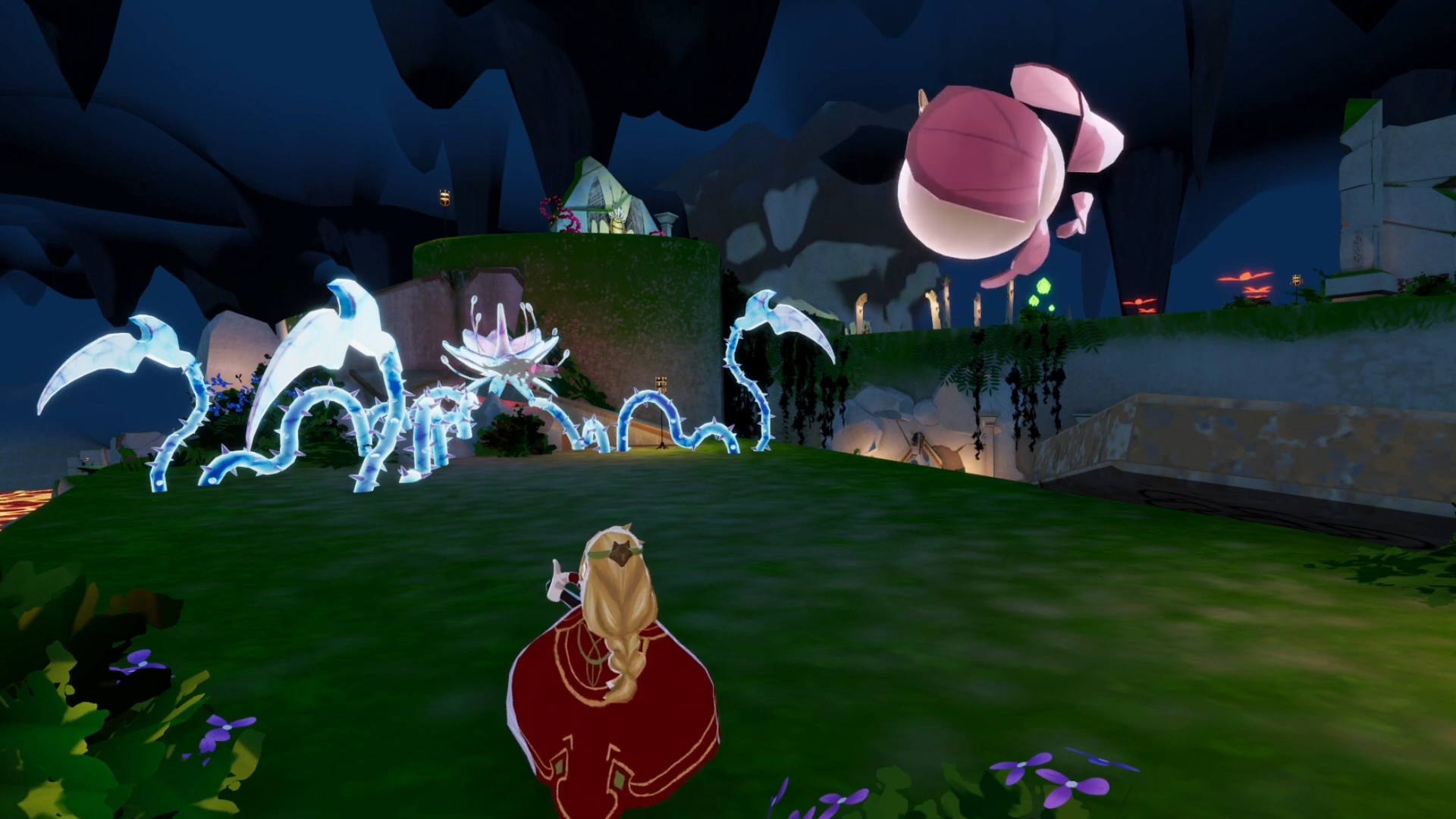
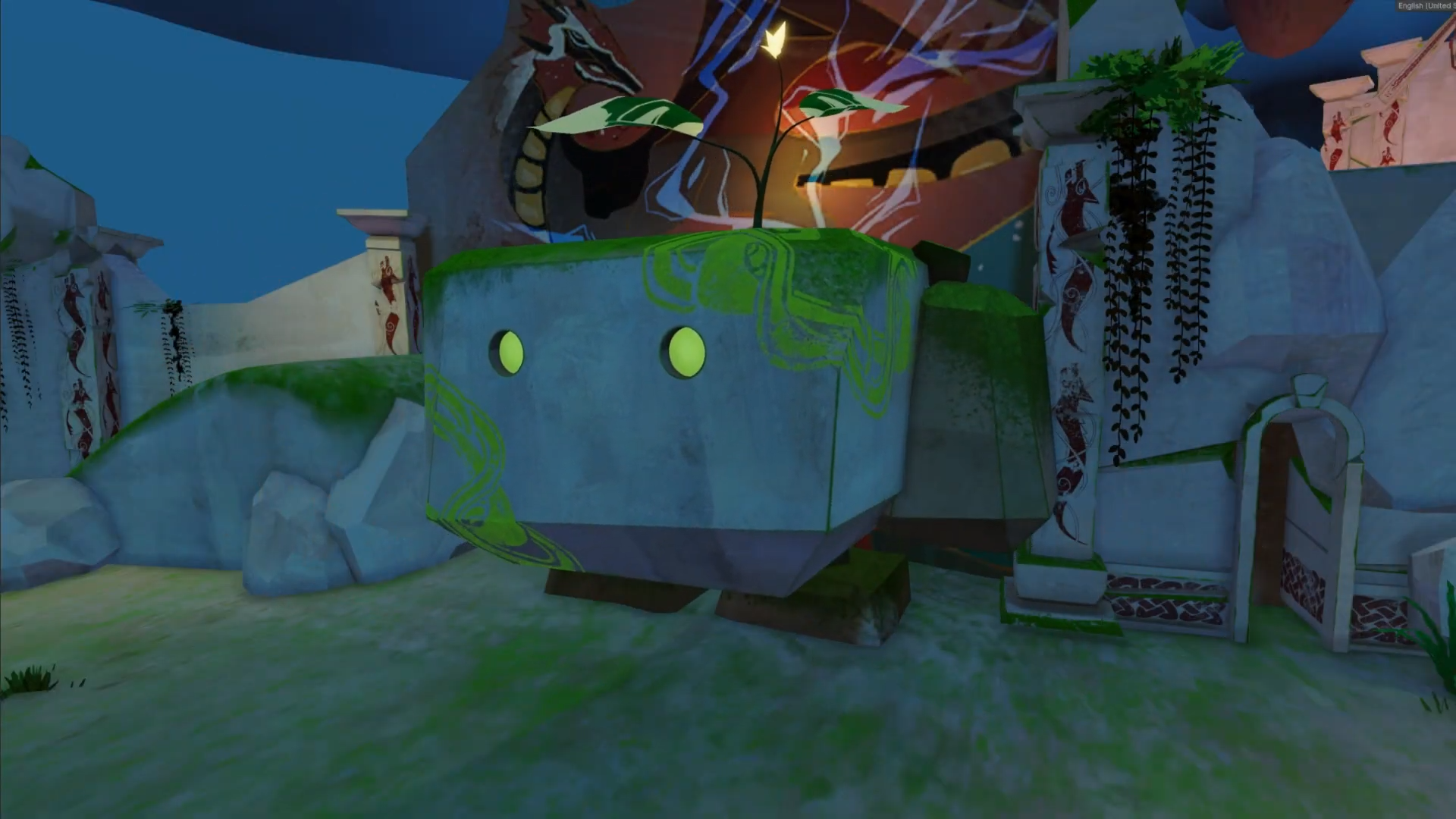
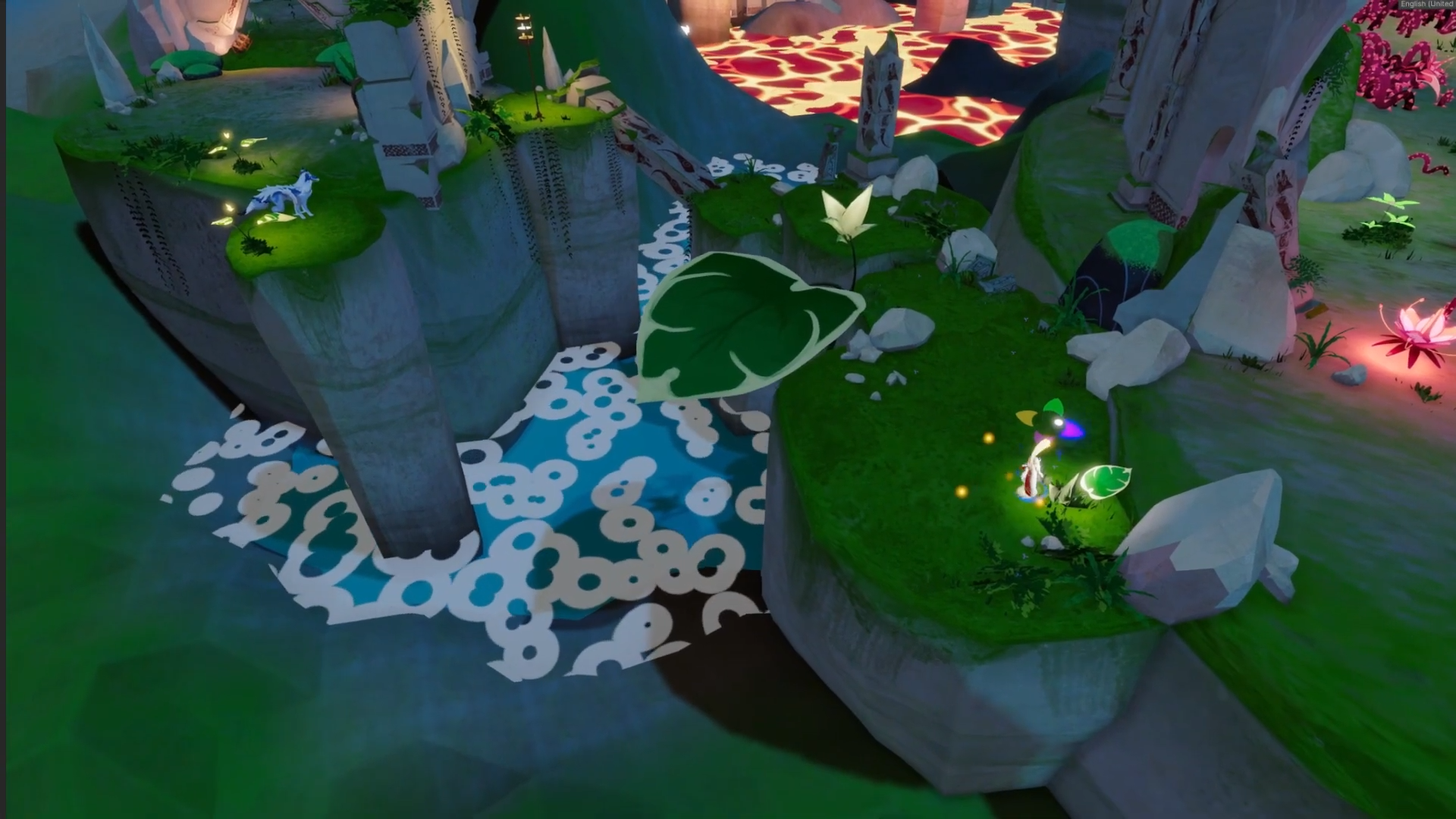
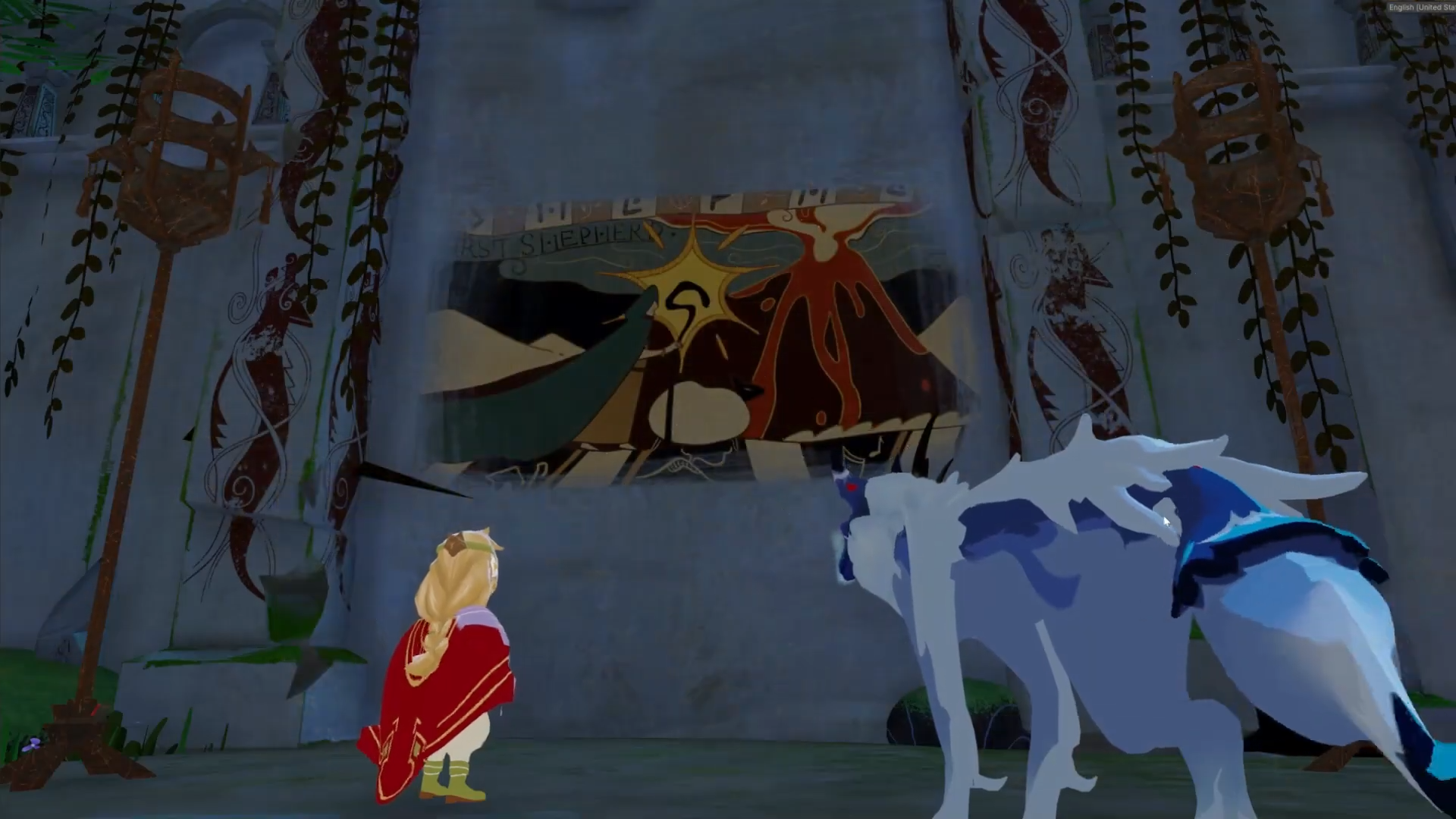
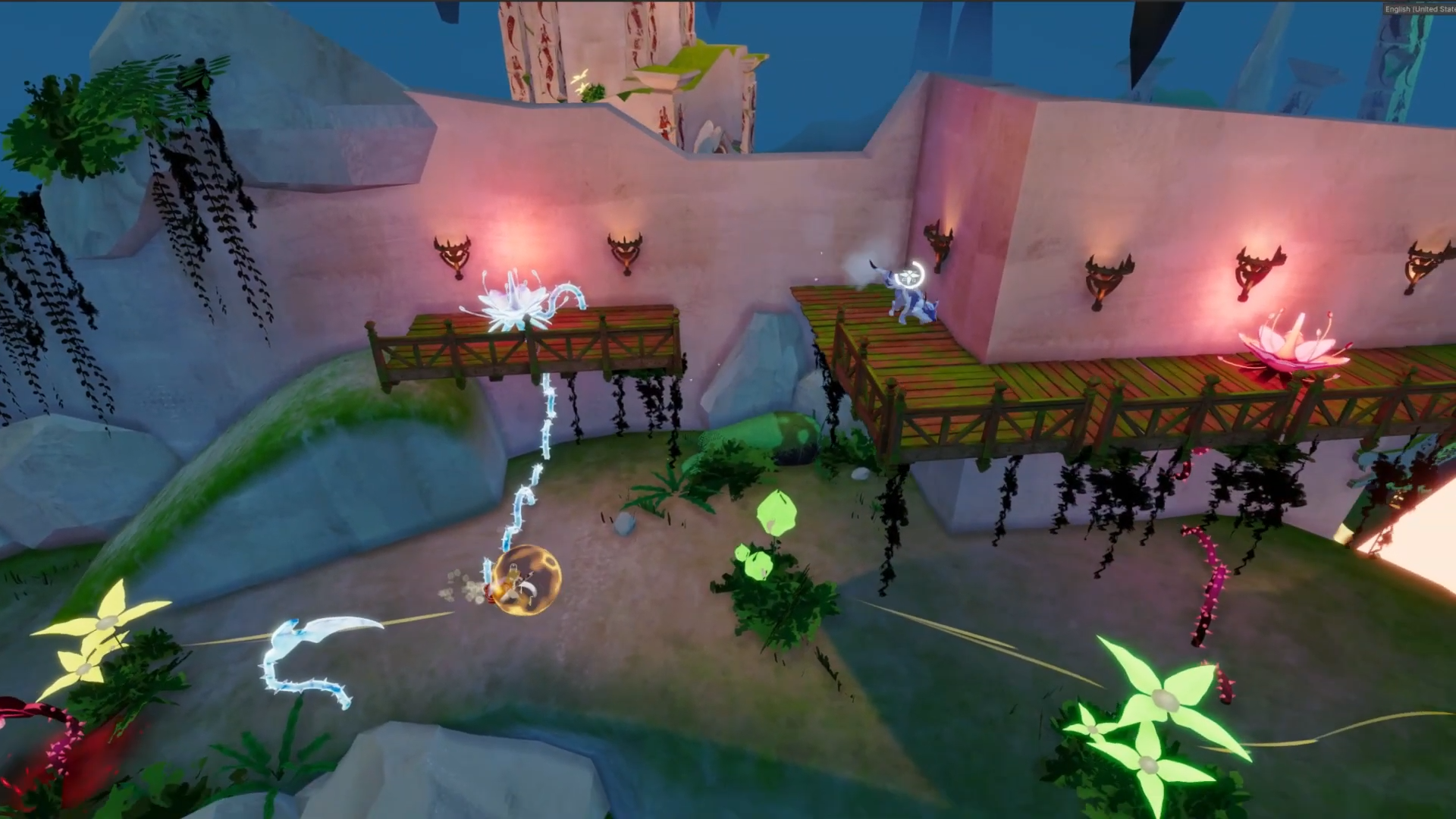
Shepherds is a 3D co-op action-adventure game where players team up as a shepherd and a wolf. They solve rhythm-based puzzles and tackle platforming challenges to save their island.
USC Games MFA Thesis Project Game Director - Haoyun Zhang | Producer - Robert Li
- ROLE
- Game Producer
- TEAM SIZE
- 28 members
- ENGINE
- Unity · PC
- DURATION
- 10 months
What I Learned From This Project?
Main Contributions
-
Enhanced Development Efficiency: Established a Scrum-based agile development environment in Jira and Notion, significantly enhancing efficiency and team dynamics for a 28-member team through regular sprint reviews.
-
Project Execution: Collaborated closely with the game producer to set detailed project milestones, develop sprint content, and deliver productivity solutions. Created over 10 sprint planning and task-tracking spreadsheets using Google Workspace.
-
Productivity: Spearheaded organizational meetings for the Design and QA teams, produced over 30 detailed meeting minutes and bug feedback documents, fostering efficient communication and collaboration.
Key Features
About the Game
Overview
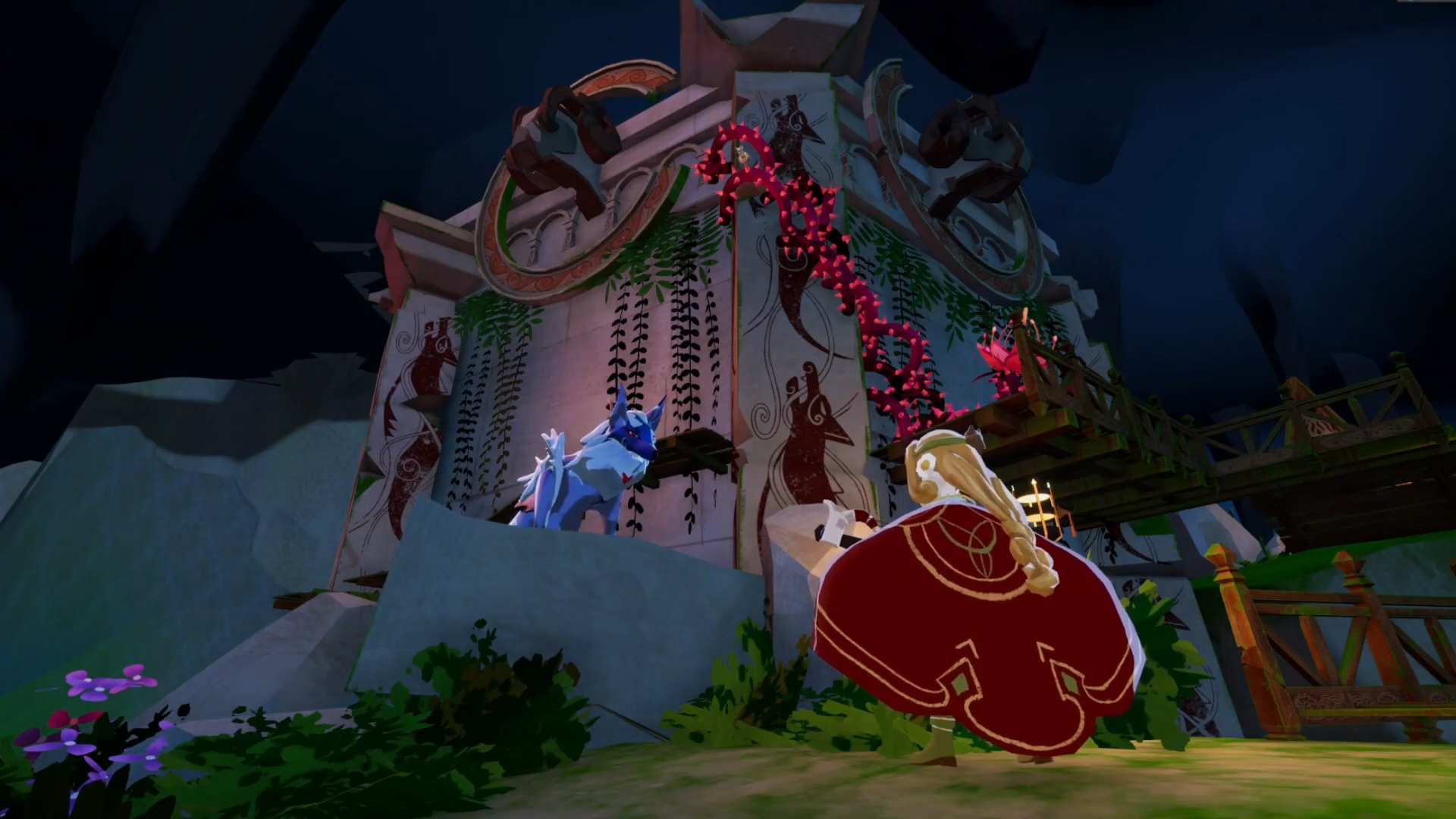
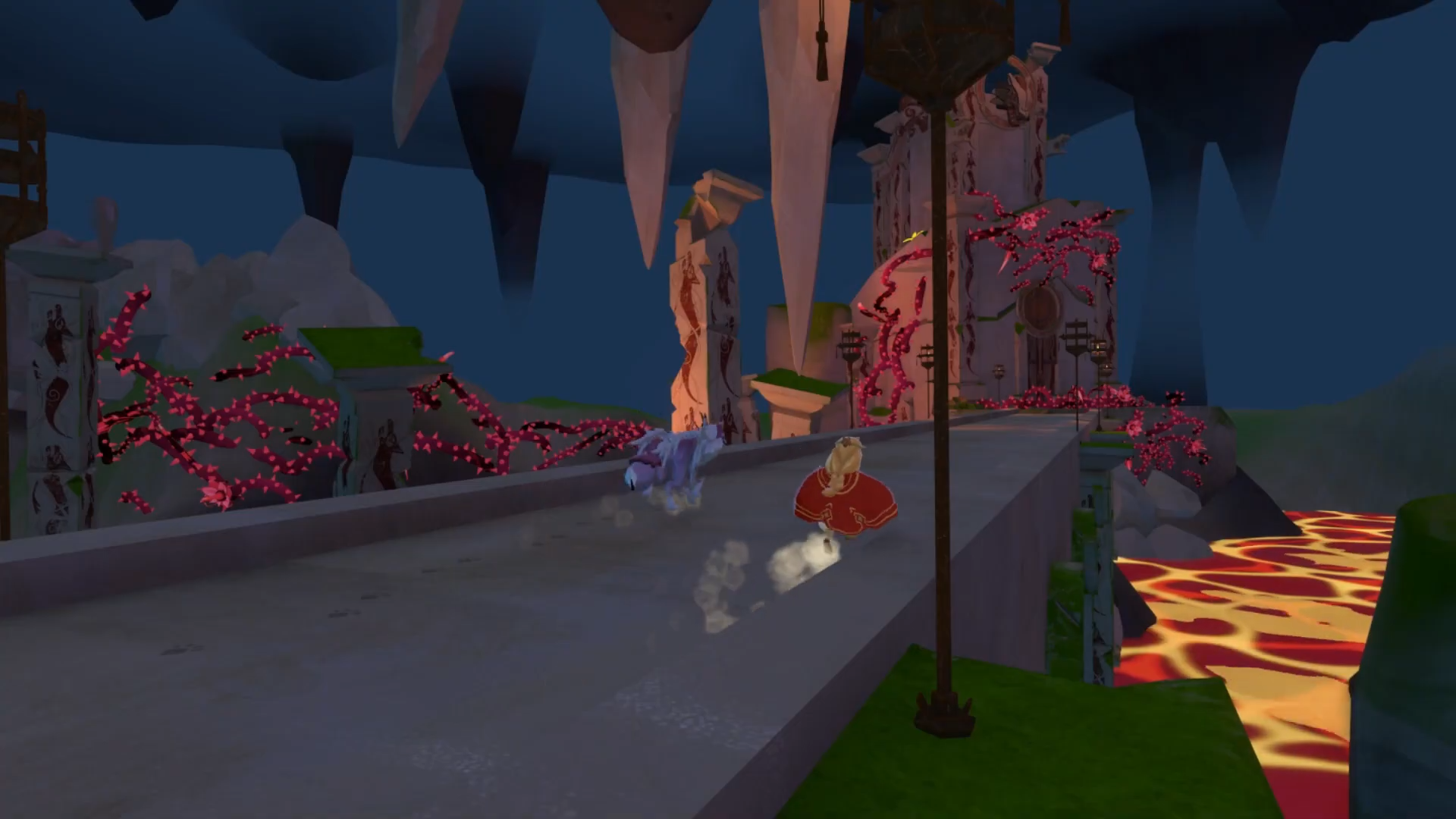
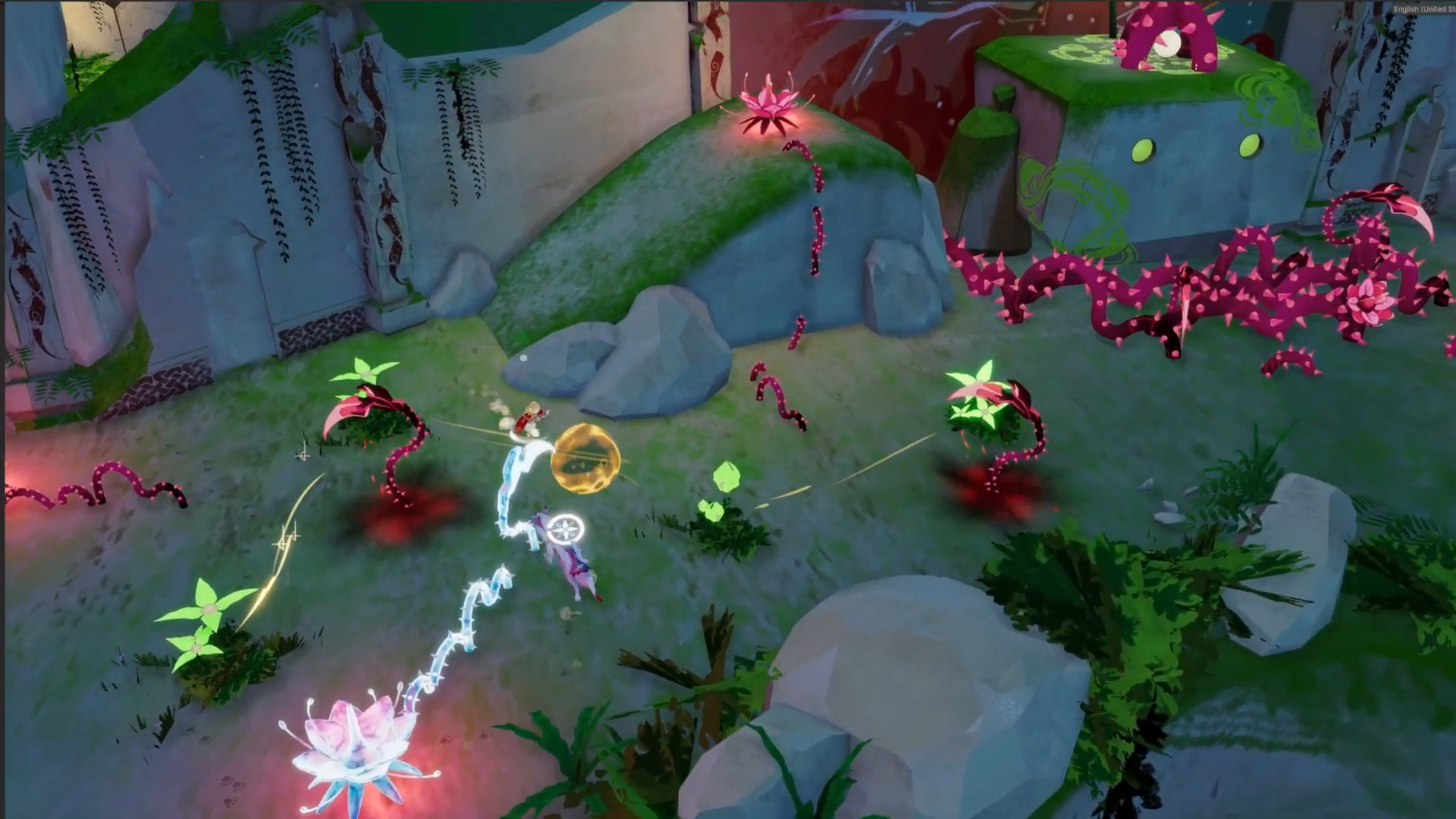
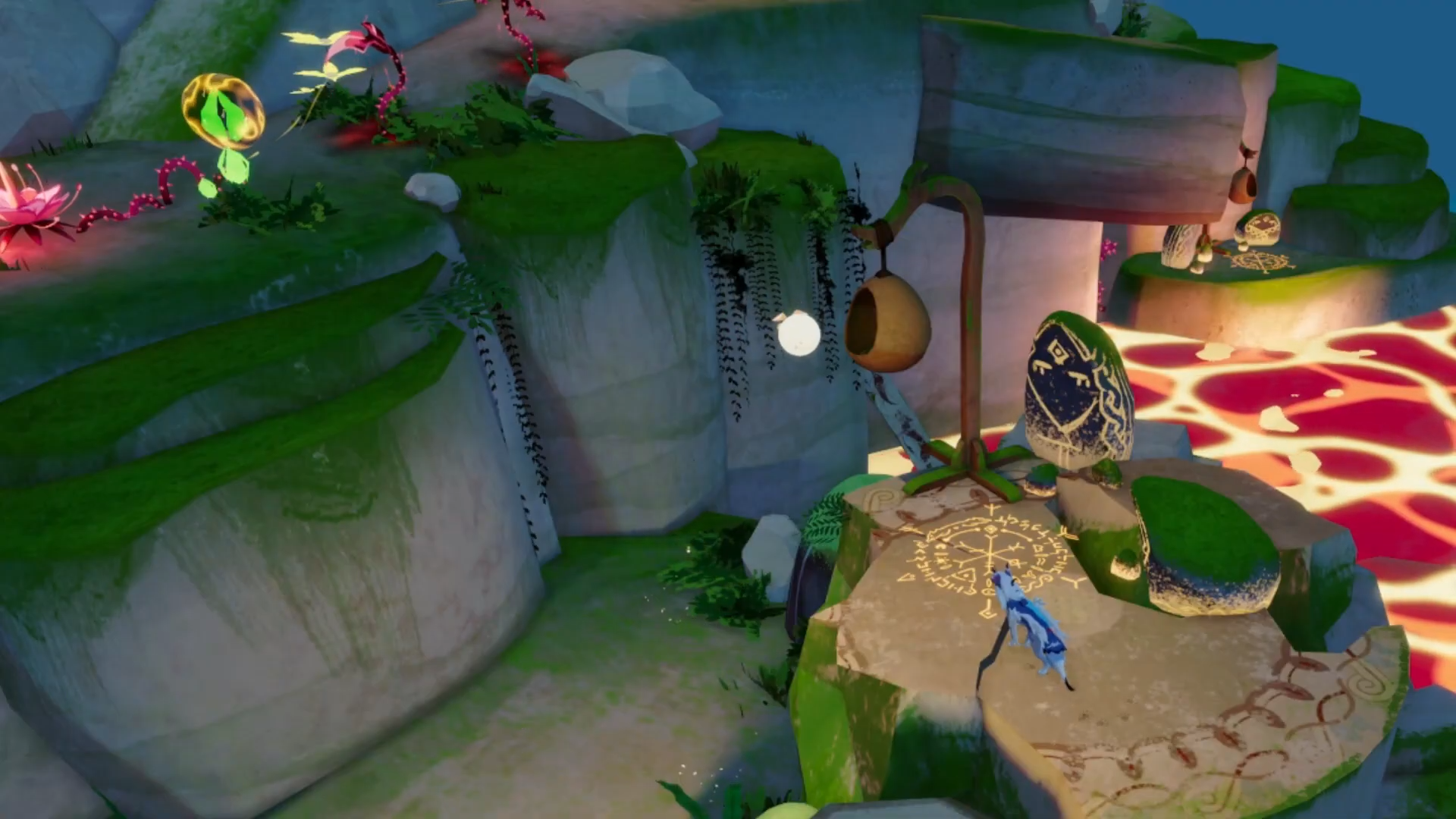
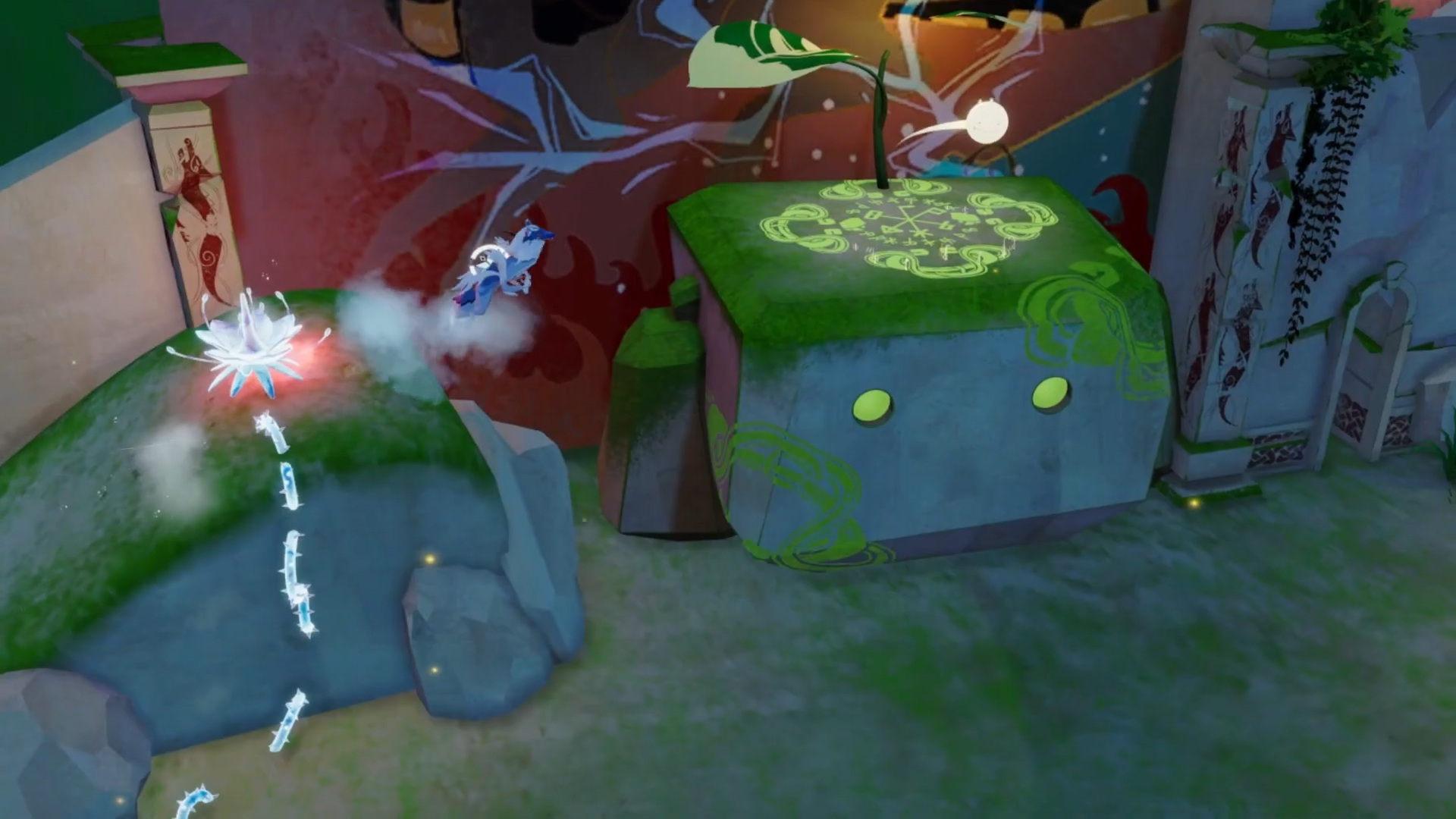
Shepherds is a 3D two-player co-op action-adventure game in which players control two unlikely partners — a shepherd and a wolf.
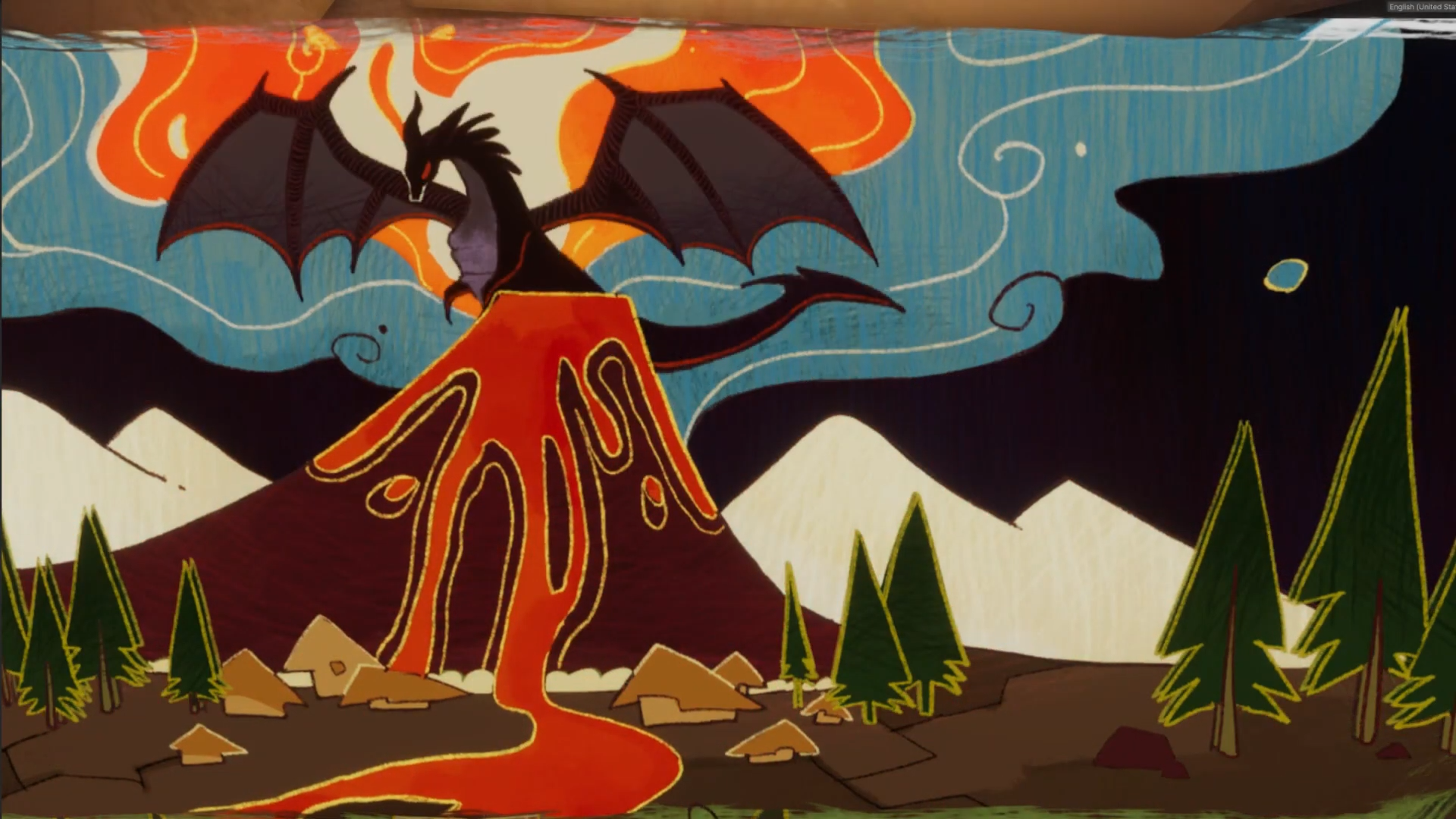
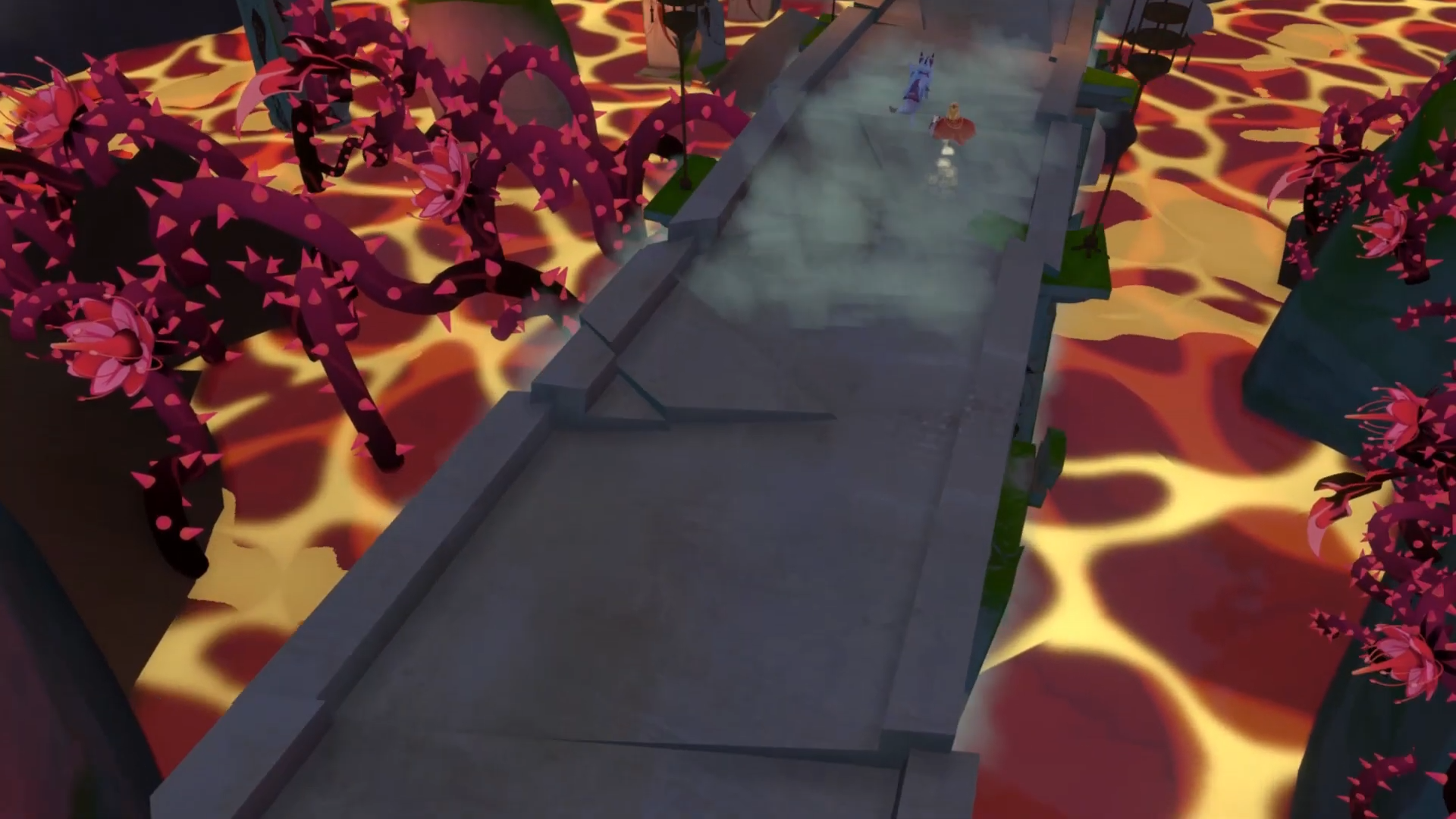
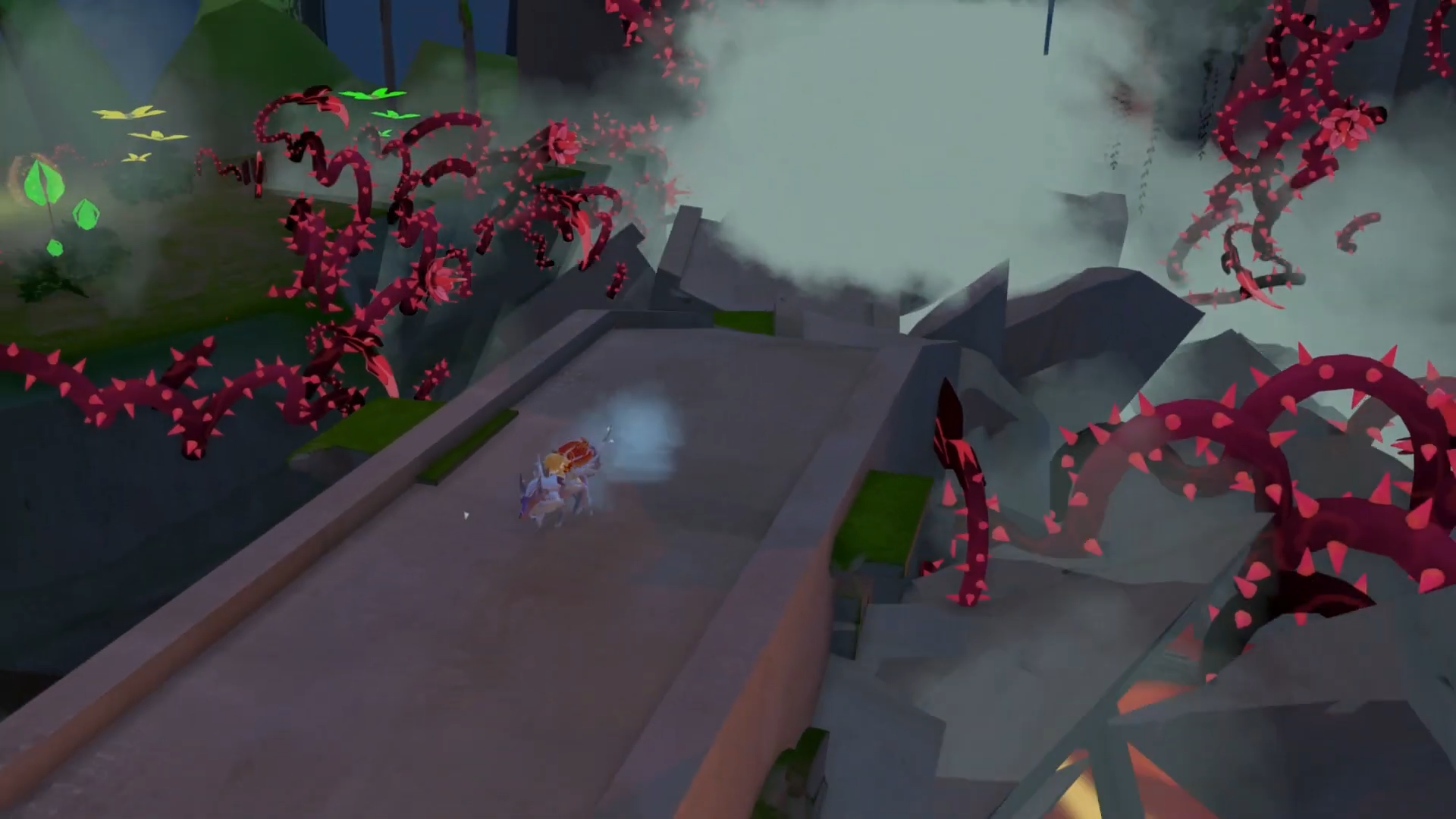
Players must combine their unique abilities to overcome rhythm-based puzzles and physics-based platforming as they descend into the heart of an active volcano to save the island.
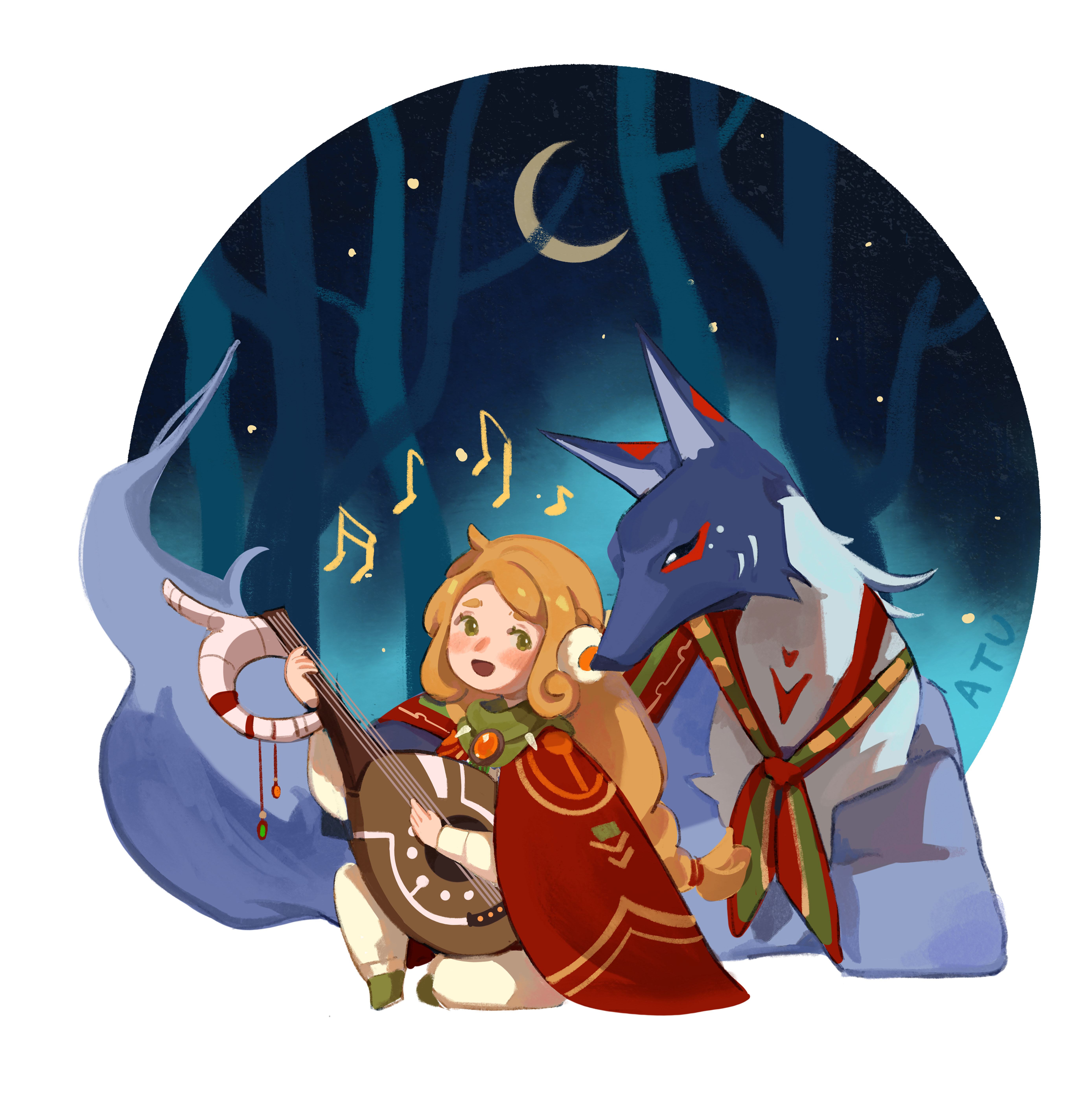
Characters
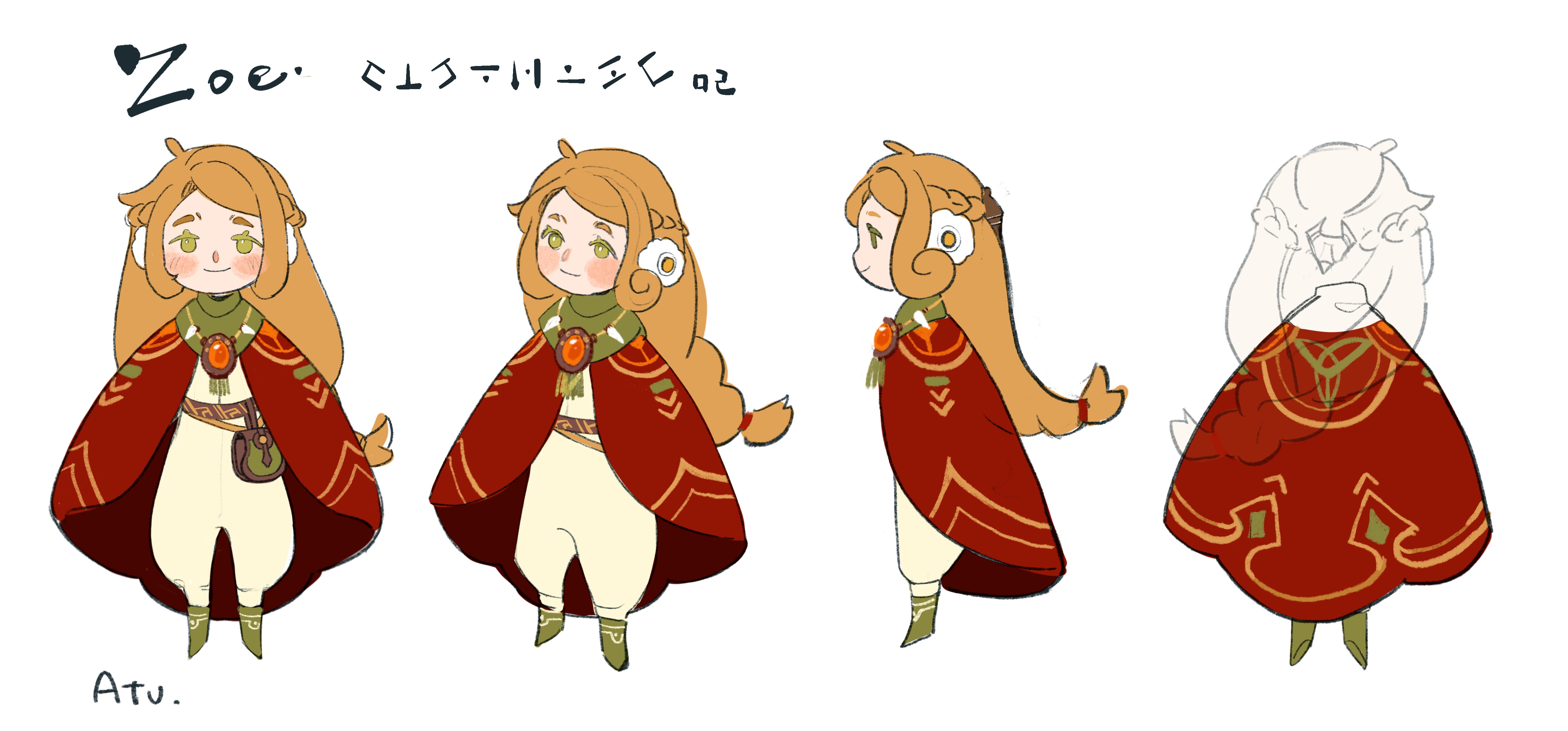
Dreams of becoming a true Shepherd, just like her late mother — even though her mother refused to train her. Believes in the good nature of everyone, even her enemies.
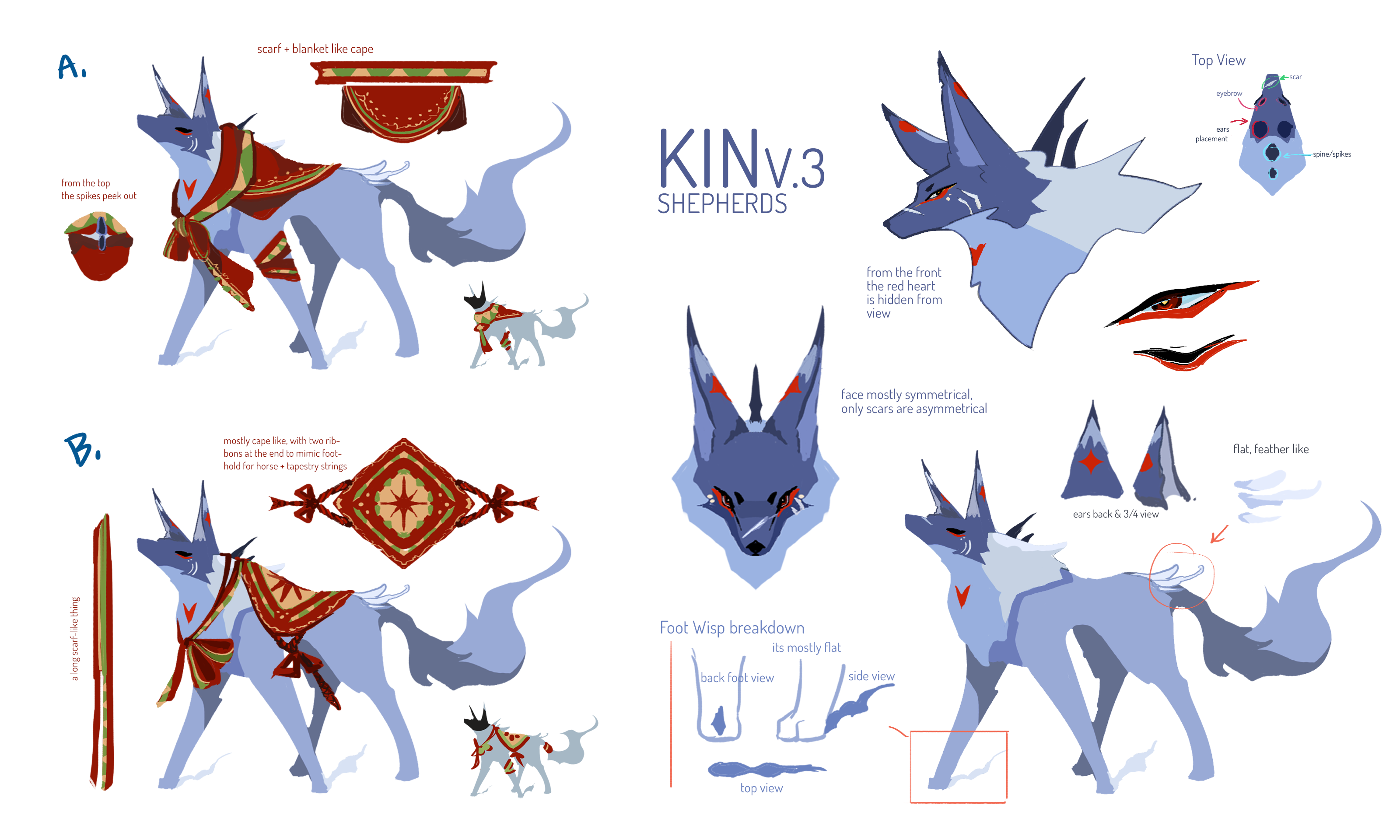
Yearns to discover its origins. There are no other wolves on the island — so who is it? Trusts no one but itself. Even Zoe is just a means to an end.
Gameplay
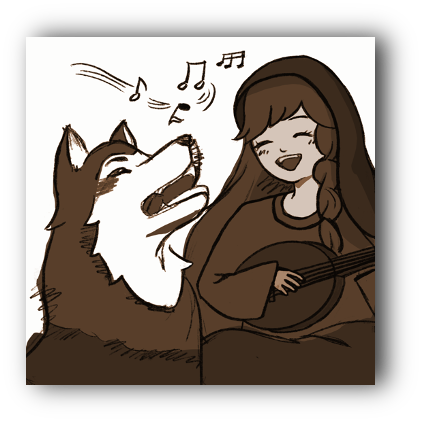
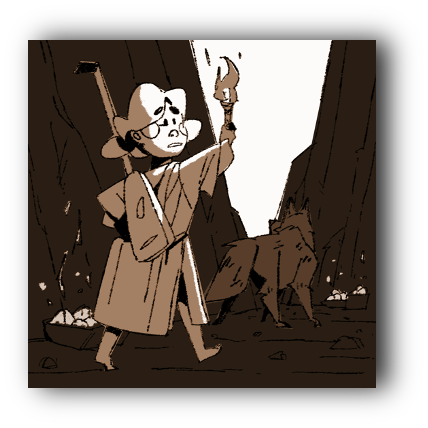
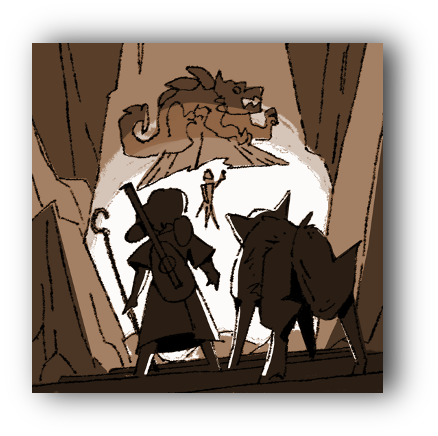
Playful Musical Experience (Music Flow Challenge)
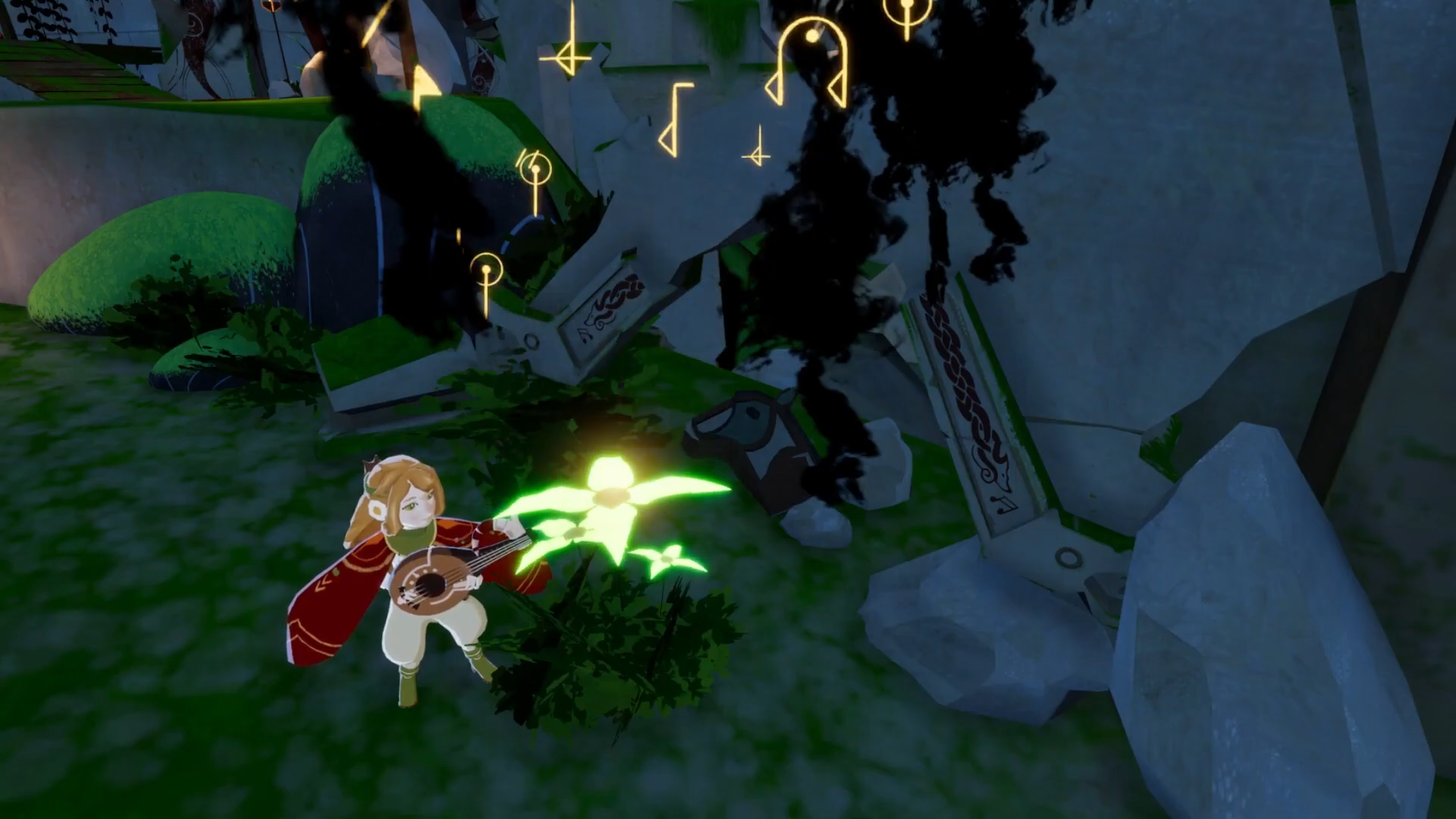
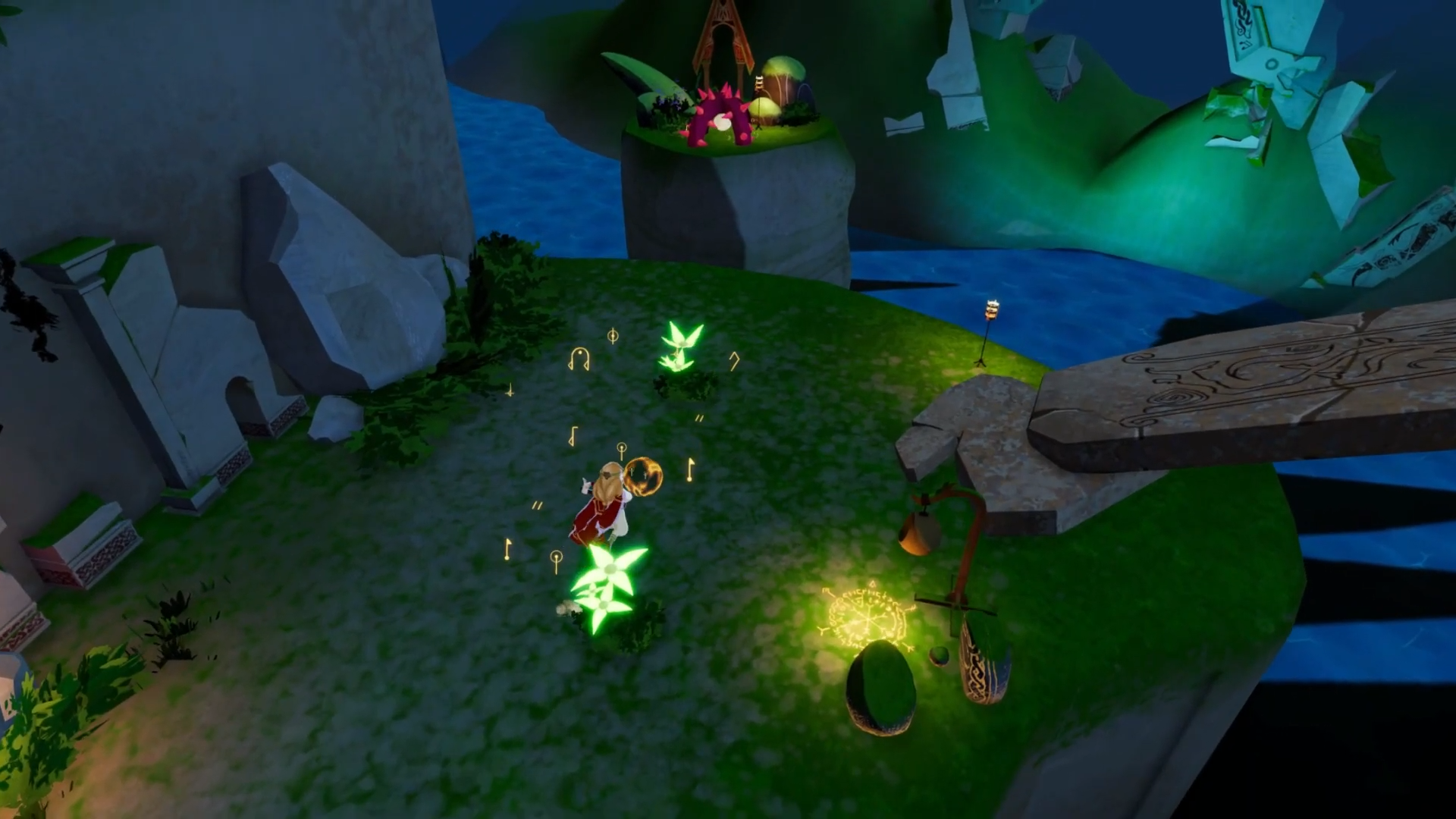
Rhythm is at the heart of the game. Players follow the beat of the music, coordinate their actions, and together solve music-driven puzzles.
Leverage Each Other’s Strengths (Platforming Puzzles)
The shepherd and wolf each possess distinct abilities. Players must deeply understand their characters’ traits and work in sync to clear platforming challenges.
Environmental Storytelling (Dialogue and Cutscenes)
The story unfolds through environmental details, character dialogue, and cutscenes, weaving gameplay and narrative into a cohesive experience.
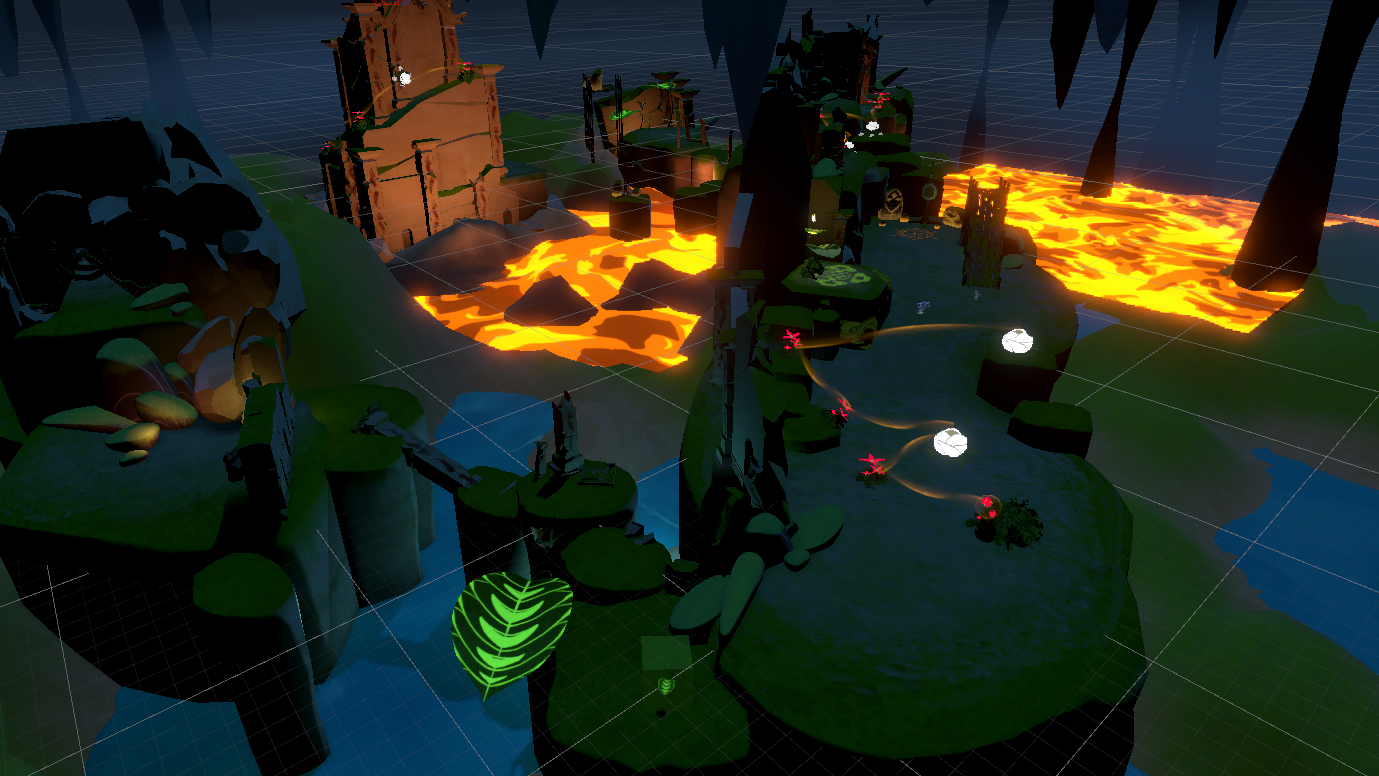
My Responsibilities
As Co-Producer of this USC Games MFA Thesis Project, I led a 28-member team to develop and ship the game on schedule over a 10-month cycle — covering agile workflow setup, milestone and schedule planning, scope and risk management, QA tracking, and meeting facilitation.
The team was organized into five groups — Design, Engineering, Art, QA, and Marketing — with Engineering and Design members doubling as QA, and the Audio team nested under Art but reporting directly to the Director.
Scrum-based Agile Development Environment Setup
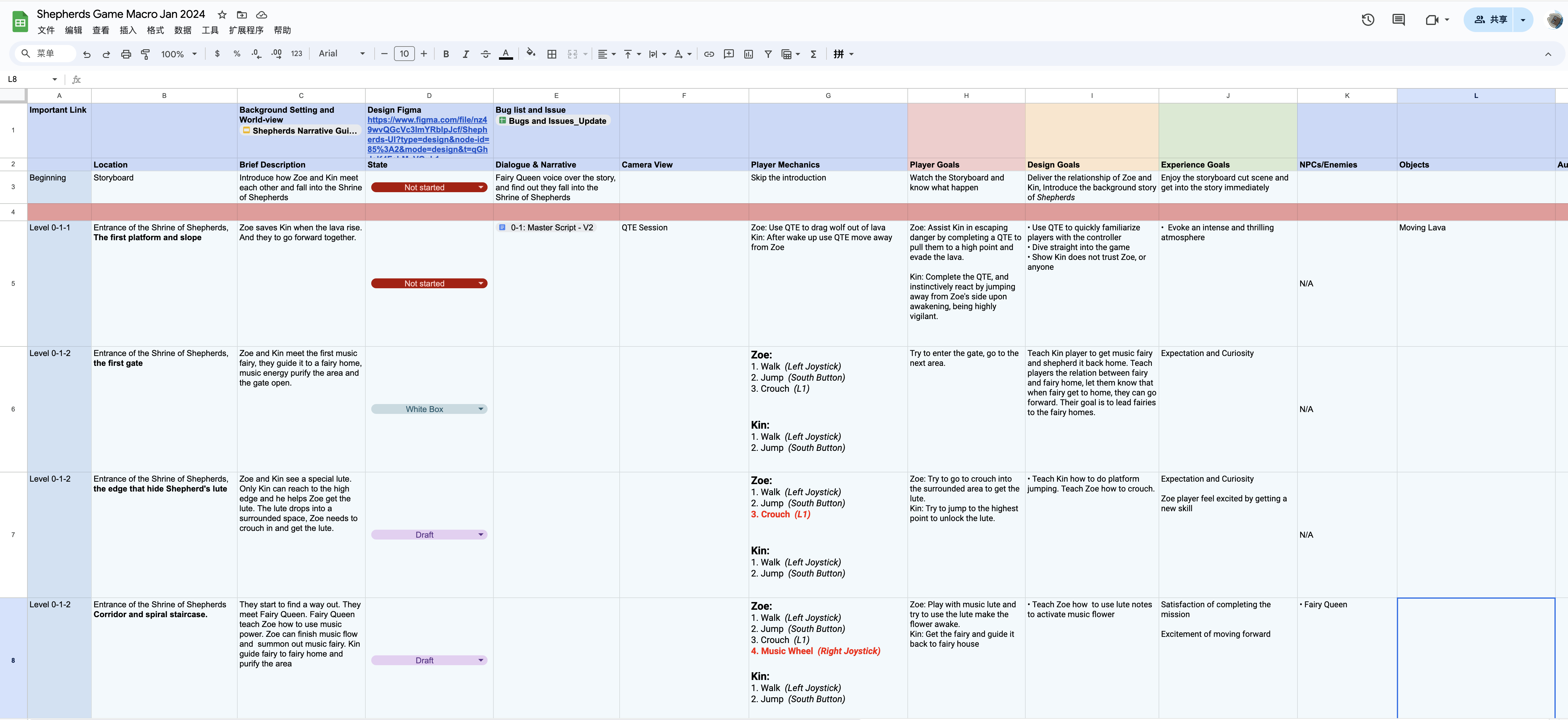
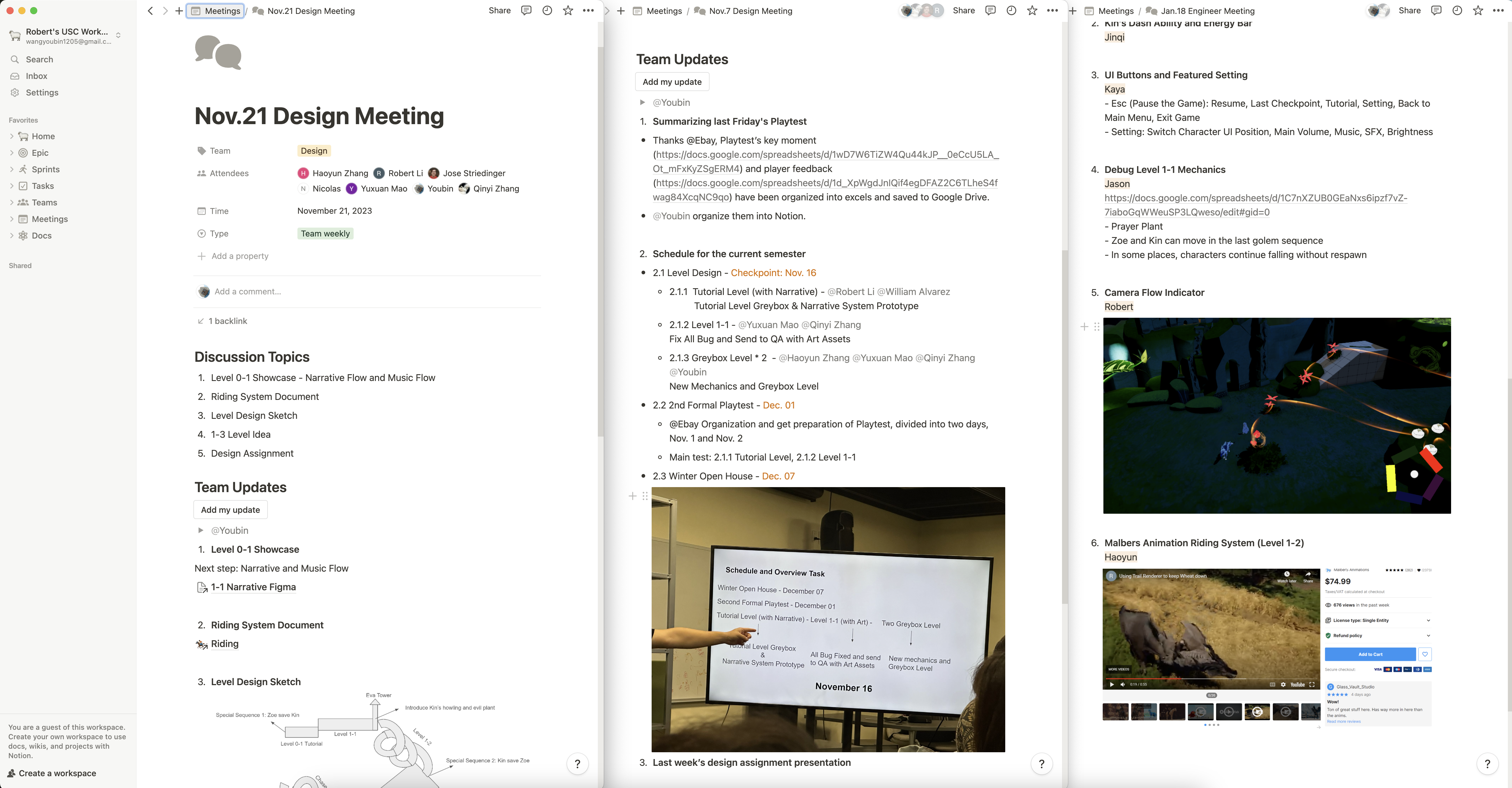
Initially, the project relied on Google Sheets for project management and task tracking. However, as the team expanded, the complex spreadsheets became cumbersome, making it difficult for members to locate their tasks and hindering progress synchronization.
I transitioned the team to a more agile development workspace, consolidating design and engineering documentation, schedules, and task management into Notion (with a brief trial of Jira). This made it easier for team members to access their tasks, requirements, and overall progress — and allowed me to manage the project’s progress and plan each Sprint’s content more visually.
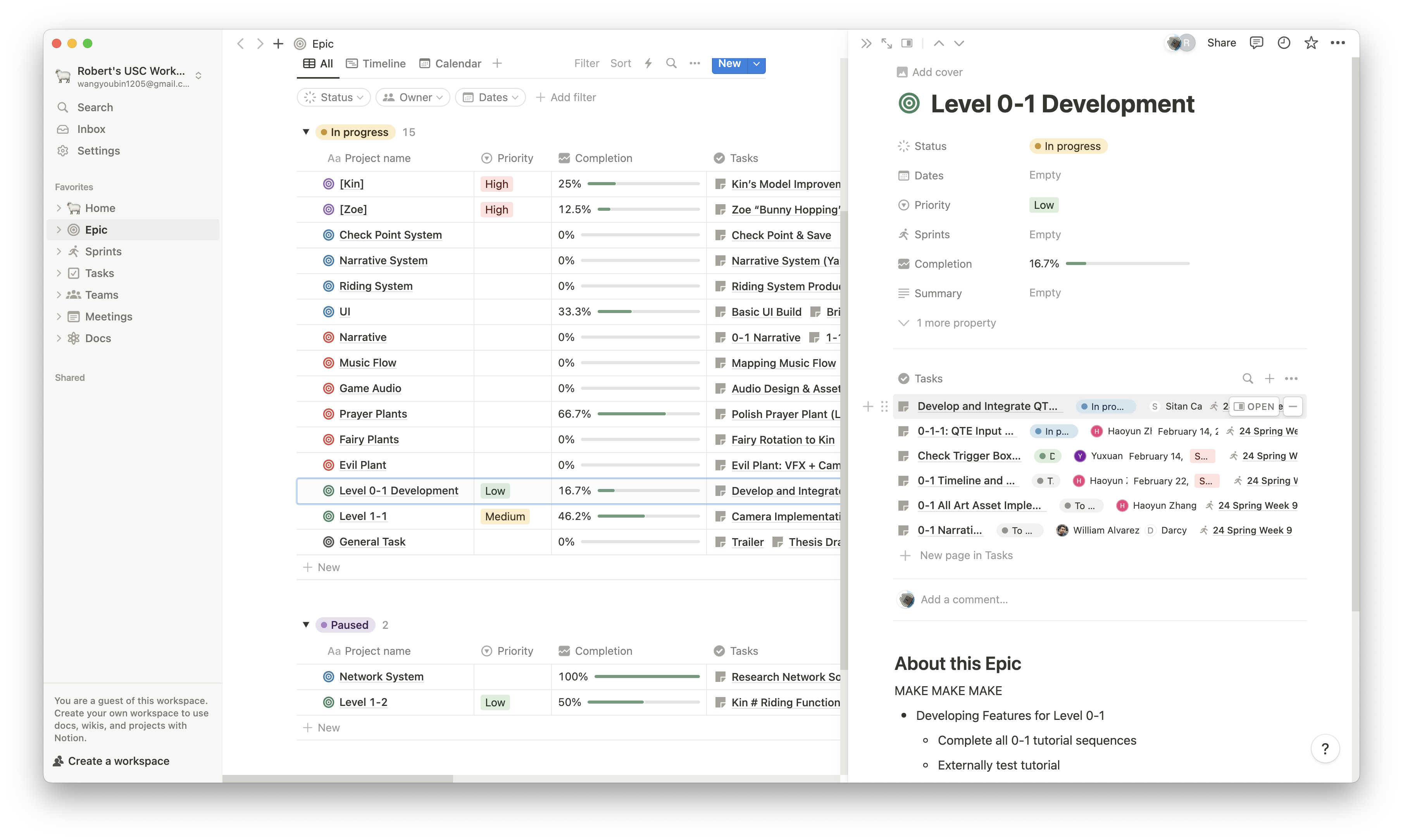
In the Epic section, I categorized all issues and assigned them corresponding colors: Level-related (Green), Character-related (Purple), System-related (Blue), Feature-related (Red), and General Requirements (Black).
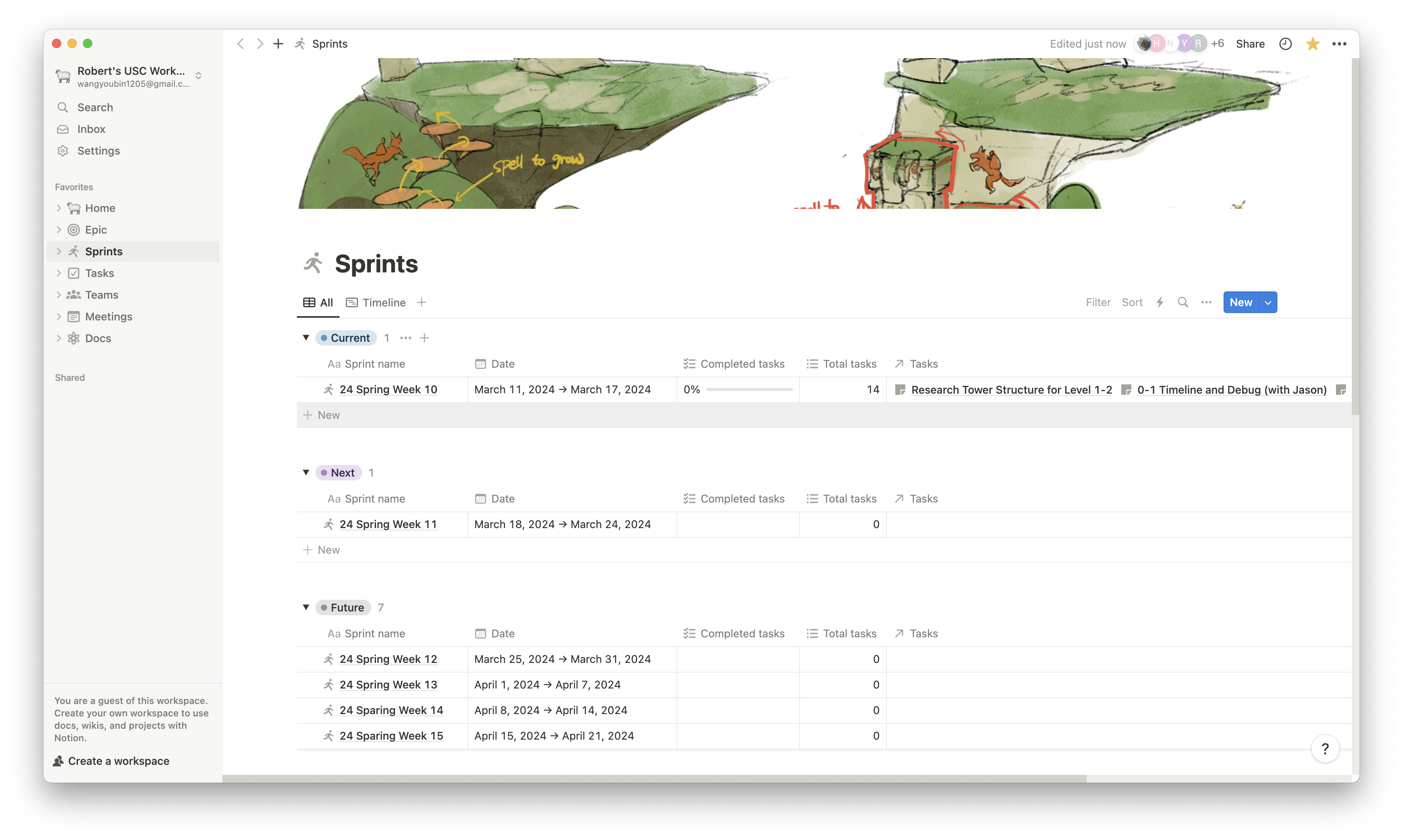
In the Sprint section, I set up automatic sprints on a weekly basis and established the full Sprint workflow. Tasks not completed during the week would trigger reminders and automatically roll over to the following week.
In the Task section, each task is divided into four stages: Not Started, In Progress, QA Review, and Done. Each task is associated with a corresponding Epic, Sprint, responsible team, assignee, urgency level, and due date — greatly facilitating cross-team communication and tracking.
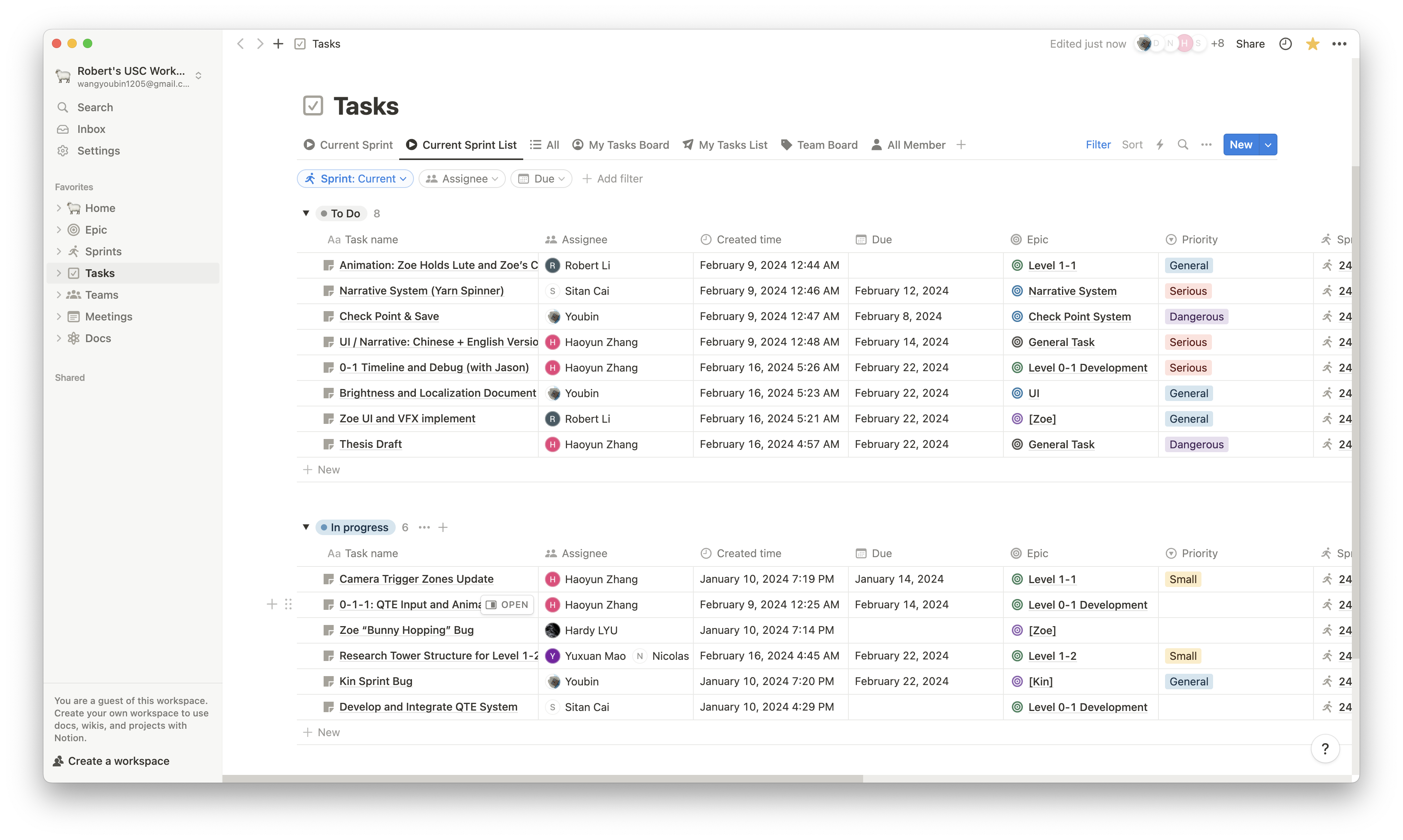
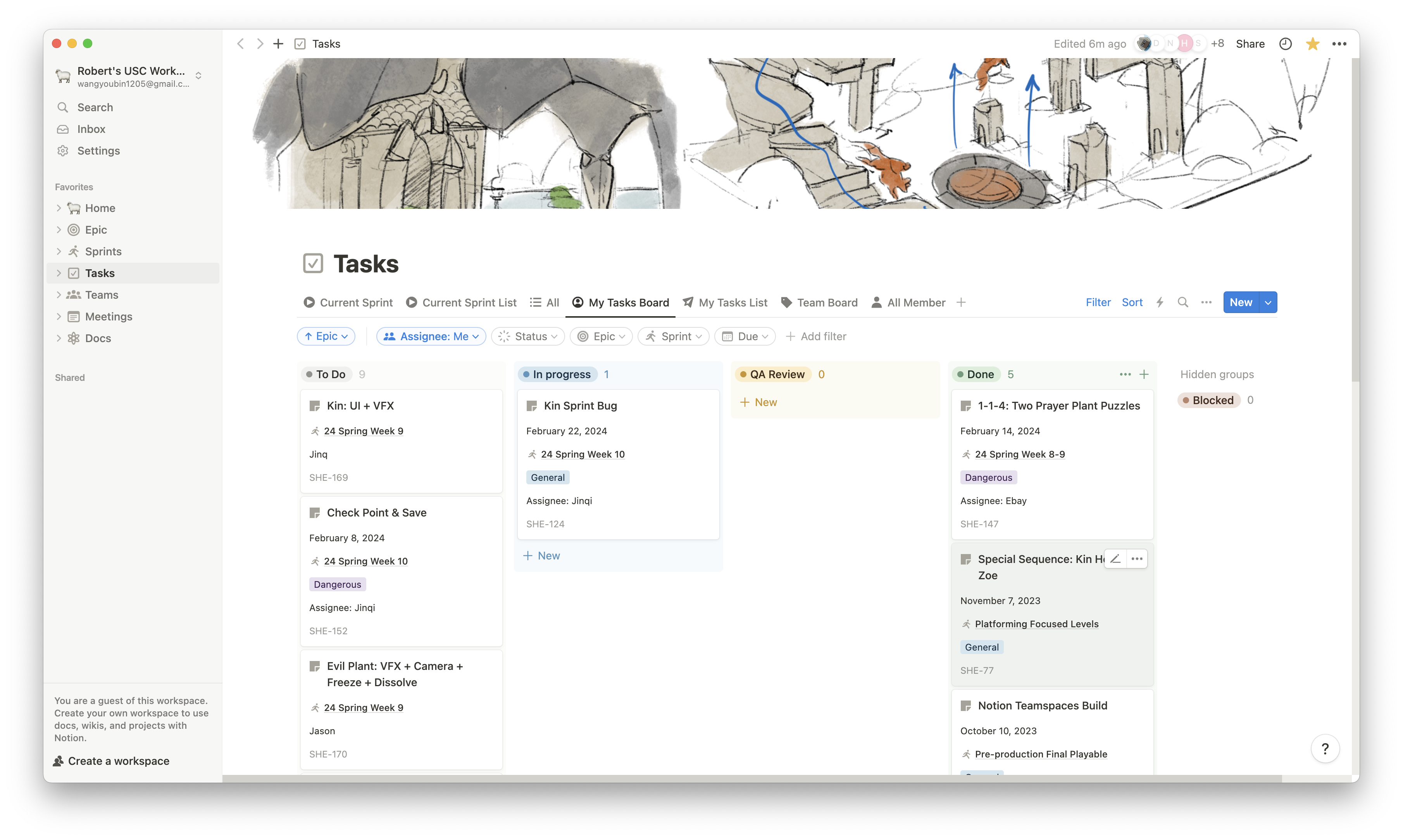
Everyone in the Workspace can see their tasks and corresponding sprint completion times, and can track tasks by group to view each team’s progress.
After the move to Notion, task discoverability and progress syncing improved markedly: with automatic syncing, every member proactively updated their own progress, delivery expectations, and potential risks, while I reviewed the boards regularly to drive follow-ups. Overall Sprint completion held steady at over 80%.
Milestones and Sprint Planning
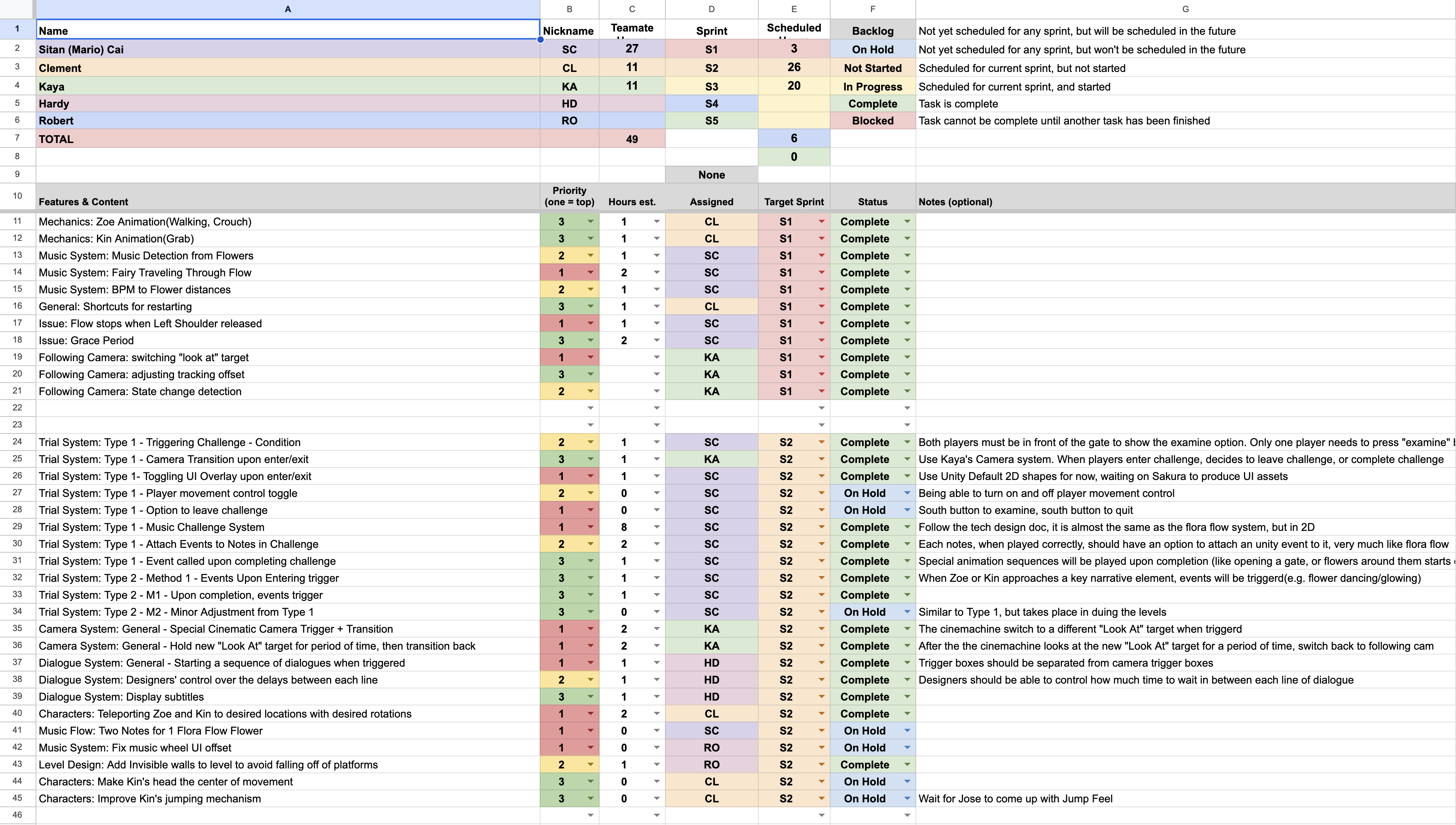
Together with the Game Producer, I combined the game’s macro vision and current progress to determine the project’s Milestones and broke tasks down into weekly Sprints.

Scope Trade-offs & Risk Management
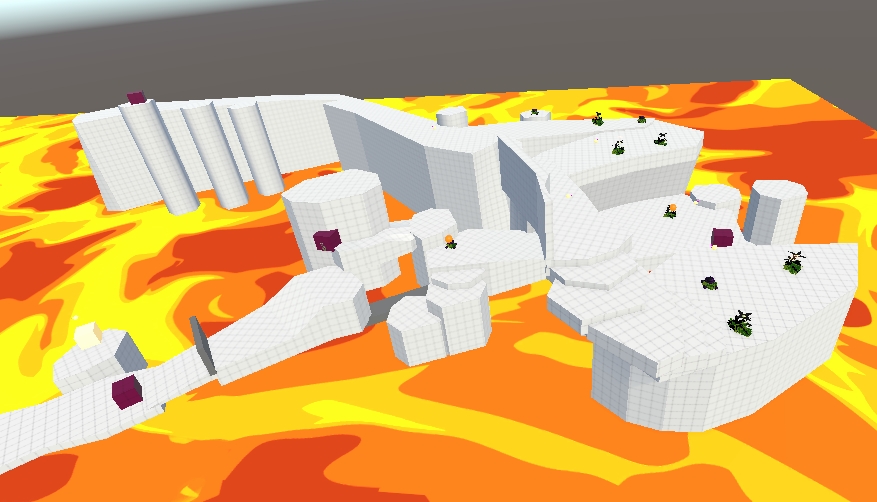
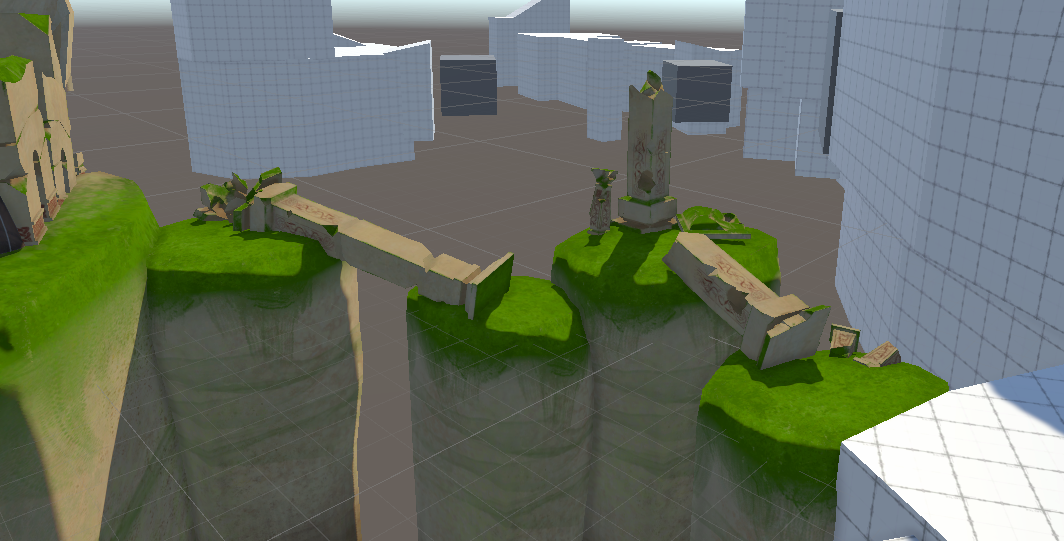
Midway through development, the project’s engineering complexity exceeded expectations — particularly optimizing the free-camera positioning when both players share a single camera. After assessing it with the Director, we concluded the mechanic was essential to the game’s sense of immersion and side-by-side cooperation, and had to stay. To protect it, we deliberately narrowed scope: trimming the final chapter and cutting a low-priority gameplay system module to concentrate resources on the core experience. I also worked with the level art team to inventory reusable assets, improving output efficiency on the level and art sides.
Since the team was made up entirely of students with widely varying weekly availability, I collected everyone’s schedule each week and built the work plan and task assignments around it — estimating the time each step would take and reserving a buffer for each person. Whenever someone was pulled away by an emergency, I reallocated work based on the remaining buffer and the priority of the tasks in hand, keeping the critical path unblocked.
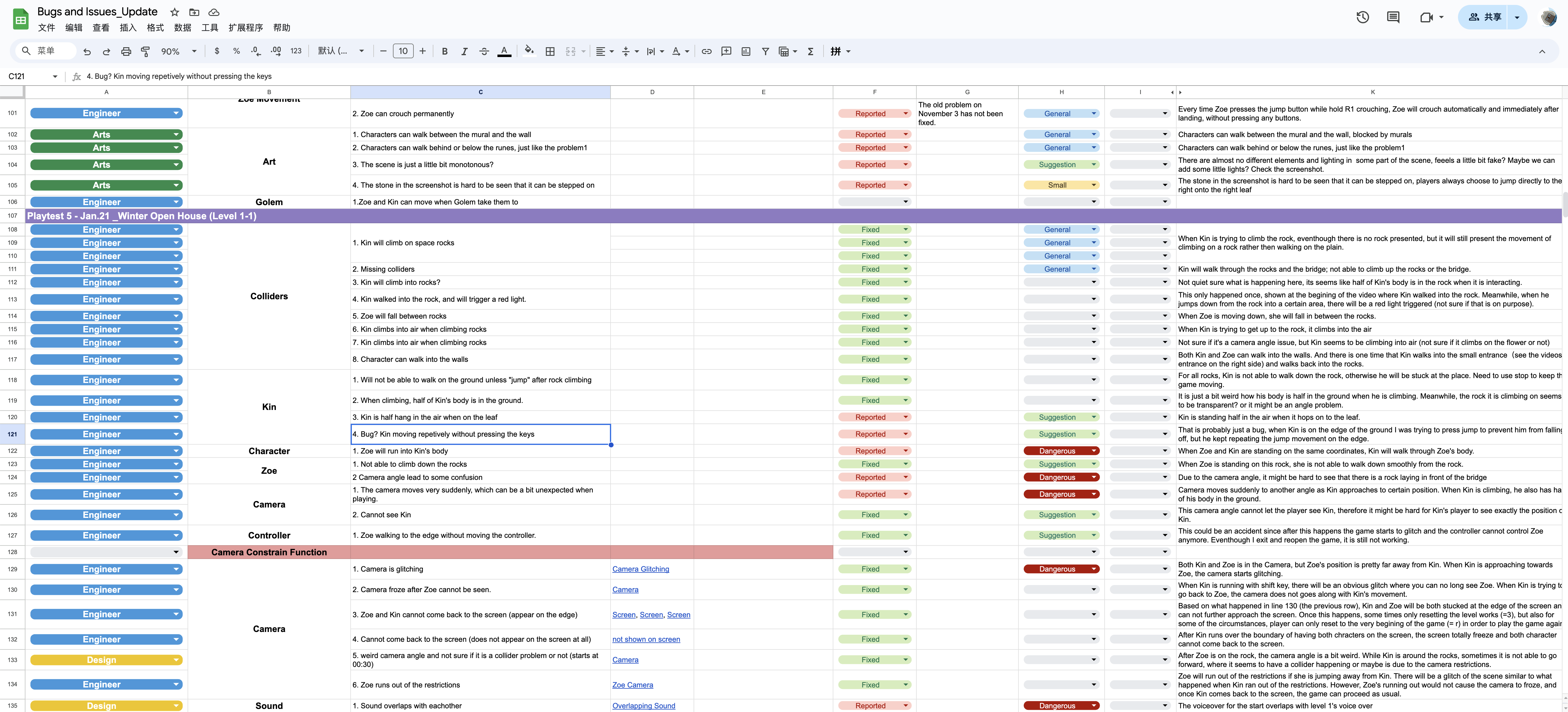
Playtest and QA Feedback Tracking
As game development progressed, we frequently organized playtests to identify issues within the game. We tailored our game builds around the specific aspects that required testing.
After testing concluded, I liaised with the QA team to document the issues encountered. These were then categorized and included in meeting discussions, or assigned to the relevant teams and members for resolution.
Hosting Meetings
During development, I hosted regular meetings for the Design and QA teams to drive decision-making and progress updates, locking in meeting times that worked for every group based on the weekly schedules I collected.
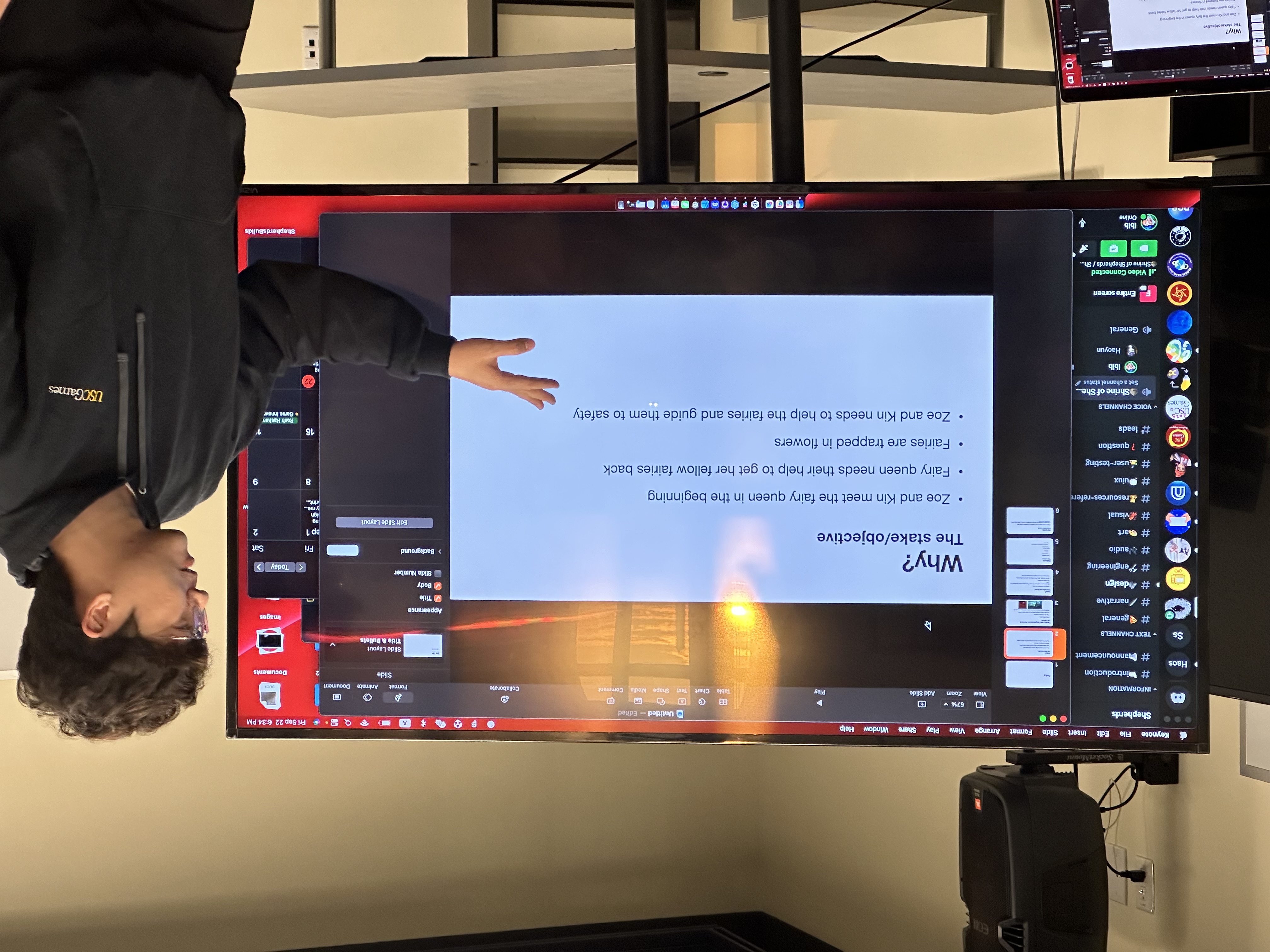
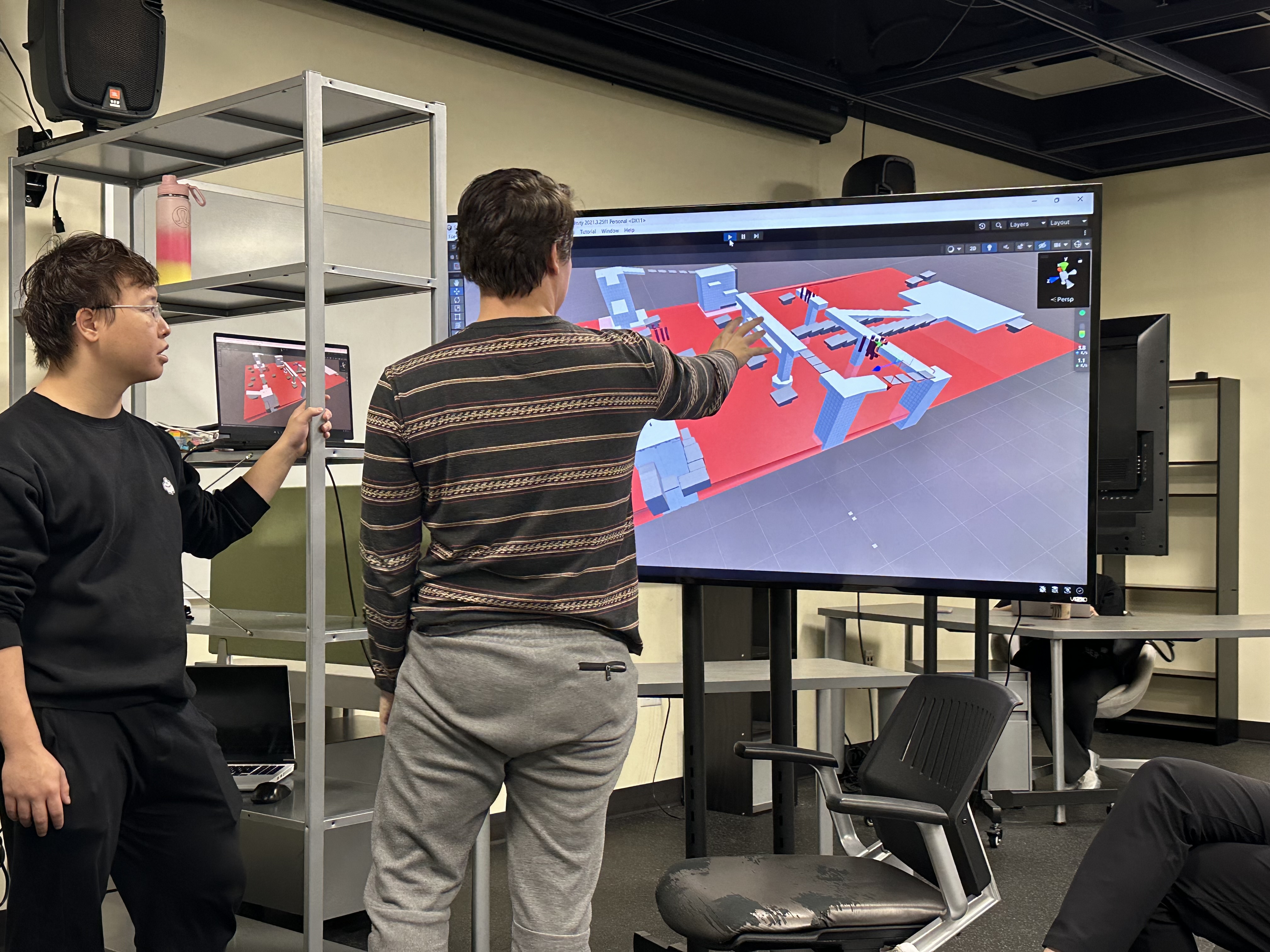
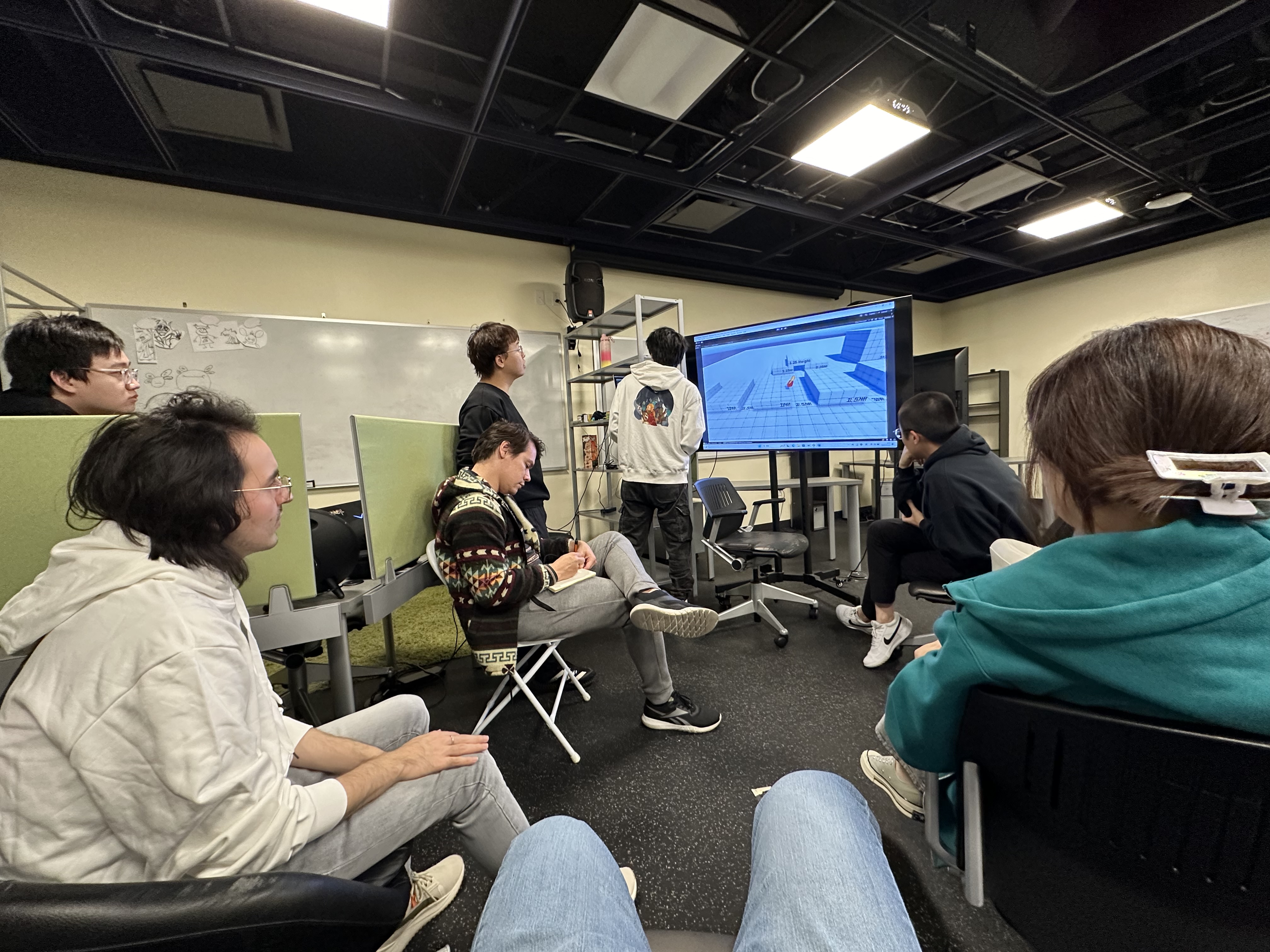
After each meeting, I organized the content discussed in Notion and, based on the feedback received, registered each member’s tasks in the Workspace.
Awards & Recognition
-
 Best Game — Gothamite Monthly Film Awards · Oct 2024
 -
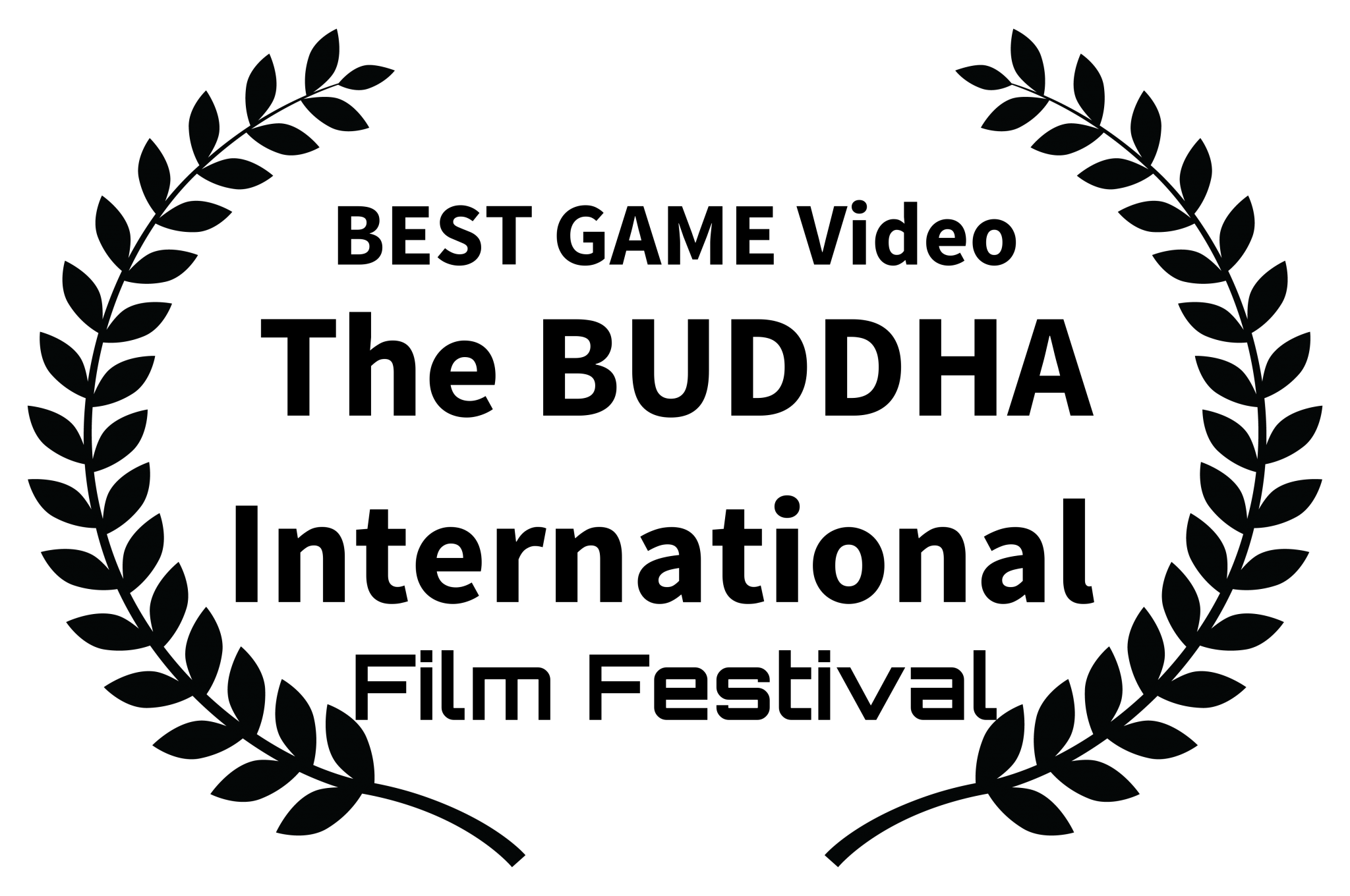 Best Game Video — BUDDHA International Film Festival · 2024
 -
 Winner — Birsamunda International Film Awards · 2024
 -
 Winner — Rameshwaram International Film Festival · 2024
 -
 Winner — Swedish International Film Festival · 2024
 -
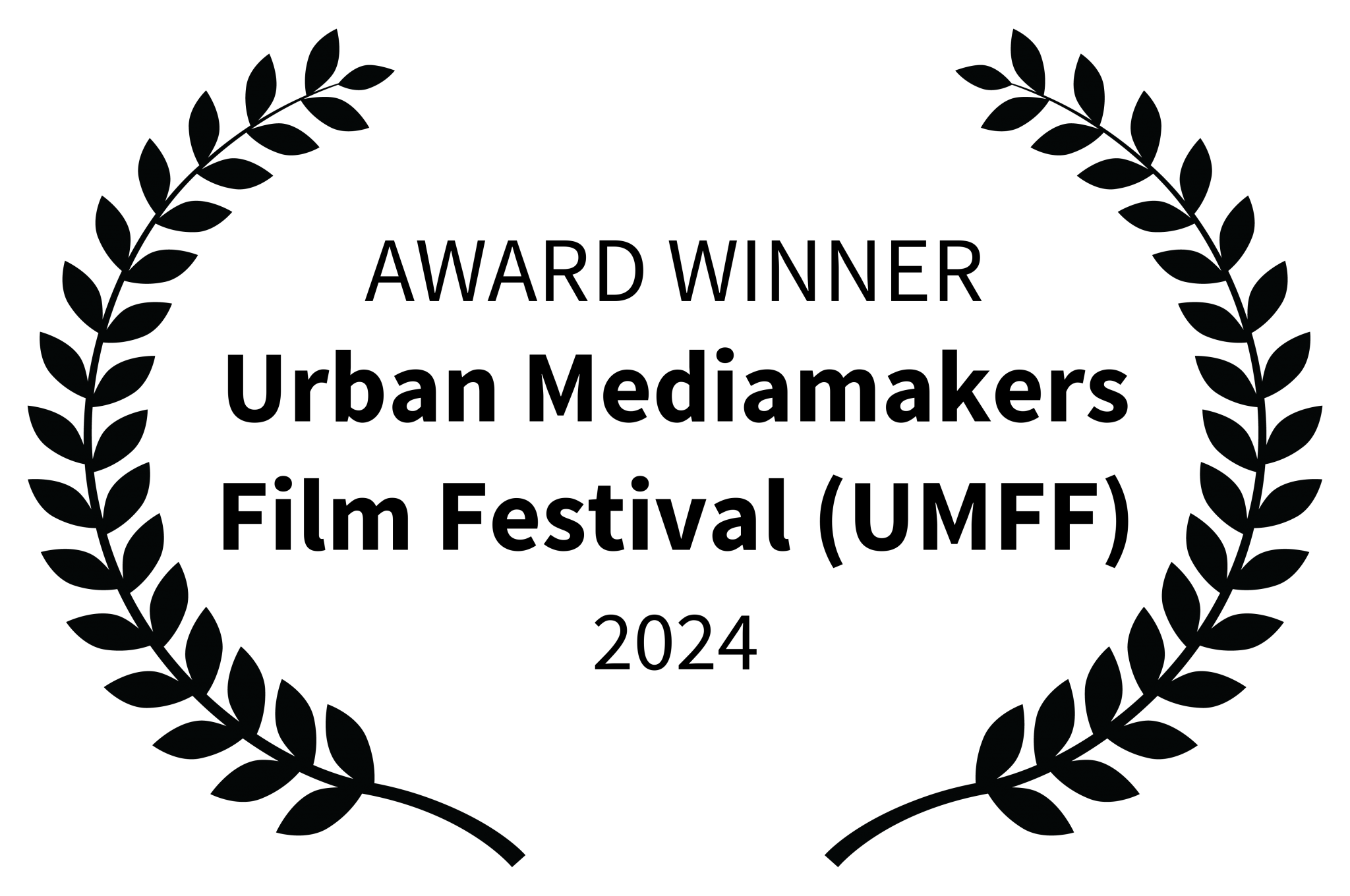 Award Winner — Urban Mediamakers Film Festival · 2024
 -
 Award Winner — Parai International Musical Awards · 2024
 -
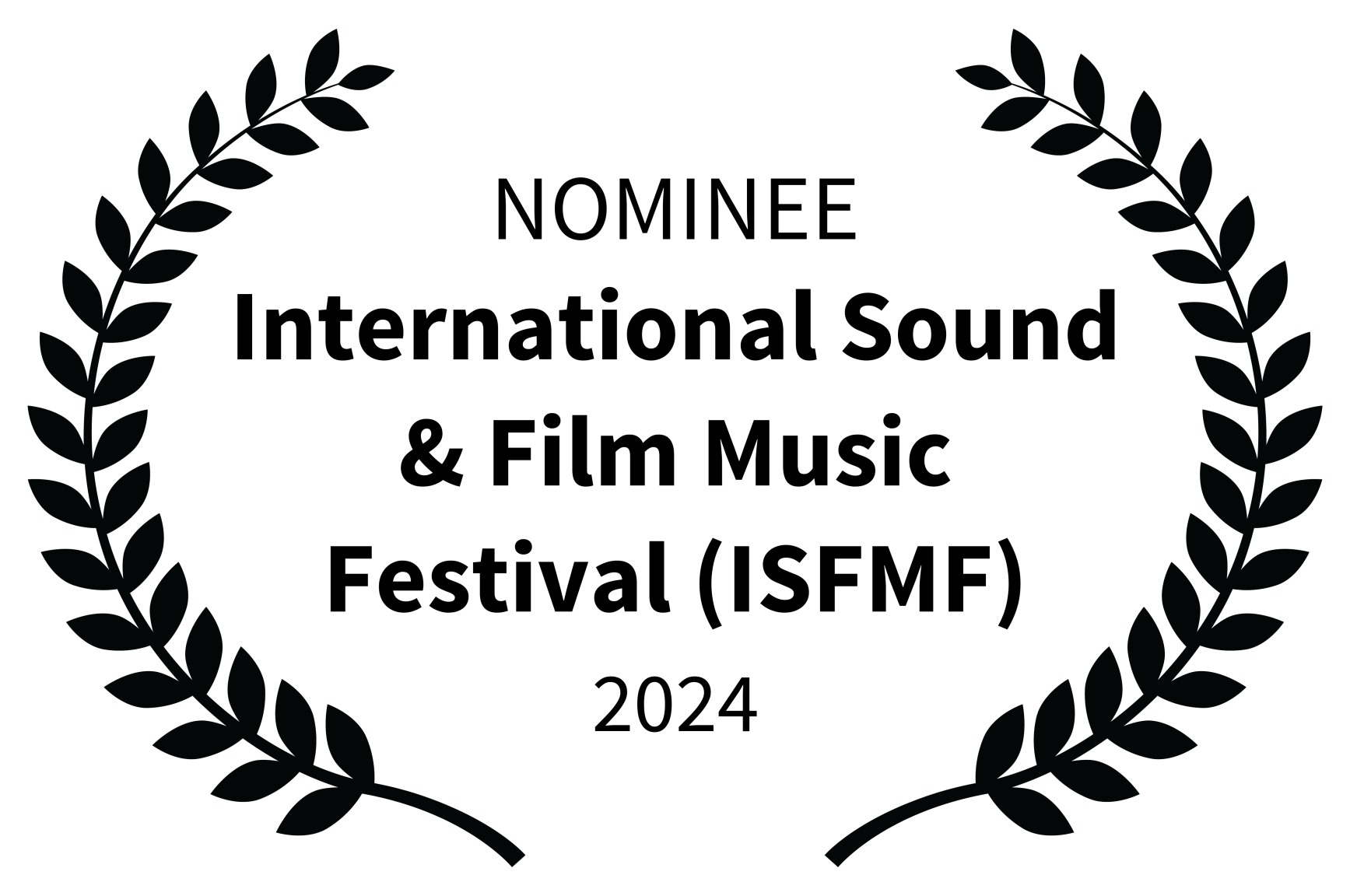 Nominee — International Sound & Film Music Festival · 2024
 -
 Finalist — QLD XR Festival · 2024
Playthrough
Gallery